(WNY News Now) – As winter approaches, prioritizing safety during travel and ensuring heating precautions is essential. Here are key tips to navigate the upcoming winter and snowstorm season responsibly.
In anticipation of winter storms, safe driving practices are paramount. The first and foremost advice is to avoid driving unless absolutely necessary. For those who must travel, equipping your vehicle with survival gear is crucial. This includes blankets, a shovel, flashlight with extra batteries, warm clothing, tire chains, battery booster cables, quick energy foods, and a brightly colored cloth for distress signaling.
Ensuring communication tools are available, such as a charged cell phone or two-way radio, is imperative. In case of being stranded, these devices become a lifeline to call for help and provide rescuers with accurate location information.
The leading cause of injuries and fatalities during winter storms is transportation accidents. Clearing your vehicle of ice and snow before driving is essential for good visibility. Planning stops, maintaining a safe distance between cars, and adjusting speed according to road and weather conditions are additional precautions. Snowdrifts, especially, can obscure smaller children, demanding extra vigilance from drivers.
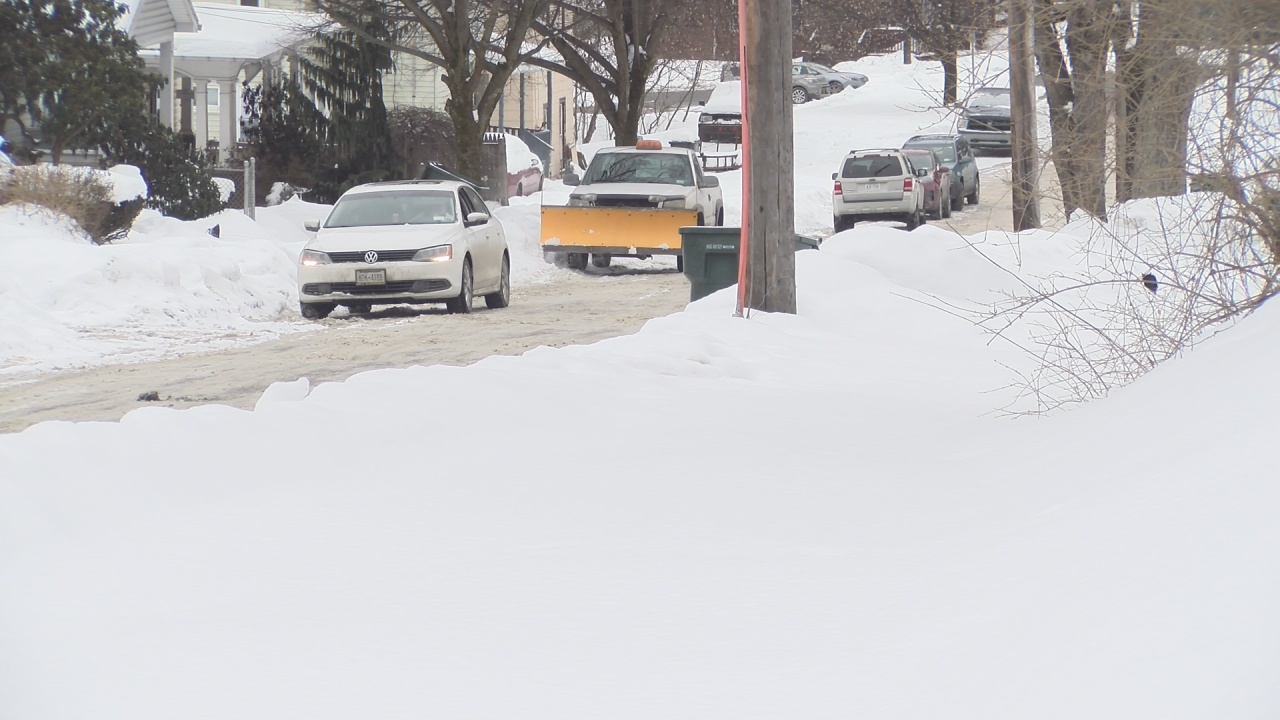
Understanding snowplow dynamics is crucial for motorists. These vehicles travel at speeds up to 35 mph, often below posted limits, to ensure salt is effectively dispersed. Snowplows on interstate highways may operate side by side for efficiency. Motorists should keep a safe distance, considering the limited visibility and maneuverability of snowplows. Passing or following too closely is hazardous, and the safest position is well behind the plow where the road is clear and salted.
Heating Safety Tips:
When it comes to alternative heating sources, safety is paramount. Whether using a fireplace, well-vented wood or coal stove, or portable space heaters, following proper guidelines is crucial. Adequate ventilation, keeping flammable objects away, and adhering to manufacturer’s instructions are essential precautions.
For those using kerosene heaters, specific safety measures must be observed. This includes using the correct fuel, refueling outdoors when the unit is cool, maintaining a safe distance from flammable objects, and employing fire safeguards while ensuring proper ventilation.
As winter sets in, incorporating these safety measures into daily practices ensures a secure and prepared approach to the challenges presented by the upcoming winter and snowstorm season.




Leave a Reply