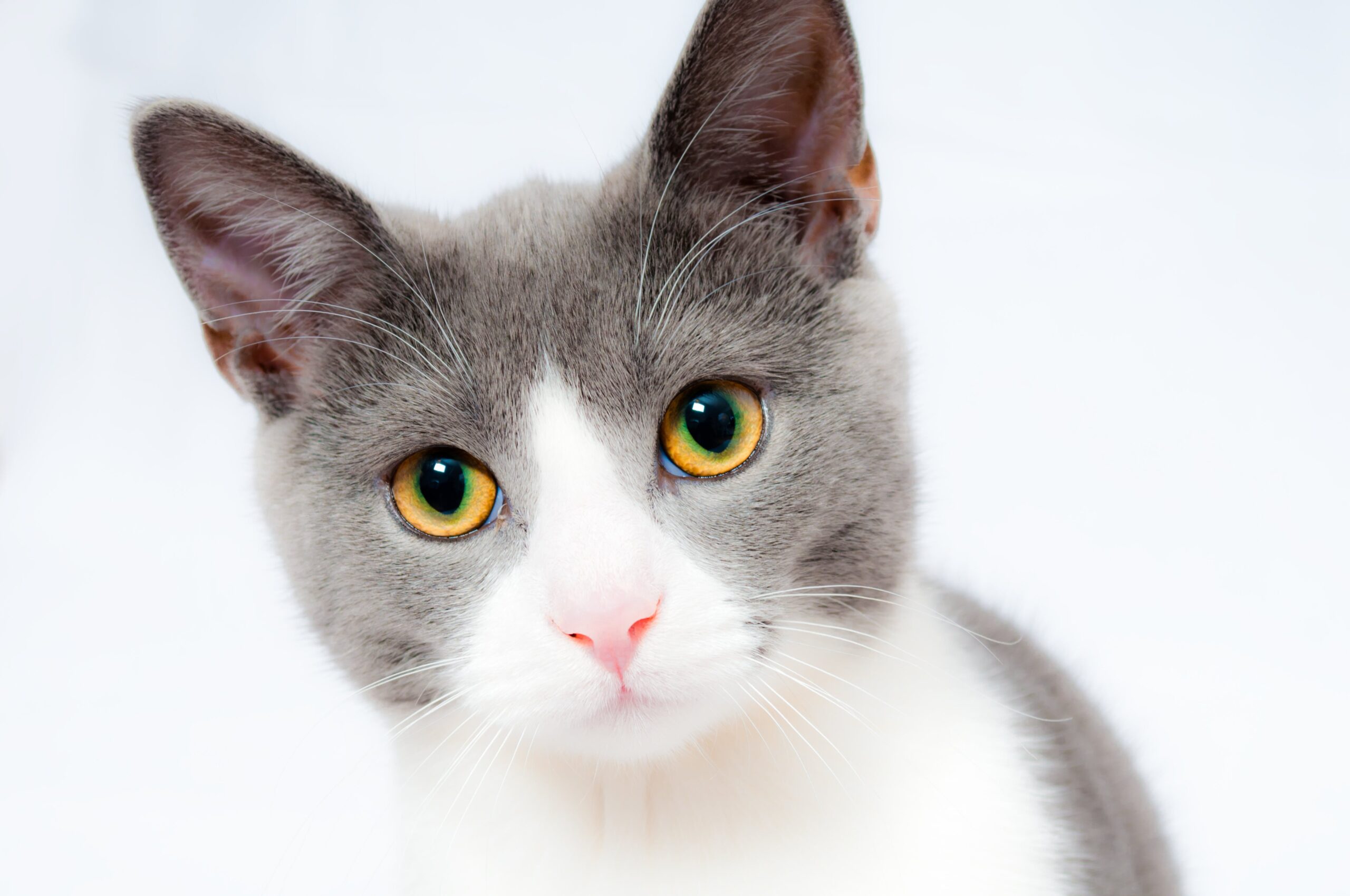
The U.S. Department of Housing and Urban Development (HUD) recently charged Ronit and Voyl “Tom” Mecham — owners of a two-unit rental property in Jamestown, New York — with violating the Fair Housing Act by rejecting a tenant’s requests to keep an emotional support cat in the rental. The Fair Housing Act prohibits discrimination in housing on the basis of disability, and landlords are therefore required to make reasonable accommodations for individuals with disabilities. Exceptions to “no-pet” policies to allow for the keeping of assistance animals, including emotional support animals, count as reasonable accommodations, ultimately ensuring people with disabilities have equal access to housing and are free to enjoy an inclusive and accommodating living environment.
Discrimination and distress: a tenant’s struggle for an emotional support cat
In November 2021, the Mecham’s tenant — who remains anonymous in the complaint — asked to be permitted to keep an emotional support cat as part of their treatment plan for undisclosed mental health issues. The tenant was also willing to issue a doctor’s note to support their request. In response, Tom Mecham said no pets are allowed, but the tenant would be able to exit the lease early if desired. Although the tenant then made several further attempts to secure an exception to the “no pets” policy, they received no response from the Mecham’s. Finally, in May 2022, the tenant decided just to go ahead and get an emotional support cat. When the tenant then started moving out in August 2022, the Mecham’s discovered the presence of the cat during the move-out inspection. Ronit Mecham told the tenant they should have been upfront about their mental health challenges prior to the move-in, and should have sought alternative housing if they intended to have a cat, according to the complaint.
Fair Housing Act: protecting individuals with disabilities
In the complaint, the tenant reports experiencing “emotional and physical distress” due to the Meecham’s “discriminatory conduct” — which, for the HUD, is considered to be illegal disability discrimination under the Fair Housing Act. Indeed, the Fair Housing Act prohibits discrimination against people with disabilities (or against those who may be associated with people with disabilities). Landlords are therefore legally required to make reasonable accommodations to their properties as needed, so people with disabilities have an equal opportunity to use and enjoy their housing. In particular, providing exceptions to “not pet” policies to allow emotional support or assistance animals is also considered a reasonable accommodation. Moreover, the Fair Housing Act also makes it illegal for landlords to make comments suggesting a preference for or against a tenant based on disability. “Assistance animals provide people with disabilities the support they need to enjoy the benefits of their housing,” Demetria L. McCain, HUD’s principal assistant deputy secretary for fair housing and equal opportunity, announced in a press release. “HUD is committed to zealously enforcing the Act to protect the rights of individuals with disabilities.”
Similarly, accessible public and private parking is also mandated to promote inclusivity and accessibility for individuals with disabilities. Under the Americans with Disabilities Act (ADA), accessible parking spaces must include designated dimensions, proper signage, and proximity to building entrances, allowing people with disabilities and mobility issues to access public facilities with ease.
Potential for significant financial compensation
HUD’s complaint prompts the Mechams to take action to “remedy the effects of [their] illegal, discriminatory conduct.” Financial compensation is also sought to redress the harm incurred by the tenant as a result of them being denied the opportunity to have an emotional support cat. And, this financial compensation may end up being pretty high. Just look at the 2021 New Hampshire case as an example in which a landlord agreed to pay $35,000 to settle a federal suit over an emotional support dog. The landlord had denied the tenant’s request to keep an emotional support animal in the premises, therefore violating the Fair Housing Act.
As for next steps in the Jamestown case, a HUD administrative law judge will hear the case. If discrimination is found to have occurred, damages may be awarded to the tenant as a result.




Leave a Reply