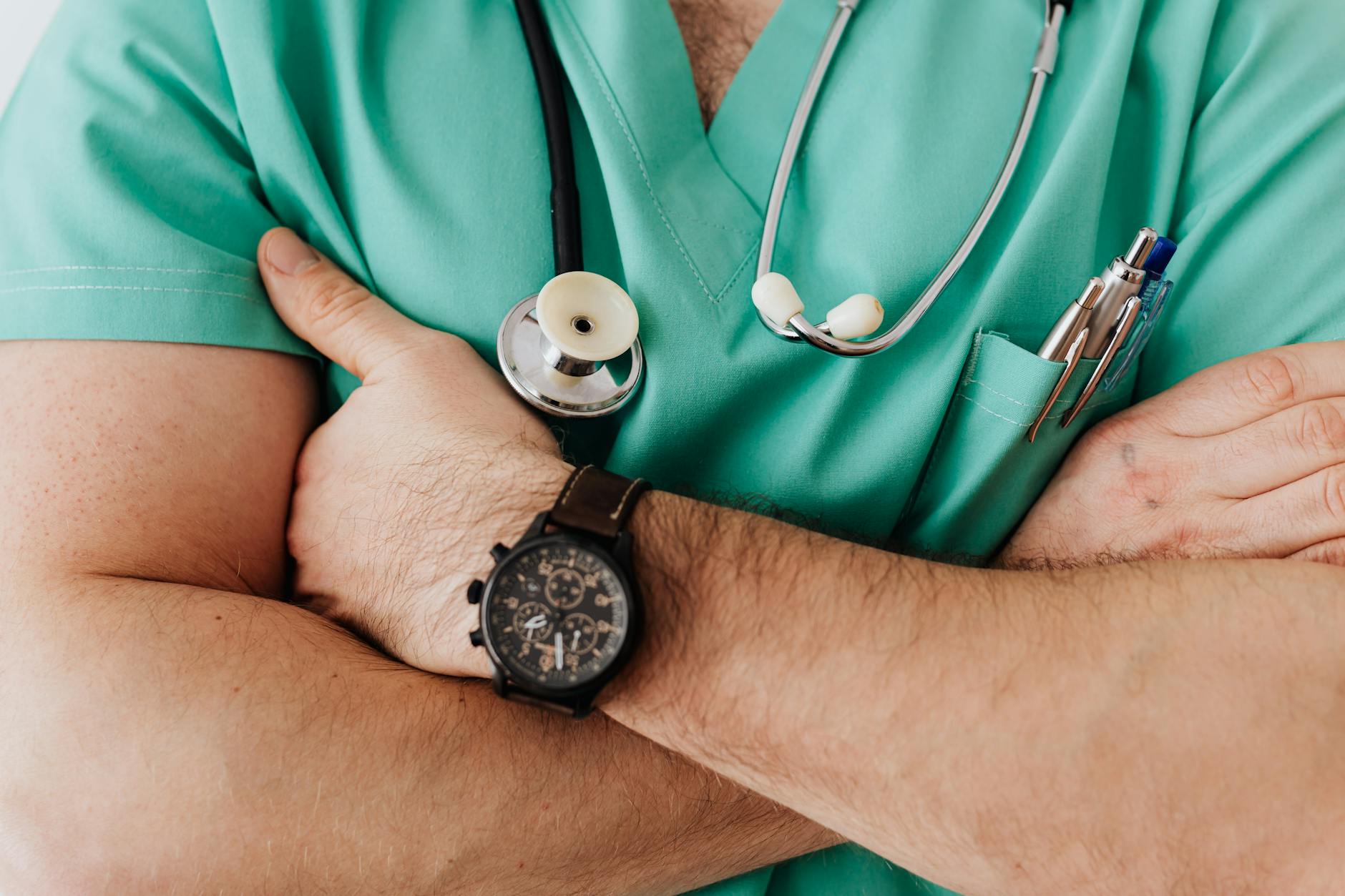
Dermatology has emerged as a critical branch of medicine, addressing conditions ranging from chronic illnesses like eczema to life-threatening diseases such as melanoma. As the population ages and skin cancer rates rise, the need for specialized dermatological care continues to grow. This heightened demand places considerable pressure on dermatologists, leading to an increasing reliance on Physician Assistants (PAs) to bridge the gap in patient care. Specialized PAs have become integral, enabling practices to manage higher patient volumes while maintaining quality care.
The role of PAs in dermatology has evolved significantly over the past decade. Once limited to routine administrative tasks or basic patient care, PAs are now entrusted with diagnosing, managing, and treating complex dermatological conditions. With advanced training, they can perform intricate procedures such as biopsies, laser treatments, and cosmetic injections. This expanded scope highlights the pressing need for more professionals with targeted expertise in dermatology.
At the heart of this demand is the healthcare system’s shift toward team-based care. Dermatologists and PAs collaborate seamlessly to deliver comprehensive treatment, leveraging each professional’s strengths. PAs bring efficiency and a patient-centered focus, addressing routine concerns and freeing up dermatologists to concentrate on more complex cases. This synergy not only enhances patient satisfaction but also promotes better health outcomes overall.
The Value of Specialization
Unlike general PAs, those specializing in dermatology require a deeper understanding of the skin’s intricate systems. Skin is not only the body’s largest organ but also a diagnostic window into systemic health issues. For a PA to effectively contribute, they must be well-versed in dermatoscopic techniques, surgical interventions, and advanced therapies. Specialization ensures they can independently manage many cases while confidently collaborating with dermatologists on more intricate problems.
Training programs and fellowships tailored to dermatology have gained traction, catering to this growing need for specialization. These programs provide comprehensive education on identifying skin cancers, treating autoimmune disorders, and mastering cosmetic dermatology techniques. This level of expertise is vital for managing increasingly complex patient needs in modern dermatology clinics.
The journey to specialization, however, is not without its hurdles. Aspiring PAs must navigate a rigorous path, balancing the demands of advanced education, clinical rotations, and certification requirements. This process calls for a clear understanding of the qualifications needed and the practical experiences that will shape their expertise. With dedication and focus, these steps form the foundation for a successful career in the challenging yet rewarding field of dermatology.
Meeting the Needs of a Growing Patient Base
The surge in dermatological conditions in the general population has outpaced the growth of available practitioners. Conditions such as psoriasis, rosacea, and acne require consistent management, which strains dermatology clinics. Adding to the complexity, cosmetic dermatology has become increasingly popular, with patients seeking minimally invasive procedures for aesthetic enhancement.
Physician Assistants specializing in dermatology alleviate this burden by addressing both medical and cosmetic concerns. Their ability to conduct comprehensive evaluations and administer treatments allows practices to serve a diverse patient base effectively. This dual capability ensures clinics can meet the needs of patients seeking solutions for conditions affecting both health and appearance.
The role of technology has also expanded PAs’ capabilities. Tools like teledermatology allow PAs to manage follow-ups and triage patients remotely, increasing access to care. These technological advancements, combined with specialized expertise, make PAs indispensable in modern dermatological practice.
Economic and Systemic Impacts
From a systemic perspective, employing specialized PAs is a cost-effective solution for addressing the dermatologist shortage. Practices can reduce patient wait times and enhance service delivery without overburdening existing staff. This model has proven particularly beneficial in underserved areas where dermatologists are scarce, as PAs can provide high-quality care under remote supervision.
For patients, the economic benefits are clear. With PAs managing routine care, consultations become more affordable and accessible. Insurance companies are increasingly recognizing the value of PAs, expanding reimbursement policies to include their services in dermatological care. This shift underscores the trust in PAs’ capabilities within the healthcare ecosystem.
Healthcare organizations also benefit from the flexibility PAs bring. Their ability to handle both medical and cosmetic cases diversifies the clinic’s revenue streams. Whether treating a chronic rash or administering Botox, PAs contribute significantly to a clinic’s operational and financial sustainability.
Challenges and Opportunities for Dermatology PAs
Despite their growing importance, Dermatology PAs face unique challenges. Regulatory frameworks governing their scope of practice vary widely between states, creating inconsistencies in their roles. PAs must stay informed about these regulations to ensure compliance while maximizing their impact in patient care.
Another challenge lies in professional development. While specialized training programs exist, access to these opportunities is uneven. Some regions lack structured pathways for PAs to gain the necessary expertise in dermatology. Addressing this gap requires collaboration between educational institutions, professional organizations, and healthcare providers.
Nevertheless, the future is bright for PAs in dermatology. Innovations in treatment modalities, such as biologics and advanced laser therapies, continue to push the boundaries of what PAs can achieve. As they embrace these advancements, PAs will remain at the forefront of delivering high-quality, patient-centered care in dermatology.
Looking Ahead: The Future of Dermatology PAs
The increasing reliance on Dermatology PAs is not just a trend—it represents a fundamental shift in healthcare delivery. As the demand for dermatological care grows, so too will the need for highly trained PAs capable of addressing both medical and aesthetic concerns. Their role will expand further as practices adopt more advanced technologies and innovative treatment options.
Education and training will remain pivotal in shaping this future. Aspiring PAs must pursue rigorous academic programs and seek opportunities for hands-on experience to excel in this competitive field. Continued advocacy for standardized regulations and expanded access to specialized training will also be crucial in supporting the profession’s growth.
Ultimately, the rise of Dermatology PAs signifies a broader transformation in healthcare. By blending technical expertise with compassionate care, these professionals are poised to redefine patient experiences and outcomes, ensuring dermatological health remains a cornerstone of overall well-being.
Finally, the growing demand for specialized Physician Assistants in dermatology highlights their critical role in bridging the gap between patient needs and the availability of dermatological care. With advanced training, technical expertise, and a patient-centered approach, Dermatology PAs are redefining the standards of treatment in a rapidly evolving field. Their ability to manage complex medical cases, perform cosmetic procedures, and adapt to technological advancements ensures they remain indispensable contributors to healthcare systems worldwide. As the profession continues to expand, their impact on both patient outcomes and the overall efficiency of dermatological practices will undoubtedly shape the future of dermatological care.



Leave a Reply