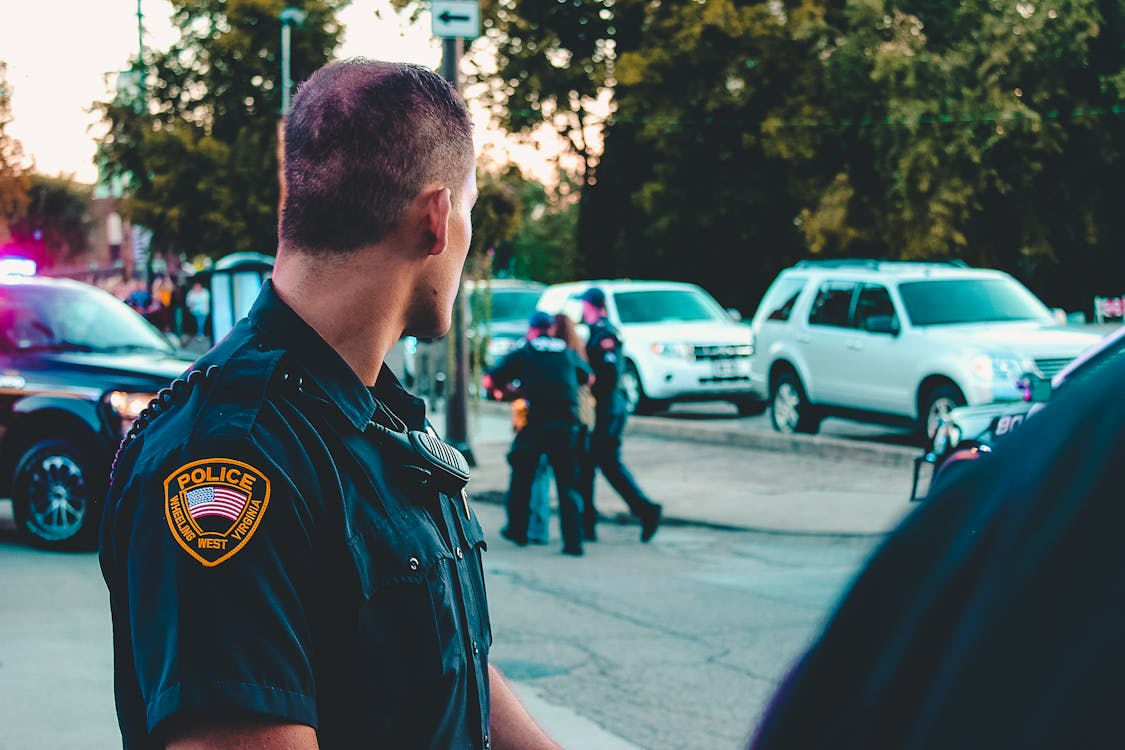
Police brutality refers to the excessive and unjustified use of force by law enforcement officers. It encompasses physical violence, verbal abuse, intimidation, and even lethal force when it is unwarranted. This issue impacts communities globally, particularly marginalized groups, and has ignited protests, lawsuits, and policy reforms. To understand police brutality and its underlying causes, one must examine the root factors that perpetuate it and the systemic failures that allow officers to apply excessive force without facing consequences.

What Can Be Done to Address Police Brutality?
One solution is increasing accountability through independent investigations and stronger civilian oversight. Officers who engage in misconduct must face real consequences, not just administrative leave or reassignment. Ending qualified immunity, which protects officers from lawsuits in many cases, would also make it easier to hold them accountable. Departments must prioritize de-escalation training, focusing on communication and nonviolent conflict resolution rather than force. When it comes to this action, a pittsburg police brutality lawyer can recover all available evidence to support your claim and strengthen your case. Communities should push for policies that reduce unnecessary police interactions, such as ending racial profiling and stop-and-frisk practices.
The Definition and Forms of Police Brutality
Police brutality is not just about physical aggression – it includes any excessive force that goes beyond what is necessary to handle a situation. This can be physical violence, such as beatings, chokeholds, or unnecessary use of tasers and firearms. It also includes psychological abuse, like threats, racial profiling, and degrading treatment of individuals. Some cases involve officers misusing their authority to unlawfully detain or harass civilians. The abuse of power can take many forms, but the core issue remains the same – violence and oppression disguised as law enforcement. When officers cross the line between maintaining order and violating human rights, they contribute to the larger problem of police misconduct.
Systemic Racism and Targeted Violence
Minority communities, particularly Black and Latino populations, experience higher rates of police violence compared to white individuals. Racial profiling and discriminatory policies allow officers to view certain groups as more dangerous, leading to more frequent and aggressive encounters. This isn’t just about individual racist officers – it’s about a system that historically devalues the lives of marginalized people. Policies like stop-and-frisk and broken-windows policing disproportionately impact minority communities, reinforcing the cycle of violence and mistrust. If law enforcement continues to treat certain groups as threats rather than citizens, police brutality will remain a widespread issue.
Lack of Accountability and the “Blue Wall of Silence”
One major reason police brutality persists is the lack of accountability within law enforcement. Many officers who engage in misconduct face little to no consequences, even in cases where their actions result in serious injury or death. Internal investigations are often biased in favor of officers, and police unions frequently protect officers from discipline. The “blue wall of silence” refers to the unspoken rule among officers to never report misconduct within their ranks. This culture of secrecy allows abusive officers to continue their behavior without fear of punishment. When officers protect each other instead of the public, they erode trust in the justice system and make meaningful reform nearly impossible.
Militarization of the Police Force
Many departments have access to military-grade weapons, armored vehicles, and combat-style training, which encourages officers to see civilians as enemies rather than people they are meant to protect. When law enforcement prioritizes force over de-escalation, minor situations can quickly turn deadly. The presence of military-style gear also psychologically impacts officers, making them more likely to use aggressive tactics. If police are trained to act like soldiers in a war zone, they will treat the streets like a battlefield. This shift in policing tactics has led to an increase in violent confrontations, further damaging relationships between officers and the communities they serve.
The Role of Poor Training and Implicit Bias
Officers are often trained to be aggressive and to prioritize their safety over the well-being of civilians. Some training programs reinforce a “warrior mentality,” teaching officers to assume that every encounter is a life-or-death situation. This leads to unnecessary force, even in situations that could be resolved peacefully. Implicit bias also plays a role – officers may react more aggressively toward certain individuals based on subconscious prejudices. When training focuses more on force than communication and cultural competency, the result is a police force that escalates situations rather than resolving them.

Police brutality is a deeply rooted issue that results from systemic racism, lack of accountability, excessive militarization, and poor training. It disproportionately affects marginalized communities and continues to thrive in environments where officers are protected rather than held responsible for their actions. To address this issue, you need to demand real policy changes, push for accountability, and support initiatives that focus on de-escalation and community-based policing. Until law enforcement is reformed to prioritize protection over control, police brutality will remain a persistent threat to justice and human rights.




Leave a Reply