Why Prevention Matters More Than Ever
With today’s busy schedules and constant responsibilities, dental health can sometimes slip down the list of family priorities. Yet, early preventive care offers powerful long-term protection against unexpected health issues and financial strain. Focusing on oral health now is a proven way to help entire families avoid a future marked by pain, inconvenience, and costly emergencies.
Crucially, prevention isn’t just about addressing dental problems when they arise—it’s about setting up powerful routines and habits to protect against disease. The National Institutes of Health highlights how maintaining a healthy mouth is strongly linked to a healthy body. Research has shown that gum health and oral hygiene reduce chronic inflammation and may decrease risks for severe conditions such as cardiovascular disease and diabetes. By making oral health a routine aspect of family wellness, parents and caregivers can influence dental outcomes and overall family health for decades to come.
Key Preventive Strategies For All Ages
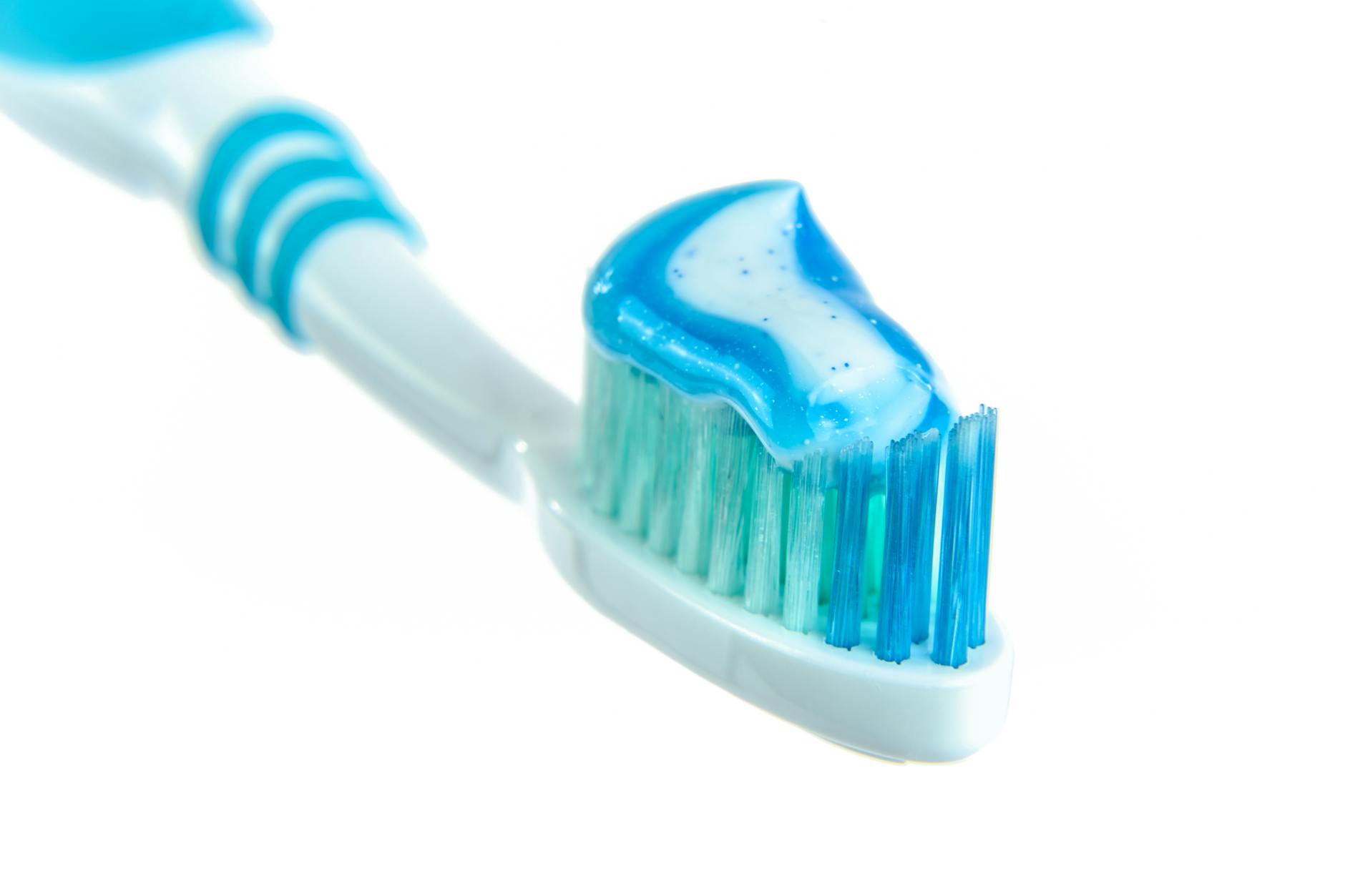
- Brushing teeth twice a day for at least two minutes with fluoride toothpaste
- Flossing daily to clear food particles and prevent plaque buildup
- Attending dental checkups and cleanings every six months
- Utilizing fluoride rinses or professional treatments as recommended
- Applying dental sealants to children’s molars to prevent early decay
- Wearing mouthguards during sports activities helps protect against injury
These simple, straightforward habits are far more impactful than they may initially appear. Families who schedule regular checkups and create morning and evening brushing routines set a strong foundation for health. Preventive measures like fluoride and sealants can further reduce decay risks, especially in children and teenagers. Products that support these routines, such as fluoride rinses and dental probiotics available on Amazon.com, can make it easier for families to maintain consistent oral care. Making these practices a non-negotiable part of daily life is vital in shielding future generations from preventable discomfort and dental emergencies.
Starting early also means less resistance as children grow older. It is not uncommon to see anxiety around the dentist decline when dental visits are part of routine family life. Parents who model these habits, use positive language, or even brush alongside their children help create a culture where oral health is simply part of everyday self-care. For more information on coverage options supporting preventive care, visit https://www1.deltadentalins.com/individuals-and-families.html. Understanding what services are included can help families plan more confidently and avoid unexpected costs.
Financial Benefits of Early Investment in Oral Health
The financial impact of dental care is a concern for many families. What’s encouraging, though, is how much families stand to save when they invest in prevention. Estimates from the American Dental Association show that every single dollar invested in preventive services like cleanings and sealants can save up to $50 in restorative or emergency dental treatment later. That means skipping the stress of root canals, crowns, or emergency visits—expensive, uncomfortable, and often avoidable.
From a budgeting perspective, regular preventive care helps families spread out their healthcare costs. Instead of being blindsided by large bills for urgent needs, they can plan for predictable, smaller expenses associated with routine checkups and cleanings. Thinking about oral health as a long-term investment—rather than an occasional or emergency expense—gives families peace of mind and greater flexibility for other financial goals, like family trips or retirement savings.
Family Habits for Generational Wellness
Habits around oral health are shaped early and often persist throughout life. Families that make oral hygiene a shared responsibility—brushing together, establishing playful incentives, or keeping dental appointments as a group—lay the groundwork for lifelong routines. These habits don’t just reduce immediate risks, but often echo across generations, shaping the way children, teens, and eventually parents approach health for their own families someday.
Open communication plays an essential role, too. When parents explain the value of dental care, show excitement about clean teeth, or involve children by letting them choose their toothbrush, the process becomes positive and affirming. A family that celebrates healthy checkups with small rewards develops an environment where oral health feels rewarding rather than just a chore, driving wellness cycles now and in the future.
How Dental Checkups Impact Overall Health
Dental visits aren’t just about clean teeth—they also offer early warning signs crucial for general health. Dentists routinely screen for symptoms that could indicate conditions such as diabetes, anemia, and cardiovascular disease. Oral health professionals may also spot early indicators of infections, nutritional deficiencies, or even cancers during routine exams, catching issues while they are still manageable.
Prevention goes beyond cleanings, providing families with reassurance and real-time feedback about the broader state of their health. Multiple studies have shown that adults with periodontal disease are at higher risk for heart problems and may struggle more with chronic illnesses. By keeping up with regular checkups, families reduce the risk of tooth decay and help ensure more timely intervention for conditions affecting the whole body.
Bridging Oral Health Disparities Through Preventive Care
Disparities in dental care can create health inequalities for marginalized communities. However, preventive strategies offer an opportunity for positive change. Public health campaigns such as Healthy Mouth and Healthy Body are actively working to provide education, resources, and free screenings to families who need them most.
Local schools and health centers have become important allies, providing oral health education, free dental kits, and even mobile clinics to ensure that more children and adults get the necessary preventive care. By promoting early routine care and targeting education efforts where they are most needed, society is taking a step forward in reducing long-term oral health disparities and supporting wellness at the community level.
Top Preventive Tips Families Can Start Today
- Pick soft-bristled toothbrushes and replace them every three to four months to avoid bacterial buildup.
- Opt for toothpaste with proven fluoride benefits to keep enamel strong and minimize decay. Brushing and flossing should be a daily ritual, ideally at the same time each day for consistency.
- Replace snacks high in sugar with crunchy fruits or vegetables, which naturally clean teeth.
- Hydrate with water throughout the day, as it washes away particles and helps maintain healthy saliva levels.
- Schedule dental checkups at regular intervals—many families align these visits with the start of the school year as an easy reminder.
- Normalize conversations about dental health and answer children’s questions to minimize fear and create accountability.
Adopting even a handful of these habits can lead to meaningful differences in family health, setting everyone up for strong teeth and confident smiles. Over time, these small steps collectively produce huge gains in wellness.




Leave a Reply