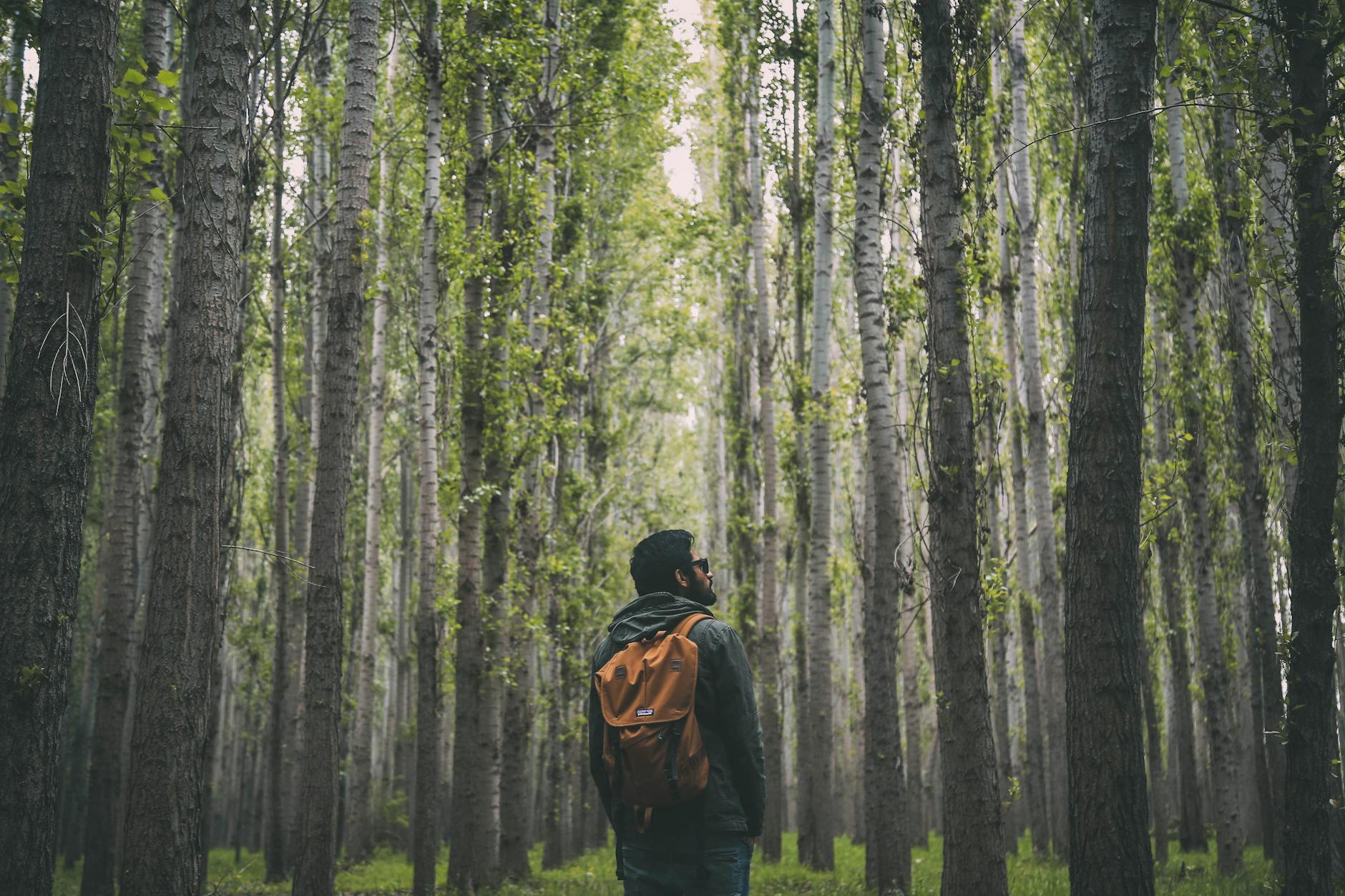
Hiking offers an escape from screens and city life, connecting us with nature while testing our limits. The key to a great adventure? Proper planning. From choosing the right trail to packing smart, preparation turns good intentions into unforgettable journeys. This guide covers everything you need to plan your next wilderness adventure and leave only footprints.
Choosing Your Perfect Hiking Destination
Selecting the right hiking destination sets the foundation for your entire adventure. Start by honestly assessing your experience level and fitness. Beginners should focus on well-marked day hikes with moderate elevation gain, while experienced hikers can tackle challenging multi-day backpacking routes.
Consider what type of scenery ignites your passion. Do towering mountain peaks call to you? Rolling meadows dotted with wildflowers? Or dramatic desert landscapes with red rock formations? Each environment offers unique rewards and challenges.
Timing matters enormously when choosing your destination. Research the best hiking seasons for your chosen area. Mountain trails might be snow-covered in early spring, while desert hikes become dangerously hot during summer months. For instance, if you’re considering a vacation rental near Zion National Park, spring and fall offer ideal weather conditions, while summer requires very early morning starts to avoid extreme heat.
Accessibility plays a practical role in destination selection. Consider how far you’re willing to travel, what permits might be required, and whether the trailhead requires special vehicle access. Some of the world’s most spectacular hikes require significant logistics, while others offer stunning beauty just hours from major cities.
Essential Gear Checklist
Proper gear can make the difference between comfort and misery on the trail. Start with your feet—invest in quality hiking boots that fit properly and have been broken in before your trip. Your boots should match your hiking style: lightweight trail runners for day hikes, sturdy boots for rough terrain, or mountaineering boots for serious alpine adventures.
Layer your clothing system thoughtfully. A moisture-wicking base layer keeps you dry, an insulating mid-layer provides warmth, and a waterproof outer shell protects against wind and rain. Avoid cotton fabrics, which lose insulating properties when wet and take forever to dry.
Your backpack should fit your torso length and carry weight comfortably. Day hikers need 20-30 liter packs, while multi-day backpackers require 40-70 liters, depending on trip length and season. Key features include padded shoulder straps, hip belts, and multiple compartments for organization.
Navigation tools remain essential even in our GPS-enabled world. Carry a detailed topographic map of your area, a compass, and know how to use both. While smartphone apps offer convenience, they drain batteries and can lose signal in remote areas. Consider a dedicated GPS device for serious backcountry travel.
Safety equipment should include a first aid kit tailored to your group size and trip length, an emergency whistle, a headlamp with extra batteries, a fire starter, emergency shelter, and extra food and water. A personal locator beacon (PLB) or satellite messenger provides emergency communication in areas without cell coverage.
Physical Preparation
Hiking fitness goes beyond just walking. Start your preparation at least 6-8 weeks before major trips. Cardiovascular endurance forms the foundation—build your aerobic base through regular hiking, walking, running, or cycling. Gradually increase duration and intensity over time.
Strength training specifically targets the muscles used in hiking. Focus on your legs, core, and back. Squats, lunges, step-ups, and calf raises build leg strength for uphill climbs and downhill control. Planks and other core exercises improve stability with a loaded pack. Back and shoulder exercises prepare you for carrying weight comfortably.
Don’t neglect flexibility and balance training. Yoga or stretching routines improve range of motion and reduce injury risk. Balance exercises help navigate uneven terrain confidently.
Practice hiking with your loaded pack before your trip. This builds specific fitness and helps identify gear problems before you’re miles from civilization. Start with shorter distances and gradually increase both distance and pack weight.
Route Planning and Navigation
Effective route planning begins with gathering reliable information. Consult multiple sources: topographic maps, guidebooks, ranger stations, and online trip reports. Pay attention to trail conditions, seasonal closures, and recent weather impacts.
Study your chosen route carefully on topographic maps. Identify key landmarks, water sources, escape routes, and potential hazards. Calculate distances and elevation gain to estimate hiking times. A general rule suggests 2 miles per hour on flat terrain, plus one additional hour for every 1,000 feet of elevation gain.
Plan for contingencies by identifying alternative routes and bailout options. Weather, injuries, or unexpected trail conditions might force route changes. Having backup plans reduces stress and improves safety.
Share your detailed itinerary with someone reliable before departing. Include trailhead locations, planned campsites, expected return date, and emergency contact information. This simple step could save your life if problems arise.
Safety Considerations
Wilderness safety begins with preparation and continues with smart decision-making on the trail. Weather awareness tops the priority list—mountain weather can change rapidly from sunny skies to dangerous storms. Check forecasts before departing and monitor conditions throughout your trip.
Wildlife encounters require specific strategies depending on your location. Research local animals and proper food storage techniques. Bear canisters or hanging food bags prevent dangerous encounters, while making noise on the trail helps avoid surprising animals.
Water safety involves both quantity and quality considerations. Carry more water than you think you’ll need, and always treat water from natural sources. Boiling, filtration, or purification tablets prevent waterborne illnesses that can ruin trips or create emergencies.
Emergency preparedness means carrying essential survival gear and knowing how to use it. Practice using your emergency shelter, starting fires in wet conditions, and basic first aid techniques. The time to learn these skills is before you need them.
Leave No Trace Principles
Responsible hiking means following Leave No Trace principles to preserve wilderness areas for future generations. Plan and prepare by researching regulations and choosing appropriate gear. Travel and camp on durable surfaces like established trails and campsites.
Dispose of waste properly by packing out all trash, leftover food, and litter. When nature calls, dig catholes 6-8 inches deep and at least 200 feet from water sources, trails, and campsites. Pack out toilet paper and hygiene products.
Leave what you find by taking only photographs and leaving rocks, plants, and artifacts undisturbed. Be considerate of other visitors by keeping noise levels down, yielding trail right-of-way appropriately, and respecting others’ wilderness experiences.
Minimize campfire impacts by using established fire rings, keeping fires small, and ensuring complete extinguishment. In many areas, portable stoves are more appropriate than fires.
Sample Itineraries
Beginner Weekend: Local Nature Preserve
Day 1: 3-mile loop trail with 500 feet elevation gain, focusing on navigation practice and gear familiarity. Day 2: 5-mile out-and-back hike with moderate climbs, building confidence and endurance.
Intermediate Week: Mountain Circuit
Multi-day loop covering 30-40 miles with 5,000+ feet total elevation gain. Includes varied terrain, stream crossings, and backcountry camping. Perfect for building multi-day skills.
Advanced Challenge: Alpine Peak
Technical summit attempt requiring route-finding skills, early alpine starts, and potentially challenging weather. Represents the culmination of hiking skill development.
Conclusion
Great hiking trips start with planning, preparation, and learning from experience. Every hike teaches lessons about gear, fitness, and limits. Success comes from embracing challenges and preparing well. Choose an exciting destination, get the right gear, and build your fitness for unforgettable adventures.



Leave a Reply