Efficient farm management is the backbone of any successful agricultural operation. Whether you’re managing a small family farm or overseeing a large-scale agricultural enterprise, having the right equipment and implementing best practices can significantly impact productivity, sustainability, and profitability. In this blog post, we’ll explore the essential tools and key strategies every farmer should consider to ensure smooth and efficient farm operations.
The Foundation: Must-Have Farm Equipment
Modern farming requires a blend of traditional tools and advanced machinery, including reliable farm equipment designed to improve efficiency and productivity. Here are the essential pieces of equipment every well-managed farm should have:
1. Tractors
Tractors are the workhorses of any farm. From plowing fields to hauling loads, they provide the power and versatility needed to handle a wide range of tasks. Choosing the right size and type of tractor—compact, utility, or row-crop—depends on the scale and nature of your operation.
2. Plows and Harrows
Soil preparation is crucial for healthy crop growth. Plows are used to break and turn the soil, while harrows smooth and refine the seedbed. These implements attach to tractors and help increase soil aeration and nutrient distribution.
3. Seeders and Planters
Precision in planting improves yield and reduces waste. Modern seeders and planters allow for consistent seed depth and spacing, which is essential for crop uniformity and efficient land use.
4. Irrigation Systems
Effective water management is vital for efficient farm operations, especially in arid regions like Utah. Utilizing well pumps ensures a reliable water source, making it possible to sustain crops even during dry spells. Systems such as drip irrigation, pivots, and sprinklers help maximize water use by delivering precise amounts directly to the plants.
Additionally, automated irrigation setups streamline labor demands and enable farmers to schedule watering more accurately, promoting both conservation and productivity.
5. Harvesting Equipment
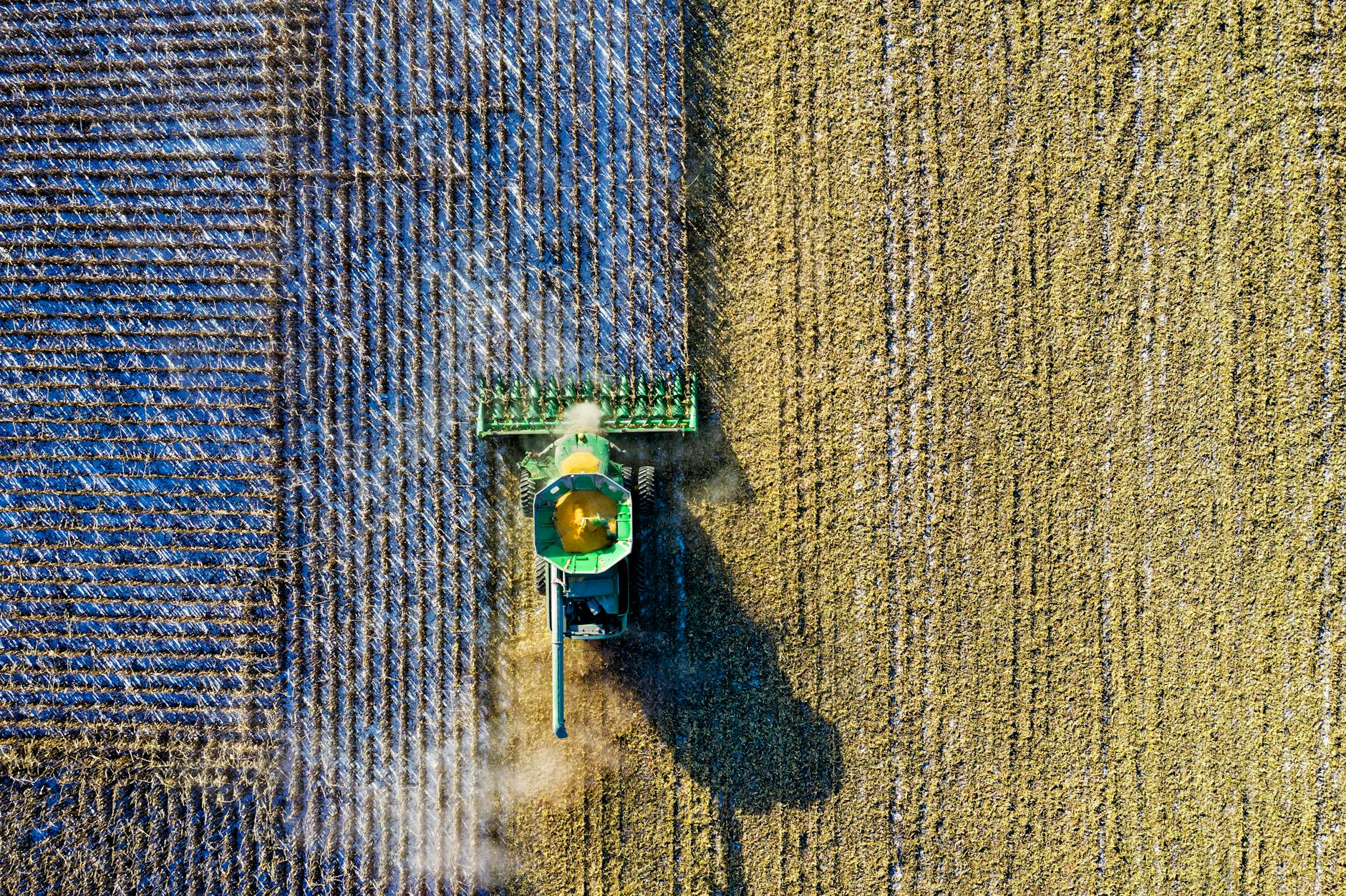
Timely and efficient harvesting can make or break a season’s profits. From combine harvesters to fruit-picking machines, having the right harvesting tools streamlines the process and minimizes crop loss.
6. Storage Solutions
Proper storage prevents spoilage and maintains quality. Silos, grain bins, and refrigerated storage units are crucial for storing harvested crops safely until they are sold or processed.
Smart Practices for Farm Efficiency
Beyond equipment, implementing sound management practices can significantly enhance farm operations.
1. Crop Rotation and Soil Health
Practicing crop rotation helps maintain soil fertility and reduces pest and disease cycles. Adding cover crops and using organic compost also contributes to long-term soil health, which in turn supports better yields.
2. Integrated Pest Management (IPM)
Rather than relying solely on chemical pesticides, IPM involves using a combination of biological, cultural, and mechanical methods to manage pests. This approach is cost-effective and environmentally responsible.
3. Record Keeping and Farm Data Management
Accurate records of planting schedules, input usage, yields, and financials are vital for informed decision-making. Today, farm management software can help streamline these tasks and provide real-time insights.
4. Labor Management and Training
Investing in employee training leads to better handling of equipment, improved safety, and more efficient workflows. Clear communication, defined roles, and fair labor practices contribute to a motivated and productive workforce.
5. Sustainability Practices
Efficient farms look beyond the bottom line and consider their impact on the environment. Reducing chemical inputs, recycling farm waste, and adopting renewable energy sources are not only good for the planet—they often reduce long-term operational costs.
Embracing Technology
Technology is rapidly transforming agriculture. From drones to GPS-guided tractors, farmers can now monitor crops, soil conditions, and weather patterns with incredible accuracy.
- Precision Agriculture: Using GPS and sensors, farmers can optimize planting patterns, input use, and harvesting, improving both yields and efficiency.
- Drones and Aerial Imaging: Drones provide real-time images of crops, helping detect issues such as nutrient deficiencies or pest infestations early.
- Farm Management Apps: These digital tools assist with scheduling, inventory management, budgeting, and data analysis—all accessible from a smartphone or computer.
Final Thoughts
Successful farm management isn’t just about hard work—it’s about working smart. By investing in the right equipment and embracing best practices, farmers can optimize productivity, reduce waste, and build a more sustainable future. As agriculture continues to evolve, staying updated with the latest innovations and refining your management strategy will be key to long-term success.
Whether you’re planting your first acre or managing hundreds, efficiency begins with preparation, precision, and a commitment to continuous improvement.




Leave a Reply