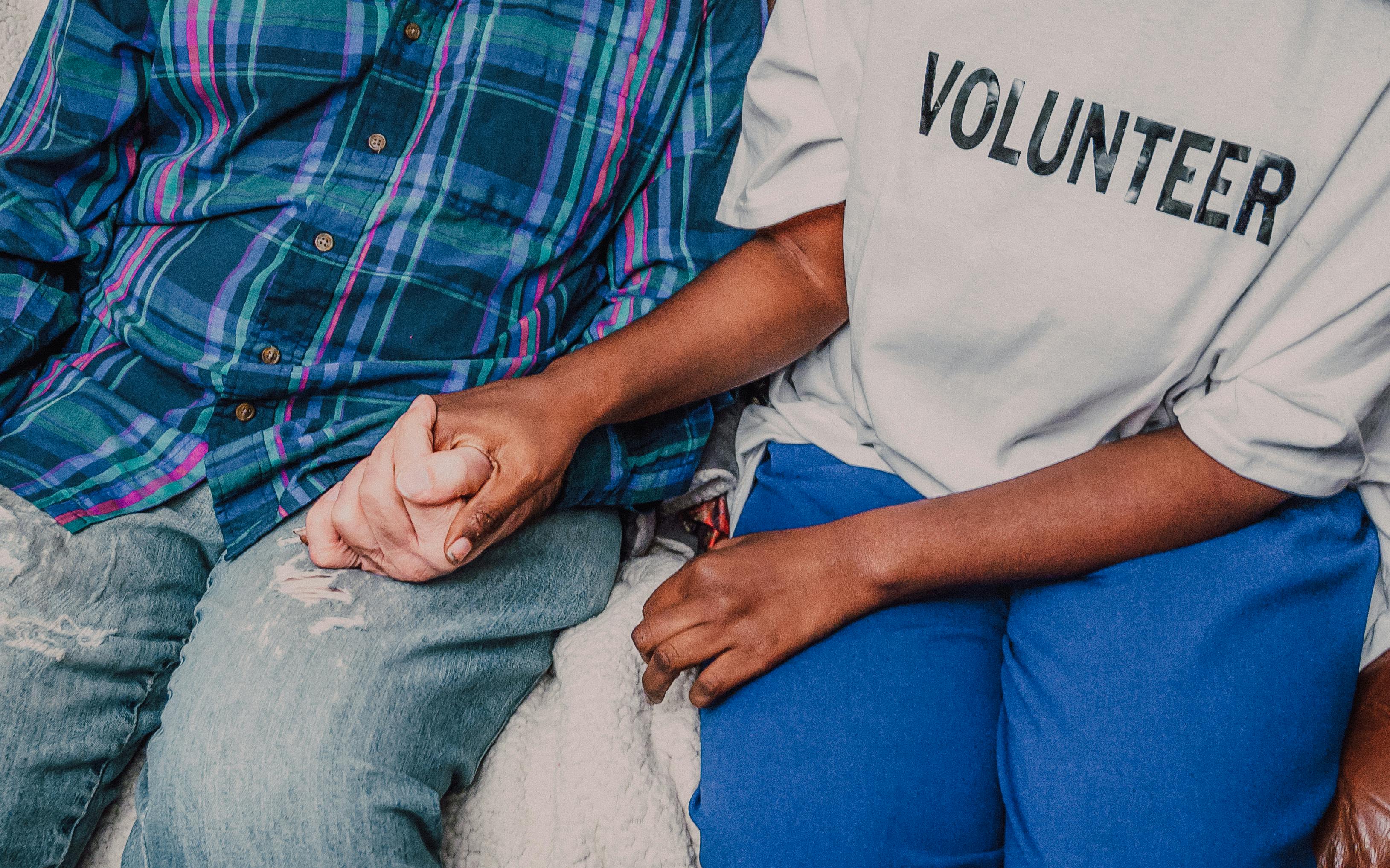
When students learn that what they know can make a difference beyond their success, it plants a seed for service. Lessons that link personal growth with the well-being of others help build a sense of responsibility that lasts well into their professional lives. Such experiences make it clear that knowledge is not merely about grades or careers but also about what someone can give back.
In regions like New York, this connection stands out uniquely. The city’s mix of cultures, challenges, and opportunities creates an environment where schools and universities often tie learning to real community needs. Programs that focus on public service and social development show students how their education can translate into meaningful action. Higher education options across the state, especially those aimed at preparing people for service-oriented fields, reinforce this link between knowledge and contributing to society.
Careers Focused on Helping People
Education often sparks interest in professions where the focus is on supporting others. Social work is a clear example, with students learning how this field provides direct help to individuals and families facing difficult situations. Early exposure to courses that explore human services and community needs can lead students to see these careers as a way to create lasting change. These paths are often where classroom lessons connect most strongly to real-world impact, giving students a sense of purpose as they plan their future.
For those ready to take that commitment further, pursuing advanced study is a viable step. Higher-level programs allow them to gain deeper skills and prepare for leadership roles in social service. Online MSW programs in NY can prove valuable in this regard, offering flexible schedules that fit around work and family life. The online format removes the barrier of travel and gives students in different parts of the state a chance to earn advanced degrees without uprooting their lives.
Value of Collective Well-Being
Academic institutes play a powerful role in helping students see that the health and success of a community depend on everyone working together. Lessons that highlight shared responsibility teach young people to think beyond their achievements. Group projects, discussions about public health, and examples of cooperation can show how the choices of one person can affect many others.
Classrooms that reflect real-life situations make these lessons even stronger. When students see how collective well-being connects to their surroundings, the topic feels practical instead of abstract.
Exposure to Diverse Perspectives
Encountering different viewpoints through education often shapes how people see their role in supporting others. When coursework, discussions, or professional training include diverse cultural and social contexts, it helps learners understand the value of every voice in a community. This exposure encourages empathy and lays the groundwork for approaching service with respect and awareness.
Programs that include varied perspectives also create a stronger connection between education and real-life situations. Engaging with different experiences helps individuals see that community work is not one-size-fits-all. It prepares them to contribute in ways that are informed and considerate, which makes their efforts more impactful when they step into service-oriented roles.
Highlighting Stories of Change-Makers
Sharing real examples of people who have strengthened their communities can inspire others to follow a similar path. Education that incorporates case studies or professional experiences of change-makers makes the idea of service tangible. It shows that meaningful impact comes from consistent effort and practical application, not just theory.
These stories can come from local leaders, professionals in social sectors, or even individuals who turned their expertise into community solutions. Seeing real outcomes reinforces that education is not limited to personal gain. It can be used as a direct tool to create positive change in everyday environments.
Identify and Solve Local Challenges
When education gives students the tools to spot problems in their surroundings, it sparks a sense of responsibility. Lessons tied to real issues in their communities encourage them to think about how their knowledge can be used to create solutions.
Hands-on experiences make this connection even stronger. Projects where students work together to tackle a real problem in their area show them that their efforts matter. They learn that the skills they develop in school can directly improve the lives of people around them.
Critical Thinking and Social Awareness
Learning environments that prioritize critical thinking help people understand the complexity of social issues. Being able to analyze problems from multiple angles allows them to approach community challenges with informed solutions instead of quick fixes. This skill links education to service by building a deeper awareness of how decisions affect entire systems.
When applied to real-world contexts, critical thinking transforms academic lessons into actionable strategies. It helps individuals move beyond surface-level understanding and see the broader effects of their choices.
Recognizing Individual Impact
Education often serves as a reminder that one person’s actions can ripple through a community. When courses or training show the results of individual efforts, it reinforces the idea that service doesn’t always require large-scale initiatives. Small, consistent contributions can create meaningful change over time.
Experiences that highlight this connection build confidence in taking action. Whether it’s in professional settings or community projects, seeing how a single decision or project affects others reinforces the value of staying engaged and using learned skills to make a difference.
Linking Academic Goals to Community Needs
When education ties learning outcomes to practical community needs, it creates a direct bridge between theory and service. This approach shows that academic growth is not separate from everyday life but can actively contribute to improving the environments people live and work in.
Programs designed with this connection in mind often lead to more engaged participants. They see a clear purpose behind what they are learning, which sparks motivation to use their skills beyond personal advancement and apply them to collective challenges.
Integrating Real-World Projects
Including real community projects in education helps translate concepts into action. Working on tangible initiatives demonstrates how knowledge can tackle current issues and improve local systems. It turns education into a hands-on tool for service rather than an abstract idea.
This practical application often leaves a stronger impression than traditional coursework alone. Seeing the immediate results of applying skills to real challenges reinforces the connection between learning and contributing to the greater good.
When learning highlights diverse perspectives, encourages critical thinking, and ties knowledge to real-world challenges, it naturally translates to action that benefits entire communities. Linking academic achievement with collective well-being turns education into more than a career pathway. It becomes a tool for long-term impact, allowing students to use their skills to strengthen the places they live and work.




Leave a Reply