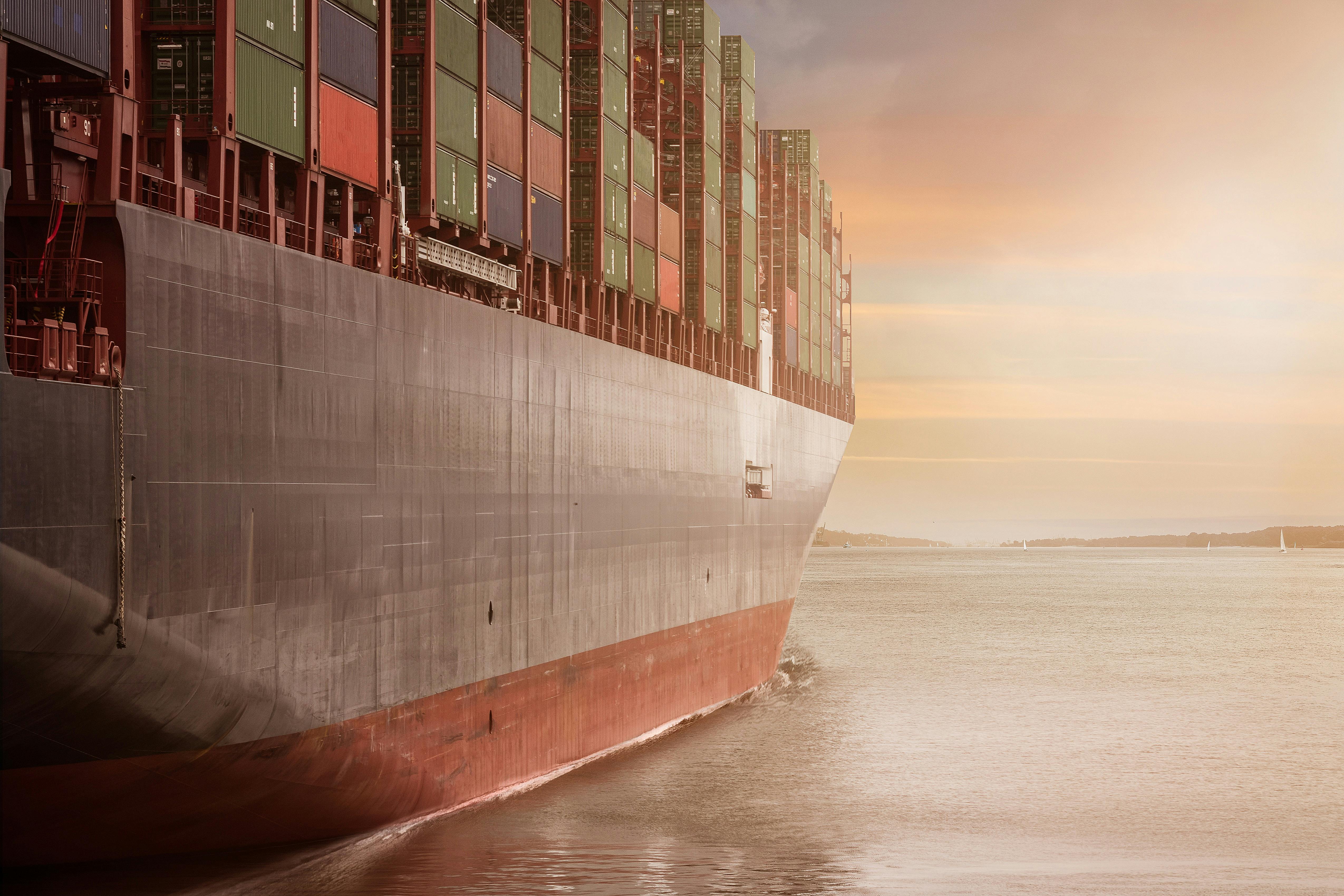
Freight forwarding experts are essential to the smooth flow of goods across international borders. While global trade is more interconnected than ever, the complexities of customs regulations and documentation can easily disrupt shipments. Experienced freight forwarders bridge this gap by applying specialized knowledge, advanced tools, and strategic processes to keep cargo moving without costly delays. Below is a comprehensive look at how these professionals manage customs and documentation challenges to support efficient international logistics.
Precision in Preparing Customs and Shipping Documentation
Accurate documentation is the foundation of successful cross-border shipping. Freight forwarding professionals are responsible for ensuring all customs and shipment documents are complete, correct, and submitted on time. Even minor errors—such as misstated values, incorrect tariff classifications, or missing certificates—can result in penalties, clearance delays, or shipment holds.
Forwarders understand the unique document requirements of each destination country. They verify key details including the country of origin, Harmonized System (HS) codes, commercial invoices, packing lists, and any mandatory declarations. By ensuring every document matches international and local regulations, they minimize the risk of customs interventions and create a faster, more predictable clearance process.
Compliance-Focused Processes That Reduce Delays
Regulations governing imports and exports are constantly evolving. To keep shipments compliant, freight forwarders build robust processes designed to monitor legal changes, adapt documentation procedures, and audit shipments for accuracy.
These compliance-driven workflows include:
- Tracking updates to tariff codes and duty structures
- Monitoring trade agreements and exemptions
- Identifying restricted goods or license requirements
- Ensuring alignment with international standards like INCOTERMS
By maintaining up-to-date knowledge of global trade laws, freight forwarding professionals prevent complications before they occur. Their strategic approach ensures that shipments meet all regulatory criteria from departure to arrival, reducing the risk of border delays and ensuring predictable transit times.
Digital Solutions That Eliminate Errors and Speed Up Clearance
Technology has become one of the most powerful tools in freight forwarding. Modern digital platforms simplify customs processes by automating form entry, standardizing document templates, and enabling electronic submission to customs authorities.
Key advantages include:
- Lower Error Rates: Automation reduces manual input errors, ensuring consistent and accurate paperwork.
- Faster Approvals: Electronic submissions accelerate customs processing compared to physical documents.
- Real-Time Visibility: Digital tracking tools provide instant updates on shipment and clearance status.
- Greater Transparency: Clients can monitor the documentation process and track cargo movements easily.
These digital innovations improve operational efficiency, reduce administrative burdens, and help forwarders process large volumes of shipments with precision. With integrated systems, potential issues are identified sooner, documentation is stored securely, and clearance timelines are significantly improved.
Coordination with Customs Agencies and Key Stakeholders
Freight forwarding experts act as the central communication hub in international logistics. They work closely with customs authorities, shippers, consignees, carriers, and inspection agencies to ensure every stakeholder has accurate, timely information. By partnering with a reliable logistics company like Ship with Mina, businesses can streamline their supply chain operations, reduce delays, and ensure smooth door-to-door delivery across domestic and international markets.
This coordination includes:
- Submitting required documents to customs officials
- Communicating with exporters/importers about missing or updated documents
- Relaying shipment status to carriers
- Resolving queries raised by authorities during inspection
By maintaining open communication channels throughout the shipment lifecycle, forwarders can quickly address discrepancies or requests from customs. This collaborative approach significantly reduces the likelihood of cargo being held due to miscommunication or incomplete information.
Proactive Risk Identification and Regulatory Awareness
Risk management is a core function in freight forwarding, especially when dealing with diverse legal frameworks across global markets. Experienced forwarders mitigate risk by staying informed about:
- Import and export restrictions
- Sanctions and embargoes
- Duty and tax policies
- Regulatory changes impacting specific industries
With this proactive knowledge, forwarders identify potential red flags early—such as high-risk goods, prohibited items, or misclassified products—and advise their clients accordingly. This helps businesses avoid legal penalties, shipment confiscations, and unexpected supply chain disruptions.
A strong understanding of regulatory landscapes allows freight experts to anticipate potential delays, plan alternatives, and maintain steady cargo flow even in unpredictable environments.
Ensuring Smooth Global Shipping Through Expertise and Preparation
Freight forwarding professionals play an indispensable role in international trade by managing the intricate processes behind customs clearance and documentation. Their ability to prepare accurate paperwork, maintain compliance, utilize digital tools, coordinate with relevant agencies, and proactively mitigate risks ensures that global shipments move efficiently and reliably.
For businesses expanding into new markets or shipping internationally on a regular basis, partnering with a trusted freight forwarding service is essential. Their expertise not only reduces delays and administrative burdens but also strengthens the entire supply chain.
If your organization needs support navigating customs procedures or managing complex documentation, consulting an experienced freight forwarder early in the process can help ensure seamless shipments and greater operational confidence.




Leave a Reply