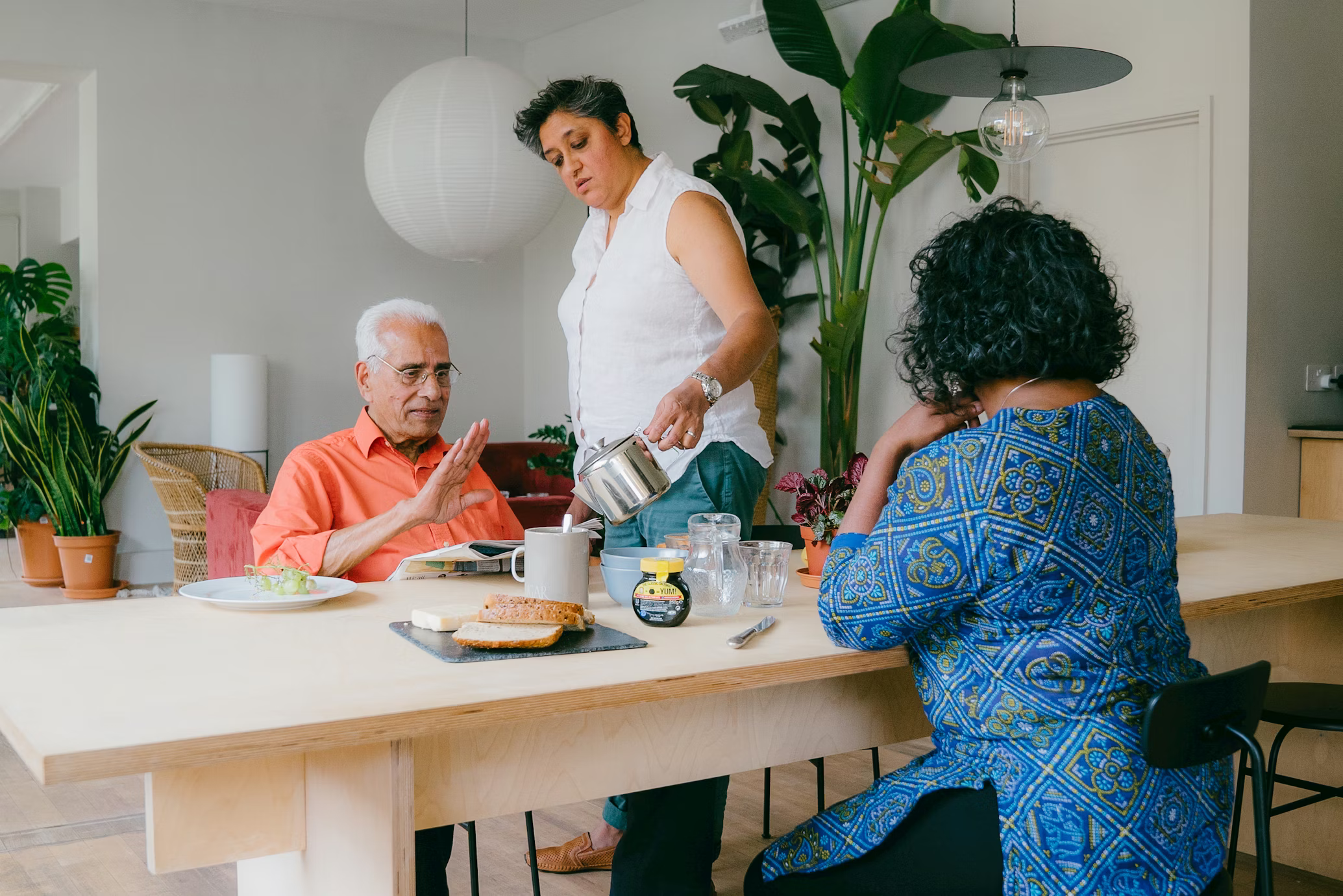
The dynamics of shared spaces present opportunities as well as challenges as more families choose to live with several generations. Living under one roof allows for closer bonds, shared responsibilities, and cost savings. But it also requires balancing privacy, comfort, and the diverse needs of different generations.
Fortunately, innovative solutions are transforming the way families manage these complexities. From smart technologies like voice assistants to noise-reducing solutions like room sound dampening, modern advancements make shared living more efficient and harmonious.
This article explores some of the best innovations designed to address the unique needs of multi-generational households. These innovations help families create a space that works for everyone.
Voice-Controlled Devices
Voice-activated systems such as Amazon Alexa and Apple’s Siri have greatly improved the convenience and functionality of multi-generational living. These systems provide a hands-free way to manage lighting, appliances, music, and more. This technology is particularly beneficial for older adults or individuals with mobility challenges.
For instance, your grandparent does not have to walk across the room to turn off the lights. They can simply say, “Turn off the living room lights.” The job will be done. Children can also utilize voice assistants to play educational games or ask questions related to their homework.
No wonder the demand for voice-activated technology is on the rise. In 2023, the voice assistant market was estimated to be worth USD 5.35 billion. Verified Market Research projects it to reach USD 35.51 billion by 2031. It is expected to grow at an impressive CAGR of 29.45% between 2024 and 2031. The integration of these assistants into smartphones and smart speakers has transformed how people interact with technology.
Additionally, voice-controlled devices can be integrated with home safety features. Users can give commands to lock doors, adjust thermostats, or call emergency contacts. This creates a safer living environment while also improving overall convenience.
Sound Dampening
In multigenerational households, sound dampening is essential for balancing the lively energy of shared spaces with the need for quiet, private areas. The goal is to reduce the intensity of sound within and between rooms without completely isolating them. This is achieved by combining absorbent materials, which soften and reduce echoes, with barriers that block direct noise transmission.
Soft furnishings like thick rugs, upholstered chairs, and fabric wall hangings can absorb sound waves. Strategically placed furniture, such as bookshelves, wardrobes, or screens, can also serve as natural noise barriers. Acoustic ceiling treatments are another effective option for reducing echo in open-plan or high-ceiling rooms.
Small adjustments can make a big difference. Properly sealed doors and windows help prevent sound leakage. High-quality sound-dampening panels can also soften harsh noises, reducing disturbances for both neighbors and family members.
As per Felt Right, the effectiveness of these materials is measured by their Noise Reduction Coefficient (NRC)—a higher NRC means better sound absorption. Materials like drywall or concrete, which have low NRC values, tend to reflect sound. Those with higher NRC values absorb the sound, reducing unwanted vibrations and creating a calmer, more harmonious living space.
Flexible Floor Plans
In 2022, approximately 4.8 million multigenerational households existed in the U.S. This represents about 3.7% of all households. USAFacts notes that these homes brought together around 26 million individuals, or 8.1% of the population. Given this trend, innovative design solutions are becoming increasingly important for harmonious living.
One prominent architectural trend in multigenerational homes is the adoption of flexible floor plans. Spaces may be readily reused to accommodate the family’s changing demands thanks to this flexible design. For instance, an elderly family member’s bedroom could eventually be converted from a space currently used as their home office.
Open-concept designs with movable partitions or sliding walls are becoming increasingly popular. They allow homeowners to adjust their spaces according to their needs. Additionally, split-level layouts or duplex-style configurations within a single home can create semi-independent living areas while keeping family members close.
Family Management Apps
Managing a multigenerational household can often feel like running a small company, which is where family management apps come into play. These tools are designed to help coordinate schedules, assign chores, and track shared expenses, ensuring that all family members stay aligned. Popular options like Cozi, OurHome, and Google Calendar facilitate this organization.
For instance, a shared calendar can effectively note medical appointments for grandparents, school events for children, and work schedules for parents. Chore assignments can rotate weekly, with automatic reminders sent to keep everyone on track.
The expanding calendar market reflects the increasing significance of these tools. The global calendar market was valued at approximately $7.9 billion in 2022. It is expected to grow at a compound annual growth rate (CAGR) of about 4.5% from 2023 to 2030. This growth is driven by increasing consumer interest in personalized calendars that allow for customization for any kind of event.
Accessible Garden Designs
Creating accessible outdoor spaces is essential for accommodating all ages and abilities. Raised garden beds are particularly beneficial for grandparents who enjoy gardening but may struggle with bending down. Additionally, wide and even pathways facilitate easy movement for wheelchairs or walkers, while slip-resistant materials help prevent accidents.
One example is the Lobster Trap Vertical Garden, which removes the need to bend altogether. Martha Stewart recommends this unique vertical planter to those looking for a fun, coastal-inspired design.
The rectangular cages, commonly seen in Maine, can be arranged vertically. This makes them ideal containers for easy tending and harvesting in both sitting and standing positions. This allows people of all abilities to connect with plants and enjoy gardening.
Multi-level decks with ramps instead of stairs can also enhance mobility for older family members while maintaining an attractive aesthetic. Incorporating good lighting along pathways and seating areas further ensures safety for evening activities.
FAQs
What are the current trends in multigenerational households?
Multigenerational living is increasingly common across age groups. Among younger millennials, 34% of such households have children under 18, while 42% of Gen X buyers share this feature. Many older millennials are also purchasing multigenerational homes to live with and care for their aging parents, blending generations under one roof.
How to design a multi-generational home?
Designing a multi-generational home means balancing shared living with individual privacy. Flexible layouts, separate living areas with private entrances, and accessible features for all ages are essential. Incorporating soundproofing, adaptable spaces, and communal areas addresses diverse lifestyle needs. It also fosters harmony, comfort, and connection among all family members.
What technology is used to help older adults?
Technology supporting older adults includes medication management tools, GPS trackers, and smart home devices for safety and independence. Wearable fitness trackers and smartwatches monitor activity, sleep, and health data, promoting wellness. These innovations enable seniors to stay connected, maintain routines, and receive timely assistance when needed.
Multi-generational living offers unique opportunities for connection and support. But it also requires thoughtful solutions to address the diverse needs of all family members. Innovations like the ones above can make shared living more comfortable, efficient, and harmonious. By making use of these advancements, families can create a home environment that fosters togetherness and accommodates privacy, safety, and individual preferences.




Leave a Reply