If you own a furry friend and love to decorate your home with beautiful scents and fresh blooms, at some point you might have wondered “is lavender poisonous to cats?”
To provide you a simple answer, yes it is harmful to your cats. While for us lavender proves to be a soothing escape for cats it is toxic and imposes a health risk since lavender contains compounds that cats are sensitive to. Whether you order blooms or decor via flower delivery in Oshawa or flower delivery in Whitby you should always consider whether bringing lavender indoors is safe for your pet.
We will further dive into the question: is lavender poisonous to cats?, how lavender could affect your furry friend, what to watch out for, and safer alternatives for your pet in this article so you can make a well informed decision to keep your pet safe.
Why Worry? The Science Behind Lavender Toxicity in Cats
What Makes Lavender Risky
Cats are curious creatures by nature, which love to sniff and occasionally nibble on house plants which may be dangerous for your cats health depending on the plants you have.
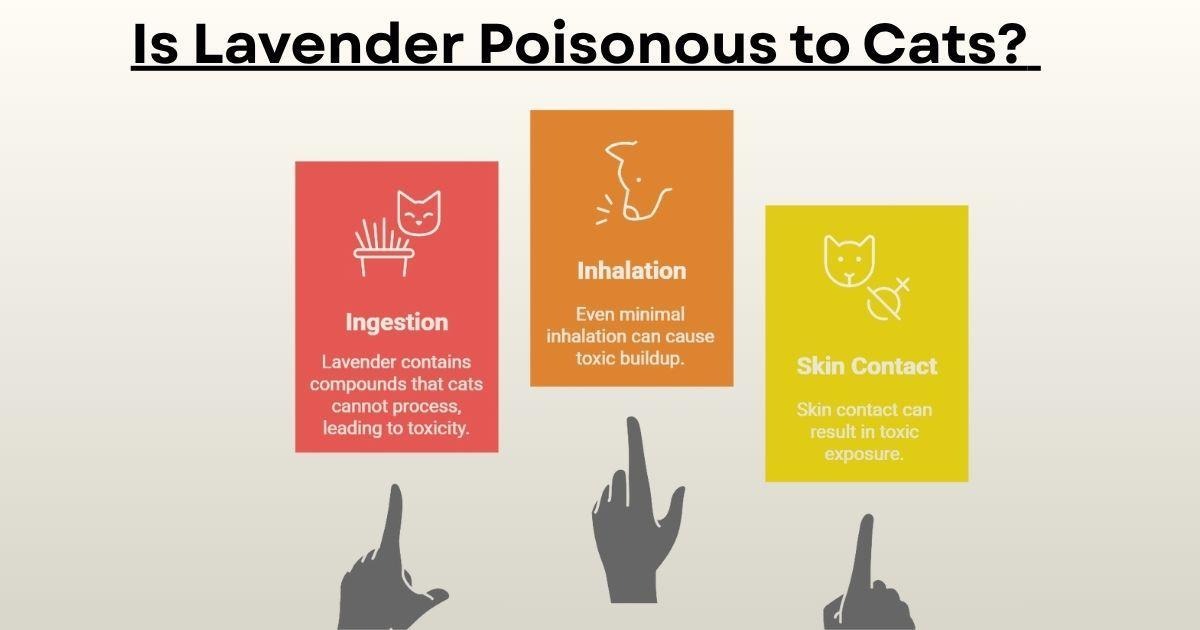
Lavender contains compounds such as linalool and linalyl acetate, which pose risks to felines due to the absence of certain liver enzymes in your cat which are required for proper breaking and eliminating of these substances making lavender toxic to your cats. As a result even minimal exposure of lavender whether through ingestion, inhalation, or skin contact can cause toxic build up and pose serious health issues.
Forms of Lavender Exposure
Cats may be exposed to lavender in various forms:
- Fresh or dried lavender plants
- Essential oils (in diffusers, sprays, or diluted preparations)
- Products scented with lavender (candles, soaps, sachets)
Lavender in the form of essential oil is particularly dangerous since they contain lavender in highly concentrated form and can be absorbed through skin or inhaled.
Recognizing the Signs: Symptoms & Risks
What to Watch Out For
If your cat has ingested or been exposed to lavender, symptoms may include:
- Vomiting
- Diarrhea
- Drooling
- Lethargy or weakness
- Appetite loss
- Trouble breathing (especially with essential oil exposure)
These symptoms may appear within a few hours of exposure.
Risk Levels Depend on Amount and Form
- A nibble of fresh lavender might cause mild gastrointestinal upset
- Exposure to lavender essential oil (through skin or inhalation) can be far more serious
- Some cats may react more strongly than others, depending on health or age
How Dangerous Is It? Assessing the Threat
Is It Always Fatal?
No, exposure to lavender is rarely fatal in moderate amounts. Most cases result in discomfort or mild poisoning. But in concentrated exposures, especially with essential oil, it could escalate.
Long-Term or Repeated Exposure
The liver may be stressed with chronic low level exposure or other symptoms may rise over time. This is due to cats being unable to properly metabolize lavender’s compounds, therefore risk can accumulate at even small exposures.
Safe Practices: How to Protect Your Cat
Tips for Cat-Safe Homes
- Avoid diffusing lavender essential oil in rooms your cat uses
- Don’t apply lavender oils or products to your cat’s skin
- Keep fresh or dried lavender (or sachets) out of reach
- Prefer non-toxic, cat-safe plants and scents
- If using any lavender-scented items, ensure good ventilation and let your cat leave the area freely
Alternatives Worth Trying
Some safer options include:
- Catnip
- Spider plants
- Bamboo palm
Using diffusers that are unscented or pet-safe
To be on the safe side it is advisable to check with your vet before introducing your pets environment to any scented product.
Handling Exposure: What to Do If Your Cat Has Contact
- Remove access to the lavender product immediately
- Wash off any oil from fur using mild, unscented soap (if applicable)
- Contact your veterinarian or a pet poison helpline
- Watch your cat’s symptoms and be ready to take them in for care
- Unless directed by a professional don’t attempt to induce vomiting
Getting your cat immediate veterinary attention can allow for a smooth recovery.
Conclusion
The answer to Is lavender poisonous to cats is therefore yes. However the degree of harm it causes depends on what form and amount of exposure takes place. A minor upset stomach can be caused by a small bite of the plant while in concentrated forms like essential oils the severity accelerates.
It is important to be mindful if you like having lavender around your house. Lavender plants and products should be placed away from your feline’s reach, in shared spaces, avoid using lavender based diffusers and for a pet safe environment always double check the ingredients. If you are in doubt it is best to consult your vet. Small steps taken today can ensure your cat stays healthy, safe and by your side for years to come.
Frequently Asked Questions
Q. Is sniffing lavender harmful to cats?
Typically, it is less riskier to sniff fresh lavender rather than ingesting it. However, essential oil- which are concentrated can be harmful via inhalation to felines.
Q. Is dried lavender safe for cats to eat?
It is recommended to not allow your feline to ingest lavender as it can cause gastrointestinal upset, furthermore, in significant amounts it is unsafe and pose a serious health risk to your cat.
Q: What if my cat licks lavender oil from the floor?
That is serious. Wash the area, monitor symptoms, and call a vet immediately.
Q: Are all types of lavender equally toxic?
Most true lavender species share similar compounds like linalool. All forms should be treated with caution.
Q: How fast will symptoms show?
Signs may appear within hours, especially for essential oil exposure, or a bit later for milder ingestion.




Leave a Reply