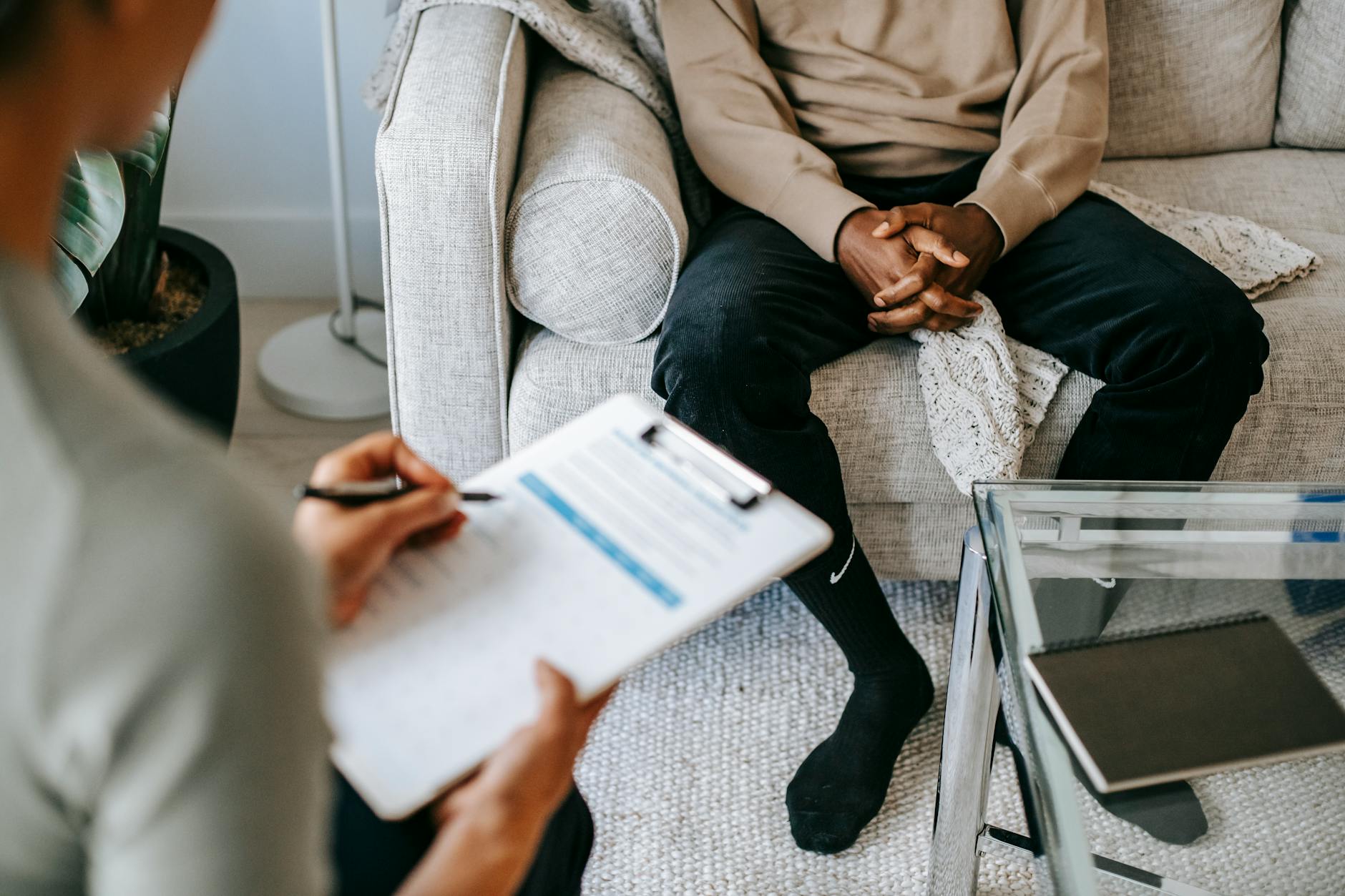
Many families feel lost and stressed when looking for help with mental health or behavior issues at home. It can be hard to know what to do next. Recent studies show that more than 80% of parents see better results with in-home therapy.
In this blog, I will share how at-home therapy can make family life better through comfort, flexibility, and real support. Keep reading to learn why so many people are choosing it today.
Key Takeaways
- Over 80% of parents report better results with in-home therapy, showing it works for many families (recent studies).
- At-home therapy helps families talk and solve problems where they feel safe. This can improve how they communicate and build trust.
- Therapy at home is flexible. It fits into busy schedules and uses video calls or in-person visits for comfort.
- Families get support suited to their needs—including ABA for autism, play therapy for kids, and counseling for all ages.
- Having sessions at home reduces the stigma of seeking help. It lets everyone share feelings more openly and grow closer as a family.
Enhancing Family Dynamics Through At-Home Therapy
I see real change in how my family talks and shares feelings during at-home therapy. It feels easier for us to work on problems together, right where we feel most comfortable.
Improving communication and conflict resolution
Families often struggle with talking and solving problems, especially at home. I find that in-home therapy gives us a quiet space to practice real conversations. We use simple tools like “I feel” statements and calm listening skills.
A therapist may give gentle prompts or fun activities, making hard talks easier. In sessions, I see my family learn how to talk without yelling or blaming.
Virtual therapy brings even more comfort for some kids—especially those who get nervous in new places. Using video calls, everyone practices sharing feelings from their favorite spot on the couch.
At-home autism therapy can help children use clear words or pictures to show what they need during arguments.
Many parents are also exploring options like speech therapy at home to support their children’s communication skills in a familiar environment. Learning to listen is just as important as learning to speak.
ABA therapy works well when families join together in one safe place; this helps us build healthy habits right where we live every day. Families really do make gains here—they start understanding each other better and fix problems before they grow big.
Strengthening emotional bonds
At-home therapy helps families grow closer. I see this in my own life. Therapy sessions take place where we feel safe and comfortable. This setting allows family members to express feelings without fear. Conversations happen more openly, which strengthens emotional ties.
I notice the difference in our interactions after therapy. We learn to listen better and understand each other’s needs. By focusing on communication skills, everyone feels valued and heard.
These moments create a stronger bond between us all, making our family dynamics healthier and happier.
Unique Benefits of At-Home Therapy
At-home therapy offers a cozy space for families to connect. You can see how everyone interacts in real time, making it easier to understand each other’s feelings and needs….
Creating a safe and comfortable environment
At-home therapy offers a cozy space for families. This setting makes it easier to open up and share feelings. I enjoy that everyone feels more at ease in their own home. It helps us talk about tough topics without stress.
The comfort of familiar surroundings allows real connections to grow. Watching how we interact while being ourselves gives our therapist valuable insight. They can see our true dynamics, which helps them guide us better.
A safe environment means emotional support flows freely, making each session effective and positive.
Observing real-time family interactions
Creating a safe and comfortable environment leads to better insights. Observing real-time family interactions helps identify patterns. I can see how family members communicate and respond to each other. This gives me a clearer view of strengths and challenges.
I notice moments that matter, like sharing jokes or resolving conflicts. These small events tell me about the family’s dynamics. Real-time observation also helps in suggesting immediate changes or strategies that fit their needs.
Families often feel relieved when they know their therapist is right there, guiding them through tough moments as they happen.
Addressing Mental Health and Emotional Well-Being
At-home therapy helps families talk openly about feelings. It makes it easier to share and understand each other better, which is key for good mental health.
Reducing stigma and promoting self-expression
At-home therapy helps families feel more comfortable. It allows everyone to express their thoughts and feelings without fear. This is key for mental health. Stigma around seeking help can disappear when therapy happens in a familiar space.
I see that people open up more at home. They share worries or joys during family sessions. This openness leads to better communication and understanding, which strengthens bonds within the family.
Self-expression grows with this kind of support, helping each person feel valued and heard.
Supporting individualized mental health needs
Therapy at home helps meet each family member’s unique mental health needs. It allows me to see how everyone interacts in their space, which can guide the therapist better. This makes it easier for them to suggest what might work best.
Adjusting therapy methods is key. Families dealing with autism, anxiety, or any other challenge benefit from this flexibility. Tailoring approaches helps us feel more connected and understood.
I appreciate having support that fits our lives, making it feel less like a burden and more like part of our routine.
Overcoming Challenges in At-Home Therapy
At-home therapy can have some bumps along the way. Many people have wrong ideas about what therapy really is… and understanding the different types of therapy can help families find what works best for them.
Addressing misconceptions about therapy
Some people have wrong ideas about therapy. I used to think the same way.
- Many believe therapy is only for crisis situations. Therapy can help in many ways, even when things seem fine. It helps improve relationships and communication.
- Some think therapists only give advice or tell you what to do. Instead, they guide family members to find their own solutions and understand one another better.
- A common thought is that therapy is only for individuals with severe issues. Families of all kinds can benefit from therapy, regardless of their challenges.
- People often see therapy as a sign of weakness. In reality, seeking help shows strength and a desire to grow as a family.
- Many feel that therapy will take too much time or be hard to fit into busy schedules. At-home therapy offers flexibility, making it easier for families to engage in sessions without added stress.
Understanding these misconceptions about therapy can open new doors for families like mine!
Clarifying therapy types and approaches
At-home therapy offers different types to fit family needs. It’s helpful to know what these therapies can provide.
- ABA therapy focuses on changing behavior. Many use it for autism support. This method uses rewards and clear goals to encourage positive changes.
- Family counseling brings everyone together. A therapist guides conversations about feelings and issues. This helps families understand each other better.
- Teletherapy is a modern option. Sessions happen over video calls, making it easy for busy families. People can talk to therapists from their own homes without traveling.
- Play therapy is often used with kids. It allows them to express feelings through play instead of words. This makes sharing easier and more comfortable.
- Cognitive-behavioral therapy (CBT) targets negative thought patterns. Therapists help people recognize these thoughts and change them, leading to better mental health.
- Support groups connect families facing similar challenges. Members share experiences and advice in a safe space, helping each other feel less alone.
- Parent coaching is also available at home. Coaches offer tips and tools for raising children with special needs or behavioral concerns.
- Mindfulness techniques teach calmness and focus through exercises like breathing or meditation practices, promoting emotional well-being within the family.
- Virtual workshops may be offered by some therapists, covering topics like stress management or parenting skills, providing extra learning opportunities for families.
- Each type of therapy has unique benefits; families choose based on their specific needs and goals for emotional support at home.
Conclusion
Families are finding at-home therapy to be a great option. It offers comfort and flexibility that traditional settings do not. I see how it helps improve communication and build stronger connections.
The chance to observe real family interactions is a big plus, too. With less stigma, everyone can express their feelings openly and feel supported in their mental health journey.




Leave a Reply