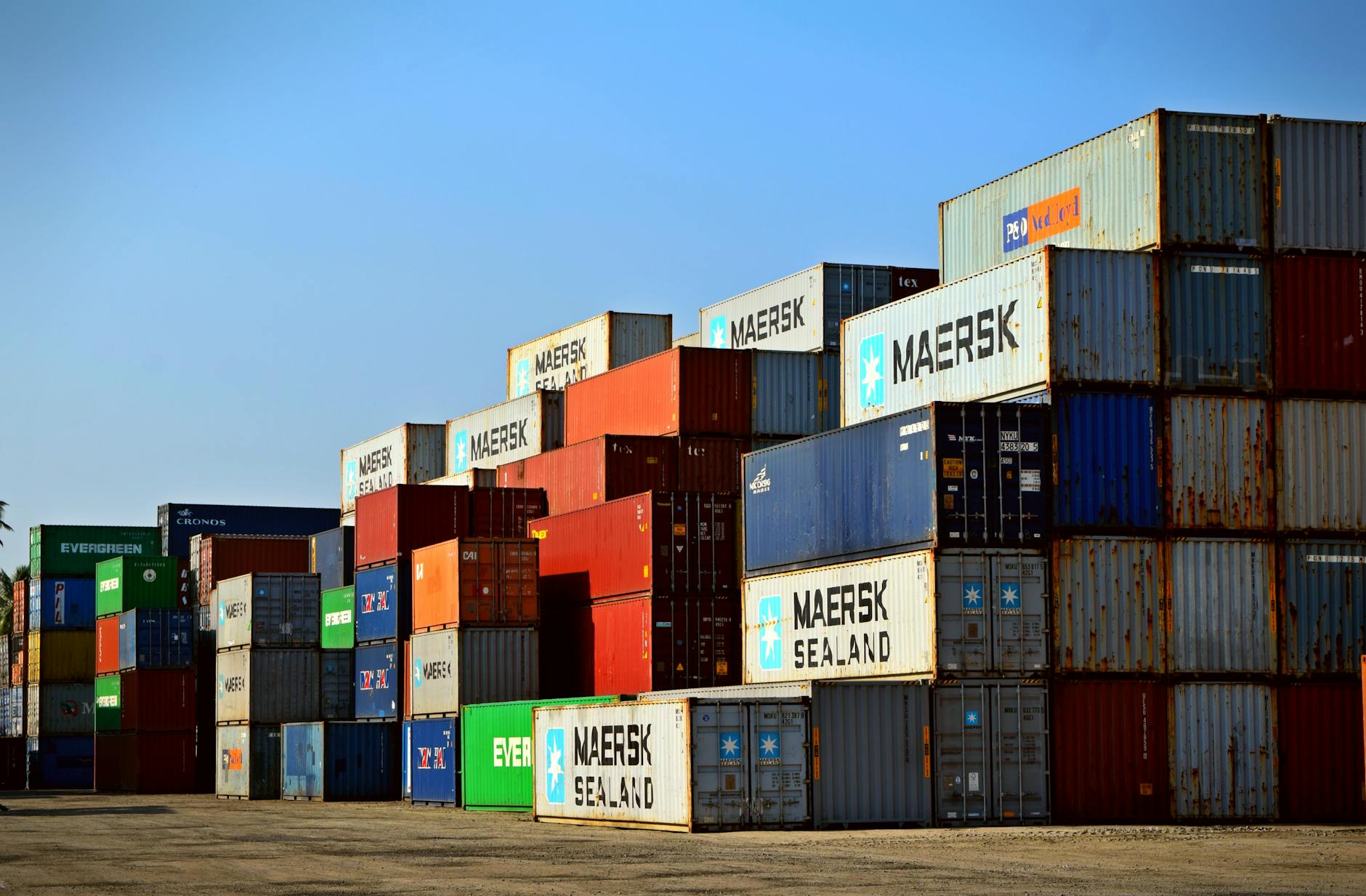
Freight forwarding plays a pivotal role in global logistics, ensuring goods move across borders smoothly and efficiently. However, the complexities of customs and documentation can present significant challenges. Experts in this field rely on their extensive knowledge and experience to navigate these hurdles and ensure compliance. In this article, explore how freight forwarding experts handle customs and documentation challenges to facilitate seamless international trade. Their expertise helps businesses avoid costly delays and ensures shipments are processed on time.
Accurate Preparation of Customs and Shipment Documents
Freight forwarding service experts play a fundamental role in the preparation of accurate customs and shipment documents. The importance of this step cannot be overstated. Customs documents must reflect precise details of the shipment, including the value of goods, country of origin, and tariff classifications. Incorrect documentation can lead to delays, fines, and even seizure of goods.
Freight forwarding experts understand the nuances of each country’s requirements, ensuring that all forms are correctly filled out and submitted on time. This accuracy ensures smoother customs clearance and mitigates potential issues with regulatory bodies. Proper document preparation can significantly reduce the chances of unnecessary delays during the shipping process.
Strategic Processes to Ensure Compliance and Efficiency
To maintain efficiency and avoid errors, freight forwarding experts employ strategic processes that ensure compliance with international regulations. They stay informed of changing laws and requirements in the countries they operate in. For instance, tariff codes, import/export restrictions, and trade agreements can vary from one nation to another.
A strategic process involves constantly monitoring these regulatory updates and adapting procedures accordingly. These experts prioritize compliance, ensuring that every step in the documentation process aligns with the necessary legal standards, allowing shipments to proceed without unnecessary delays. Employing these strategies helps streamline the entire process, from the moment goods are packed to their final delivery.
Leveraged Digital Tools for Faster Clearance and Reduced Errors
Digital tools have become indispensable for freight forwarding experts. Technology has revolutionized the way customs and shipment documentation are handled. With the use of specialized software, experts can automate much of the documentation process, reducing the risk of human error.
These tools also facilitate faster clearance by ensuring that all forms are submitted electronically, eliminating the need for time-consuming manual paperwork. This technology streamlines the process, allowing for quicker approvals and smoother transitions through customs. The ability to track shipments and documentation in real-time enhances overall operational efficiency and boosts customer satisfaction.
Key benefits of leveraging digital tools include:
- Reduced Risk of Errors: Automation minimizes human mistakes, ensuring accurate documentation.
- Faster Processing: Digital submissions speed up the clearance process, reducing wait times.
- Real-time Updates: Experts can monitor the status of shipments and documentation in real time.
- Improved Transparency: Automated tracking systems provide visibility into the status of shipments and documentation.
Expert Coordination with Customs Authorities and Stakeholders
Effective coordination with customs authorities and other stakeholders is crucial to handling customs and documentation challenges efficiently. Freight forwarding experts often act as intermediaries, communicating with customs officials, importers, exporters, and even shipping companies. Their role is to ensure all parties are on the same page regarding shipment details, documentation requirements, and timelines.
This close collaboration ensures that any issues are addressed promptly and that shipments are not held up due to miscommunication or misunderstandings. Experts maintain open lines of communication throughout the entire process, from the initial shipment booking to the final customs clearance. Timely and transparent communication fosters smoother transitions and minimizes the risk of delays.
Proactive Risk Management through Regulatory Knowledge
Risk management is an essential component of freight forwarding. Experts in the field actively manage risks by staying well-versed in regulatory changes and understanding the intricacies of global trade laws. Knowledge of various countries’ import/export restrictions, duty regulations, and embargoes allows them to anticipate potential issues before they arise.
Proactive risk management allows freight forwarding experts to prevent delays, costly fines, and disruptions in the supply chain. Their deep understanding of the regulatory landscape enables them to guide businesses through complex legal requirements with ease. This proactive approach helps businesses navigate challenges that might otherwise lead to costly setbacks.
Freight forwarding experts play a critical role in managing customs and documentation challenges. Their expertise in preparing accurate documents, ensuring compliance, leveraging technology, coordinating with stakeholders, and managing risks ensures that international shipments flow smoothly. As a company scales internationally, a freight forwarding service is vital to maintaining an efficient supply chain. If professional assistance is needed in handling complex customs and documentation tasks, reach out to a trusted freight forwarding service early.




Leave a Reply