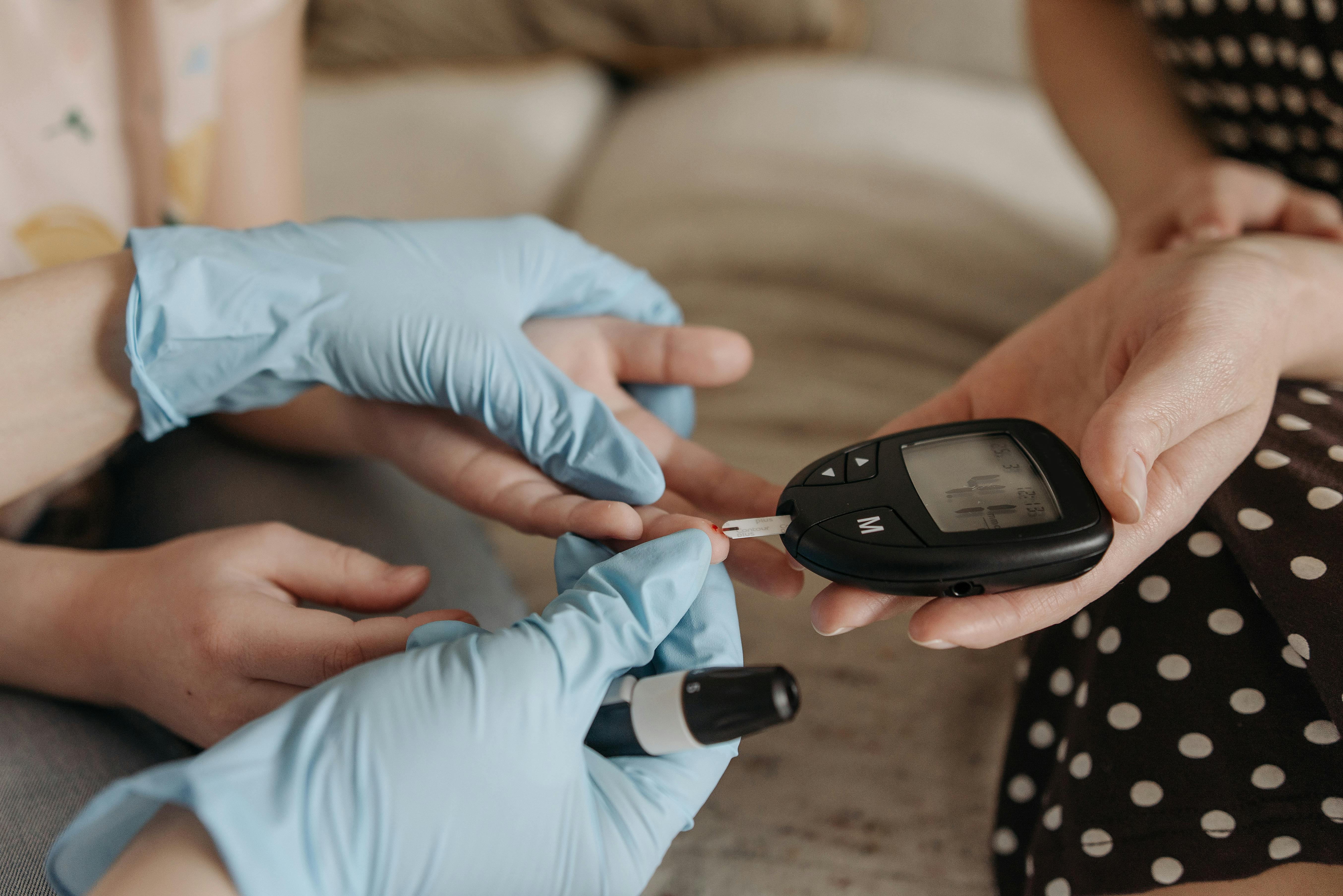
Getting diagnosed for a chronic disease—whether diabetes, cardiac disease, arthritis, or a hundred other conditions—can feel as though a door has closed shut on the life you once knew. Suddenly, the future may appear colored in hues of restriction, drugs, and frequent medical appointments. It is an intimidating and occasionally isolating one. Still, a fresh story is developing that swaps simple survival for a lively idea of thriving.
This process is about radically changing your connection with the disease rather than refusing its reality. Effective chronic disease management, a proactive and all-encompassing strategy empowering people to recover control, discover fresh levels of strength, and build a life rich with purpose and happiness even amid health obstacles, forms the core of this transforming approach. It’s the art of living totally under careful management.
The New Long-Term Health Landscape
The days when chronic disease management was a passive event, governed just by quarterly doctor’s appointments and a prescription bottle, are long gone. Modern knowledge of long-term health is participative and dynamic. It accepts that a sickness could be a part of your life, but it need not shape your identity or control your future.
First and foremost, important is this change in perspective. It turns the path from victimhood to one of active leadership, whereby you are armed with the skills and information necessary to go forward.
What Holistic Chronic disease management Really Entails?
For many, management conjures up clinical procedures and medicine schedules. Although these are essential elements, they are only one small piece of a much greater picture. Real, all-encompassing chronic disease treatment is a many-pronged project integrating many important elements of wellness.
The foundation is the medical pillar. This comprises regular monitoring of important health indicators like blood pressure or blood sugar, following prescribed treatment programs, consistent contact with your healthcare providers, and attending scheduled screenings. It is the non-negotiable standard of your care. But constructed right on top of this is the physical pillar.
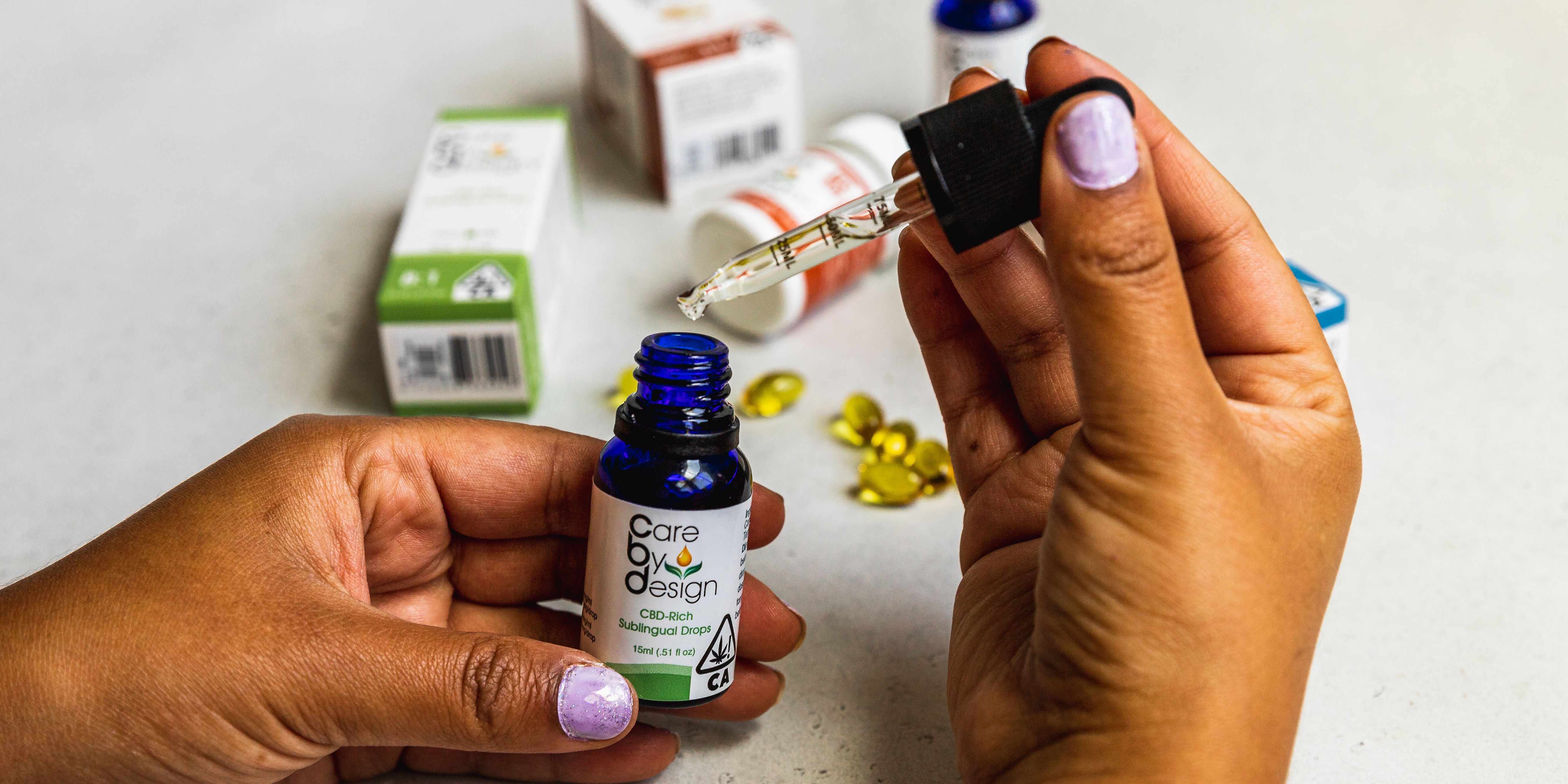
Chronic disease management daily grind might be extremely difficult on mental health, causing burnout, anxiety, and sadness. Good management thus has to entail conscious attention for both your thoughts and spirit. Examples of this include mindfulness and meditation to manage stress; therapy or counseling to help process the emotional weight of your diagnosis; and support group attendance to meet others who really understand your situation. Complementary wellness practices, such as a nattokinase supplement, can also support overall health. This emotional toughness is the gasoline that drives you through the harder days; it is not a luxury.
Developing Your Personalized Management Toolbox
Building a sustainable life with a chronic ailment calls for realistic methods. The aim is to naturally incorporate management into your life so it turns into a helping rhythm rather than a heavy task. Begin with a careful organizer. Track symptoms, medicines, and questions for your doctor using a specialized journal or a digital tool.
This converts fuzzy ideas into real facts that might help guide more effective treatment changes. Also vital is preparation. Make sure you have quick access to good choices by scheduling your meals for the week. Keep a flare-up kit stocked with comfort products, quick-to-prepare meals, and distractions for when symptoms worsen.
Managing Invisible Symptoms
For many, the most difficult parts of a chronic illness are the invisible ones—the severe tiredness that rest won’t fix, the never-ending pain becomes a regular buddy, and the erratic character of flare-ups. These components can be isolating because others might not recognize or understand the hardship. Controlling these facts calls for particular skills. With tiredness, it’s about paying attention to the whispers your body has before it has to yell, not just about basic fatigue.
Mindset and the Strength of Connection
Though it is a lonely path, the path of chronic disease is not one you must traverse alone. Creating a good support network is a healing act. Connecting with peers who are on comparable paths greatly complements this network, which also includes friends and family. Either physically or electronically, support groups offer a venue where you may be completely true and express both successes and difficulties without worry of criticism. This sense of community is a strong antidote against solitude.
Final Word
In the end, your attitude is the most potent weapon in your arsenal. Finding purpose in the experience and developing resiliency can radically change its effects. This has nothing to do with false optimism or acting as if everything is perfect. It is about accepting the challenge and intentionally deciding to concentrate on what you may influence.
Finding little daily moments of happiness and thankfulness is what it is all about. It is about using the viewpoint that illness often brings to define your priorities—to invest deeply in relationships and activities that are really important. This change lets you view yourself as a resilient, complicated person living with a health issue rather than as a patient. This is the core of fully realized living.
Though surely a life-altering experience, a diagnosis of a chronic illness does not have to be a life sentence of restriction. Using a modern, all-compassing approach to chronic disease management will help you move from fear and reaction to one of empowerment and active production. One is always learning, changing, and developing.
It concerns creating a life that is not constrained by but rather recognizes your condition. Finding a more resilient, more deliberate, and more profoundly grateful for life than you ever imagined is what it is about. You are becoming an expert at living well rather than simply controlling a sickness.
Visit ravoke.com for additional resources and knowledge on wellness and related issues.





Leave a Reply