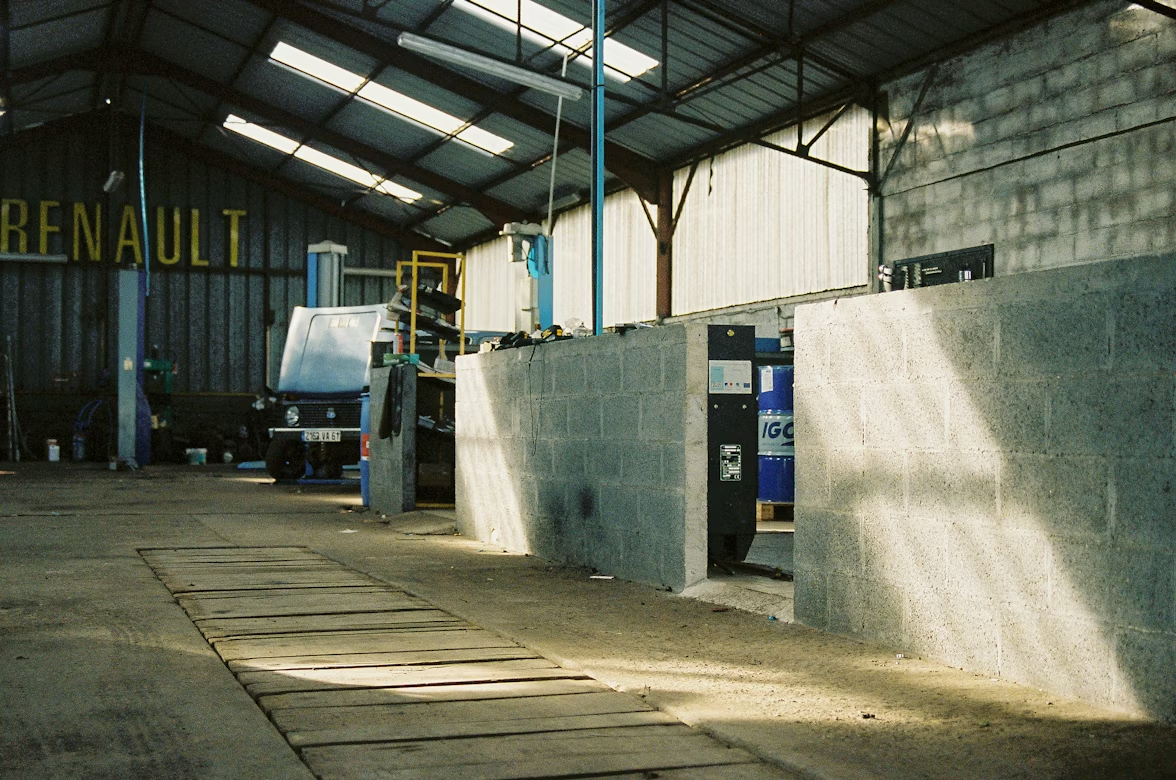
In industrial projects, surface preparation is more than a preliminary step, it is a critical factor that determines the success and longevity of coatings, sealants, or treatments.
Whether in manufacturing, construction, or maintenance, how surfaces are prepared impacts adhesion, durability, and performance.
Failing to invest in proper preparation often leads to defects, increased costs, and wasted materials.
Modern industrial surface prep involves a combination of techniques, equipment, and skilled professionals. By following best practices, organizations can guarantee that surfaces are consistently clean, smooth, and ready for treatment, improving project outcomes.

Comprehensive Assessment and Cleaning
The first step in effective surface preparation is a thorough assessment. Identifying issues such as rust, old coatings, oil, grease, or dirt is critical before starting any work. Surfaces must be evaluated for structural integrity, water content, and any hidden damage that could compromise adhesion or longevity.
Once the assessment is complete, cleaning becomes the priority. Removing contaminants guarantees that coatings bond correctly and perform as intended.
Methods can include power washing, abrasive blasting, or chemical cleaning, depending on the type of surface and the project requirements.
Proper dust and debris management is important to maintain safety and quality standards. Surface preparation specialists from Niagara Machine say that guaranteeing every particle is removed before applying coatings dramatically reduces the likelihood of defects and extends the life of industrial treatments. Assessing and cleaning the surface thoroughly provides a strong foundation for subsequent steps and minimizes costly rework.
Mechanical and Abrasive Techniques
Mechanical preparation is critical for achieving the desired texture and profile on a surface. Techniques such as sandblasting, shot blasting, grinding, or wire brushing create a uniform roughness that improves adhesion.
Each method has its own benefits depending on the material type and the coating or treatment being applied.
Abrasive techniques are effective for removing rust, old paint, or other stubborn residues. They create the micro-texture necessary for modern coatings to bond successfully.
Choosing the right abrasive material and method guarantees that the surface is not overworked or damaged during the process.
Surface Water and Contaminant Control
Even the cleanest surfaces can fail if water or residual contaminants remain. Industrial surface prep often includes drying and testing surfaces for water content in environments with high humidity or in substrates prone to water absorption.
Controlling airborne contaminants is equally important. Dust, dirt, or debris during prep can interfere with coatings and lead to weak adhesion or uneven finishes.
Using extraction systems, dust collectors, and proper ventilation guarantees that the environment supports high-quality results.
Precision With Chemical and Solvent Cleaning
Some surfaces require chemical cleaning or solvent applications to remove oils, greases, or oxidation that mechanical methods cannot eliminate. These treatments must be applied carefully, following safety protocols and manufacturer guidelines.
Chemical cleaning improves surface energy, which improves bonding for paints, epoxies, or sealants.
Neutralizing residues after chemical application is important to prevent future reaction with coatings. Properly executed chemical prep complements mechanical methods and guarantees surfaces are fully ready for treatment.
Inspecting Surface Profile and Texture
Surface profile, the roughness and texture of a prepared surface, plays a critical role in adhesion. Measuring and inspecting the profile using gauges or visual standards guarantees that coatings adhere as intended.
Too smooth a surface can lead to peeling, and an overly rough surface may trap air bubbles or result in uneven finishes.
Experienced prep teams monitor the profile continuously during the process, making adjustments as needed to maintain optimal standards. Attention to detail in this step prevents long-term issues and guarantees consistent, high-quality results.
Layering Protection and Primer Application
Once a surface is prepped, applying primers or protective layers can improve adhesion and durability.
Primers fill micro-imperfections, prevent corrosion, and act as a bonding bridge for subsequent coatings. Correct primer selection depends on the type of substrate and the coating system being used.
Applying primer evenly and at the recommended thickness guarantees the best possible foundation for topcoats. This step contributes significantly to long-term performance and protects the surface from environmental stressors.

Regular Maintenance and Quality Checks
Even after preparation and coating, ongoing inspection and maintenance are key to guaranteeing durability. Regular checks for adhesion, wear, or environmental damage allow teams to address small issues before they escalate.
Documenting prep methods, materials used, and results creates a reference for future projects, helping maintain consistency and quality across industrial operations.
Preventive measures, including routine cleaning and touch-ups, prolong the effectiveness of coatings and reduce the need for large-scale repairs.
Modern industrial surface preparation requires a combination of assessment, cleaning, mechanical and chemical techniques, and ongoing quality control.
Proper surface prep guarantees that coatings and treatments adhere effectively, resist wear, and perform as intended, reducing rework and extending the life of industrial projects.
Leveraging the expertise of professionals, following best practices, and using the right equipment guarantees that industrial surfaces are prepared efficiently and with precision, setting the stage for long-term project success.



Leave a Reply