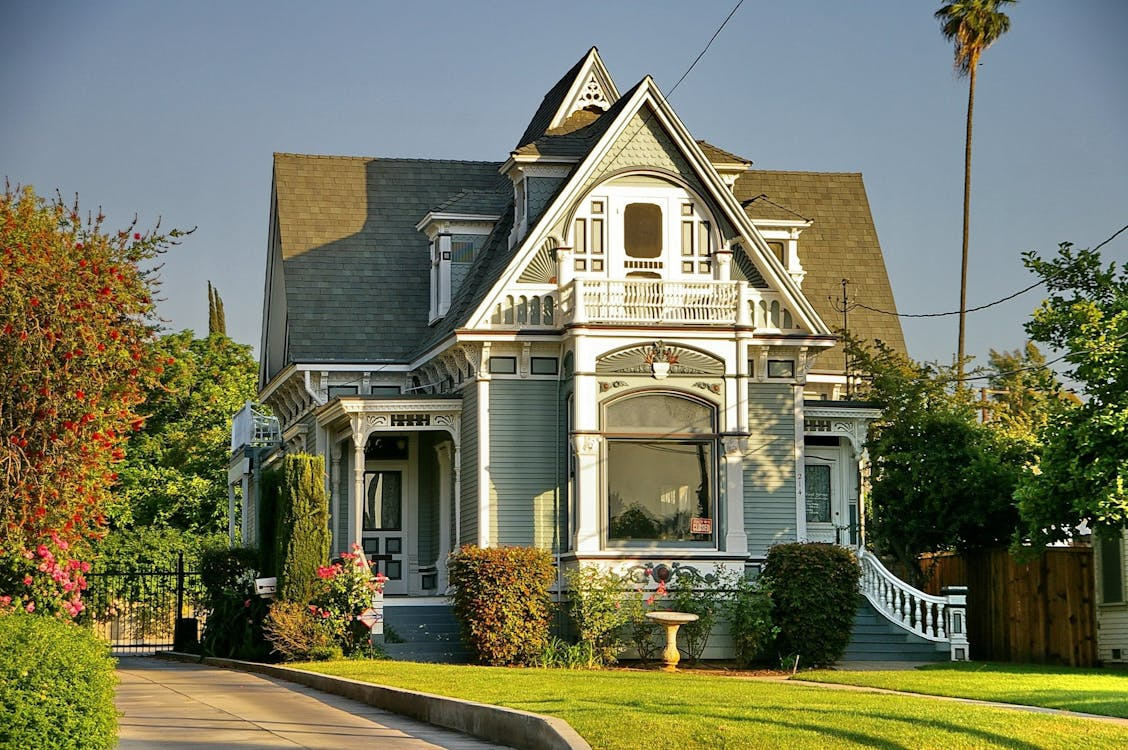
Creating a welcoming and polished exterior is one of the most impactful ways to boost a property’s visual charm. Many homeowners find that small adjustments, combined with thoughtful design choices, can transform the way a home is perceived. Curb appeal shapes first impressions, influences property value, and sets the tone for what visitors or potential buyers can expect inside. This guide explores practical steps that help homeowners elevate the look of their exterior without unnecessary complication.

Understanding Architectural Features That Define Your Home
Every house has unique structural elements that contribute to its personality, and learning how to highlight them can dramatically improve curb appeal. Rooflines, window placement, siding textures, and porch layouts all influence how the home presents itself from the street. Some homeowners explore different exterior forms, such as the mansard roof style, to understand how distinctive designs can shape character. Whether your home leans traditional or modern, identifying its most striking features gives you a roadmap for improvements.
Accents like trim, shutters, or gables can be refreshed with updated colors to create contrast. Lighting mounted along architectural edges can bring out dimension during the evening hours. Clean lines and properly maintained finishes further reinforce that the home is cared for.
When architectural features are emphasized thoughtfully, they provide a strong foundation for all other curb appeal upgrades.
Refreshing Exterior Color and Finishes
Paint and finish treatments play a powerful role in curb appeal, influencing mood and visual depth. Many homeowners choose color palettes that balance individuality with harmony, ensuring the house complements its surroundings.
Updating siding or trim with fresh paint instantly revitalizes a worn exterior, creating a crisp and polished impression. Accent colors can bring attention to window frames, doors, or decorative components. Finishes with a subtle sheen often add sophistication without overwhelming the structure.
When selecting shades, look at how natural light interacts with the house during different parts of the day. Consider permanent elements like roofing or stonework, choosing tones that work in tandem rather than clash.
Elevating Entryway Presence
The entryway sets the stage for the entire home, offering a natural focal point for curb appeal improvements. Homeowners often update front doors with bold colors, new hardware, or upgraded designs that complement the architectural tone.
Clear pathways create a sense of welcome and guide the eye toward the entrance. Lighting fixtures near the door can introduce warmth and improve visibility after dark. Planters or small decorative arrangements offer seasonal flexibility and a personal touch.
House numbers that are modern, legible, and well-placed contribute to a clean, organized look. Even small structural updates, such as repairing steps, refreshing railings, or power-washing surfaces, can dramatically improve visual impact.
Creating a Landscape That Frames the Home
Landscaping has the ability to soften hard lines and introduce color, motion, and texture to the property. Thoughtfully selected plants bring balance, guiding the viewer’s eye across the space without overwhelming the architecture.
Regular trimming, mulching, and weeding keep gardens tidy and visually appealing. Many homeowners experiment with layers to add dimension, placing taller shrubs near the structure and shorter ones closer to walkways. Seasonal interest keeps the exterior lively throughout the year. Outdoor décor should be used sparingly to maintain a clean, uncluttered feel.
To keep the upgrades manageable, some homeowners focus on simple touches that produce consistent visual rewards. Consider the following features when shaping your landscape design:
- Plants with varied heights to create a natural flow
- Pathway borders that define walking areas
- Ground cover that adds color while reducing maintenance
- Shrubs that highlight corners or architectural details
Improving Outdoor Lighting for Ambience and Safety
Lighting plays a dual role by elevating aesthetics and improving nighttime visibility. Well-placed fixtures highlight key architectural features, illuminate pathways, and create an inviting glow. Soft lighting can enhance plants and outdoor structures, giving the home a refined appearance after sunset.
Many homeowners select energy-efficient options that offer reliability and longevity. Motion lighting near entries adds convenience and provides a sense of security. Fixtures should match the style of the home, contributing to a cohesive theme rather than distracting the eye.
Maintenance is simple when bulbs, wiring, and surfaces are checked regularly. When lighting works in harmony with the rest of the exterior, it enhances beauty in a subtle but meaningful way.
Maintaining Cleanliness and Structural Condition
Clean surfaces and well-kept structures make a home appear consistently polished. Routine inspections help identify peeling paint, cracked walkways, sagging gutters, or worn siding before they become major concerns.
Power washing driveways, patios, and exterior walls removes dirt that dulls the home’s appearance. Tidying storage areas, removing debris, and organizing outdoor items keep the property looking intentional.
Even small repairs have a noticeable impact. A home that appears structurally sound and cared for sends a positive message to visitors and potential buyers. Consistent upkeep prevents minor issues from turning into costly repairs, protecting both appearance and value.

Maximizing curb appeal depends on a combination of thoughtful design choices, consistent care, and smart improvements. When architectural features, color selections, landscaping, and maintenance work together, the home gains a more attractive and unified presence. With a clear plan and attention to detail, homeowners can shape an exterior that feels welcoming, stylish, and truly reflective of their personal vision.




Leave a Reply