Depression and obsessive-compulsive disorder can significantly impact daily life, especially when traditional treatments like medication and talk therapy don’t provide adequate relief. For residents in Raleigh, North Carolina, an innovative option has emerged that offers new hope for those struggling with these conditions.
Transcranial Magnetic Stimulation (TMS) therapy is an FDA-approved, non-invasive treatment that uses magnetic pulses to stimulate nerve cells in the brain, specifically designed for adults and adolescents with treatment-resistant depression and OCD. Unlike medications that affect the entire body, TMS directly targets the neurological basis of mood disorders through focused stimulation of specific brain regions.
Multiple treatment centers throughout Raleigh now offer TMS therapy, providing local access to this advanced treatment option. The therapy requires no anesthesia, produces minimal side effects compared to traditional approaches, and allows patients to continue their normal activities immediately after each session.
TMS Therapy for Depression and OCD in Raleigh, NC
Transcranial magnetic stimulation offers FDA-approved treatment for adults and adolescents experiencing treatment-resistant depression and obsessive-compulsive disorder. Multiple clinics throughout Raleigh provide this noninvasive therapy option for patients who have not achieved adequate relief from traditional treatments.
How TMS Treats Depression and Obsessive-Compulsive Disorder
TMS therapy uses electromagnetic pulses to stimulate specific nerve cells in the brain that regulate mood and behavior. The treatment targets the prefrontal cortex, an area often underactive in individuals with depression.
For depression treatment, the magnetic fields activate neurons responsible for mood regulation. This stimulation helps restore normal brain activity patterns and reduces depression symptoms over time.
When treating obsessive-compulsive disorder, TMS targets different brain regions involved in repetitive thoughts and compulsive behaviors. The therapy modulates neural circuits that contribute to OCD symptoms.
Each treatment session lasts approximately 20-40 minutes. Patients remain awake and alert throughout the procedure, which requires no anesthesia or sedation.
FDA-Approval and Safety Profile
The FDA approved TMS therapy for treatment-resistant depression in adults in 2008. Adolescent approval for major depressive disorder followed for patients aged 15-21.
In 2018, the FDA cleared TMS as an adjunctive treatment for obsessive-compulsive disorder in adults. This approval expanded treatment options for patients managing OCD alongside other therapies.
The safety profile demonstrates minimal side effects compared to antidepressant medications. Common side effects include mild scalp discomfort or headache at the treatment site, which typically diminish after the first few sessions.
TMS does not cause systemic side effects such as weight gain, sexual dysfunction, or sedation. Patients can drive themselves to appointments and return to normal activities immediately after treatment.
Ideal Candidates for TMS Therapy
Individuals with treatment-resistant depression who have tried multiple antidepressants without sufficient relief often qualify for TMS therapy. Patients must have a diagnosis of major depressive disorder confirmed by a psychiatrist.
Adults with OCD seeking adjunctive treatment alongside existing therapies may benefit from TMS. The therapy works best when integrated into a comprehensive treatment plan.
Candidates should not have metal implants in or near the head, including cochlear implants or aneurysm clips. Patients with a history of seizures require careful evaluation before starting treatment.
Those unable to tolerate medication side effects find TMS particularly valuable. Pregnant or breastfeeding women seeking medication-free options also consider this therapy.
Conditions That May Benefit from TMS
Beyond depression and OCD, research explores TMS applications for various neurological and psychiatric conditions. Anxiety disorders show promising response rates in clinical studies.
Some Raleigh providers investigate TMS for ADHD treatment, targeting brain regions involved in attention and impulse control. Early research suggests potential benefits for focus and concentration.
Chronic pain conditions may respond to TMS through modulation of pain processing pathways in the brain. Studies examine effectiveness for fibromyalgia and neuropathic pain.
Post-traumatic stress disorder represents another area of TMS research. The therapy may help regulate fear responses and emotional processing in PTSD patients, though this remains an off-label application requiring further investigation.
TMS Therapy Process and Raleigh NC Treatment Centers
The TMS treatment journey involves multiple sessions at specialized facilities, and Raleigh offers several established clinics that provide this FDA-approved therapy using advanced magnetic stimulation equipment.
What to Expect During TMS Treatment
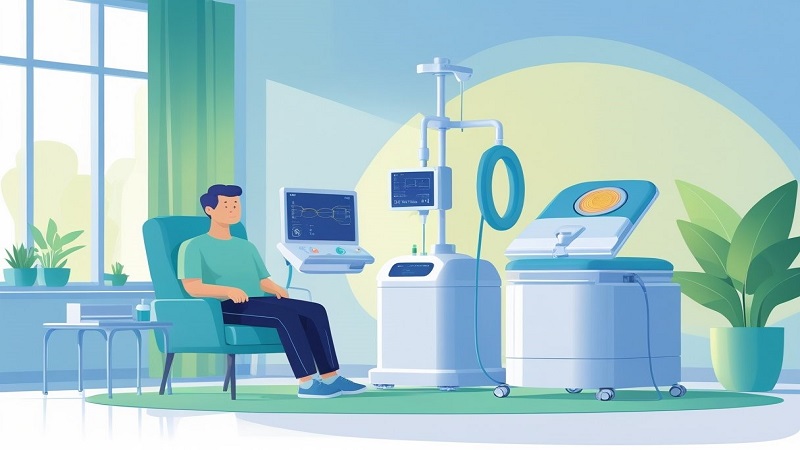
TMS therapy typically requires sessions five days per week for four to six weeks. Each session lasts approximately 20 to 40 minutes, during which patients remain awake and alert. The patient sits in a comfortable chair while a magnetic coil positions against the scalp near the forehead.
The device delivers focused magnetic pulses to specific brain regions involved in mood regulation. These pulses stimulate underactive nerve cells without requiring anesthesia or sedation. Most patients describe a tapping sensation on the scalp during treatment.
Common treatment timeline:
- Initial consultation and mapping session
- Daily sessions Monday through Friday
- 20-40 minutes per session
- 4-6 week treatment course
- No downtime or recovery period needed
Patients can drive themselves to appointments and return to normal activities immediately afterward. Many TMS clinics coordinate care with medication management and psychotherapy providers to ensure comprehensive treatment.
Selecting a TMS Clinic in Raleigh
Raleigh offers multiple TMS centers, including TMS of the Carolinas, Greenbrook Mental Wellness Centers North Raleigh, and several psychiatry practices. When choosing a TMS clinic, patients should verify the provider’s experience with brain stimulation therapies and FDA-approved equipment.
Most major insurance plans cover TMS therapy for treatment-resistant depression. Clinics typically offer consultations to determine candidacy and verify coverage. The location convenience matters since treatment requires frequent visits over several weeks.
Key selection factors:
- Insurance acceptance and verification services
- Equipment type (NeuroStar, Magstim, or other FDA-cleared systems)
- Staff credentials and experience level
- Location accessibility for daily appointments
Patients should inquire about the clinic’s success rates and whether they provide integrated services like medication management alongside TMS therapy.
Technology Used in Local TMS Centers
Raleigh TMS providers use FDA-approved systems including NeuroStar Advanced Therapy and other certified devices. NeuroStar remains widely available at facilities like TMS of the Carolinas and Greenbrook locations. These systems deliver precise magnetic pulses at specific frequencies to target depression and OCD symptoms.
The technology has evolved to include advanced brain mapping capabilities that customize treatment to individual patient anatomy. Magstim and similar manufacturers produce equipment used across various Raleigh facilities. All FDA-cleared devices meet strict safety and efficacy standards established through clinical trials.
Treatment parameters adjust based on patient response and tolerability. The magnetic field strength remains below levels that cause discomfort while effectively stimulating neural pathways.




Leave a Reply