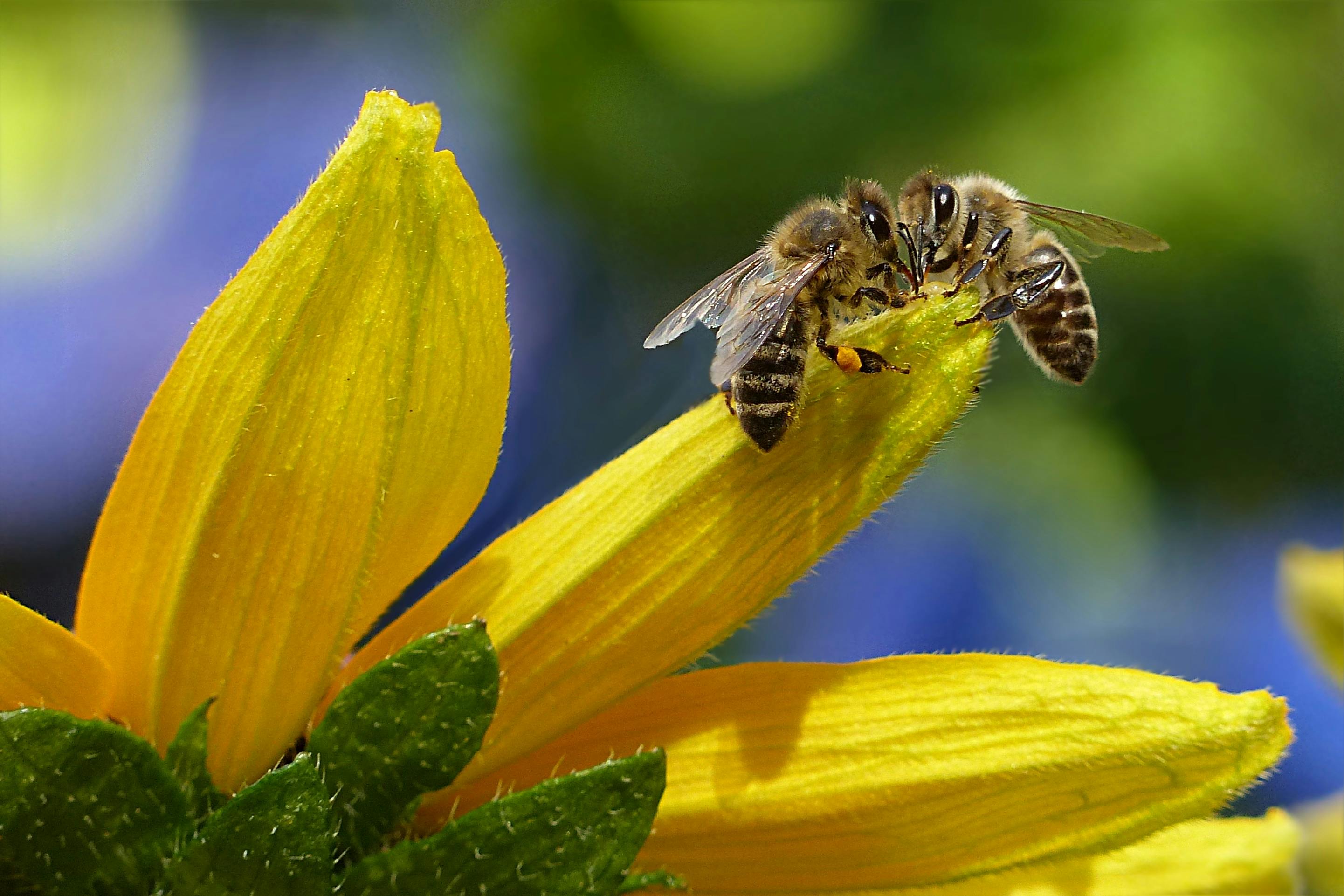
If you have ever watched a honeybee drift between blossoms on a warm day, you may have felt that subtle pull toward beekeeping. Across Canada, more people are discovering that keeping bees is more than a hobby. It is a rewarding way to connect with nature, support local pollination and contribute to healthier ecosystems. Whether you live on a rural property or maintain a modest suburban garden, beekeeping offers a satisfying blend of curiosity, care and hands-on learning.
Before diving into the daily rhythms of hive life, many aspiring keepers look for clear and grounded advice they can trust. Early preparation helps build confidence and ensures your first season sets the foundation for years of successful stewardship. For many beginners, exploring tools such as beekeeping starter kits can be a helpful way to understand what equipment is essential without feeling overwhelmed. Once the basics are sorted, the real adventure begins.
Understanding Bee Behaviour and Seasonal Flow
At the heart of beekeeping is the ability to read the hive. Bees are remarkably organized, guided by instincts that revolve around survival, growth and cooperation. Observing these patterns helps you recognize what is normal, what needs attention and how your actions influence the colony.
In early spring, colonies begin expanding. The queen increases egg laying, workers forage for nectar and pollen as soon as temperatures allow and comb building picks up speed. This growth period is exciting for new keepers because it offers the clearest window into how bees operate.
Midseason brings its own challenges, including swarm prevention and ensuring the colony has enough space for brood and honey storage. Later in the year, the focus shifts to preparing for winter. Canadian climates can be demanding, so ensuring bees have adequate food reserves, proper ventilation and shelter from moisture is key. Each stage teaches something new, making beekeeping a continuous learning process grounded in observation and care.
Creating an Ideal Environment
One of the most enjoyable parts of getting started is designing a space where your bees can thrive. Bees do not require a large area, but they do benefit from thoughtful placement. Choose a spot with morning sun, shelter from strong winds and access to clean water. If neighbours are close by, maintaining friendly communication and adding simple barriers like hedges or fencing helps guide flight paths upward, minimizing unwanted encounters.
Gardens filled with native plants offer a steady source of forage throughout the season. Many Canadian wildflowers, shrubs and fruiting plants provide excellent nectar and pollen sources, helping bees maintain strong nutrition. Even if you do not have acres to plant, a collection of well-chosen blooms can make a meaningful difference.
Essential Skills to Develop Early
Starting slowly and focusing on core skills helps build confidence. A few foundational practices include:
1. Opening and Inspecting the Hive
Handling frames gently and calmly is an art. Regular inspections help you understand colony health, detect pests and ensure the queen is performing well.
2. Recognizing Brood Patterns
Healthy brood indicates a healthy colony. Over time you will learn to spot the difference between worker and drone cells, identify unusual patterns and catch early signs of trouble.
3. Monitoring Food Stores
Depending on the season, bees may need supplemental feeding. Understanding when and what to provide helps support the colony without interfering with natural behaviours.
4. Managing Pests and Diseases
Varroa mites, small hive beetles and other challenges can affect colonies. Early detection, combined with an integrated pest management approach, keeps problems under control.
These skills develop naturally as you spend time with your hives. Nobody becomes an expert overnight. The strength of a new keeper lies in consistency, curiosity and patience.
Keeping Bees Responsibly
Bees require stewardship that respects both the insects and the surrounding community. Responsible beekeeping prioritizes biosecurity, ethical hive management and land stewardship. A few considerations:
Support local genetics.
Locally adapted bees tend to survive winters better and cope with regional pests. Many Canadian breeders work hard to maintain strong lines that suit local climates.
Avoid overcrowding.
While it can be tempting to expand quickly, too many hives in a small area can strain forage resources and increase disease transmission. Start small and expand only when conditions support it.
Stay informed.
Joining a local beekeeping association, participating in community workshops or connecting with experienced keepers can make your journey much smoother. These networks offer guidance that books and videos alone cannot match.
Planning for Your First Harvest
The idea of extracting your own honey is exciting, but patience pays off. New colonies often need their first season to build enough comb, grow their numbers and produce winter stores. Harvesting too early can compromise survival. If your bees do produce surplus honey, extraction can be done at home using basic tools or through community honey-processing facilities if available.
Honey quality reflects the surrounding environment. Wildflower honey from northern forests tastes different from the honey produced in prairie communities or coastal regions. This natural diversity is part of what makes small-scale beekeeping so rewarding. Each jar holds the imprint of the landscape your bees explored.
Preparing for Winter
Across Canada, winter preparation is one of the most critical responsibilities. Healthy colonies that enter winter with abundant food and reduced mite loads have the highest chance of success. Key tasks include:
- Verifying honey reserves are adequate.
- Ensuring the hive has proper ventilation to prevent condensation.
- Reducing entrances to keep out cold winds and unwanted pests.
- Securing the hive against shifting snow and curious wildlife.
Winter is the quiet season for beekeepers. Although there are fewer hands-on tasks, this period offers time to reflect, study and plan for the coming spring.
The Joy of the Beekeeping Lifestyle
What makes beekeeping special is the relationship you build with these small but remarkable creatures. Their world operates with rhythm, cooperation and purpose, offering lessons in patience, observation and respect for nature. Many keepers find that tending hives brings a calming sense of routine. Others appreciate the environmental impact their bees have on gardens, farms and neighbouring ecosystems.
Beekeeping also fosters community. From local workshops to online groups, you will find people eager to share advice, troubleshoot challenges and celebrate successes. Whether you are harvesting your first frame of capped honey or simply sitting near the hive listening to the gentle hum, the experience is meaningful in ways that extend far beyond the equipment or the honey itself.
Final Thoughts
Starting your beekeeping journey is both accessible and deeply fulfilling. With thoughtful preparation, a reliable understanding of bee behaviour and steady attention to seasonal rhythms, anyone can become a capable and confident keeper. The learning never ends. Each year brings new insights, challenges and rewards.
If you are ready to invite bees into your life, embrace the process with patience and curiosity. Your backyard may soon become a thriving space where pollinators flourish, plants thrive and the simple miracle of a working hive unfolds before your eyes.




Leave a Reply