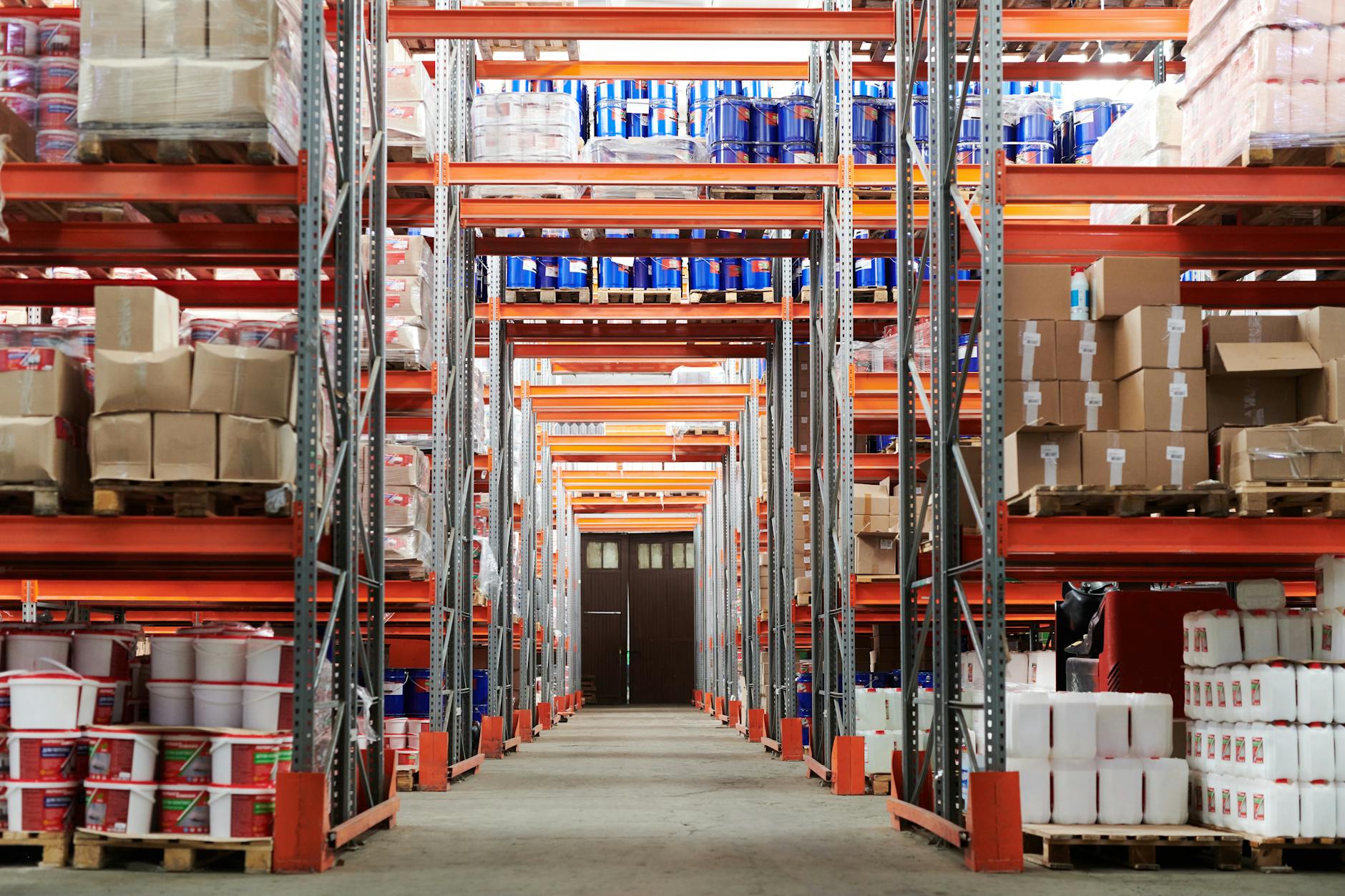
Warehouse efficiency rarely breaks down overnight. More often, performance declines gradually as small inefficiencies accumulate. Missed inventory counts, longer picking times, and higher labor costs are usually symptoms of a deeper issue: disorganization.
While automation and warehouse management systems receive much of the attention in modern logistics, the physical organization of inventory remains the foundation of operational success. A structured, predictable storage environment reduces waste, improves accuracy, and positions facilities for sustainable growth.
The Real Price of Inefficiency
Disorganization in a warehouse rarely appears as a dramatic failure. Instead, it shows up in subtle but costly ways:
- Employees spending excessive time searching for products
- Repeated inventory recounts
- Congested aisles slowing equipment movement
- Damaged goods caused by improper storage
- Workarounds replacing standard procedures
Each of these issues may seem minor in isolation. However, over time they compound, increasing labor costs and impacting delivery performance. When supervisors rely on quick fixes instead of structured systems, inefficiency becomes embedded in daily operations.
Often, what appears to be a staffing or productivity issue is actually a layout and organization problem.
Cost-Effective Improvements Without Major Overhauls
Improving warehouse organization does not necessarily require a full facility redesign or expensive automation upgrades. Many warehouses achieve measurable gains through strategic adjustments to layout and storage infrastructure.
Reconfiguring aisle widths, repositioning high-demand inventory, or upgrading rack systems can significantly enhance flow. Budget-conscious facilities sometimes explore secondary-market storage solutions, such as used pallet racking, to improve structure while controlling capital expenditures. Pairing these physical upgrades with dock management software like DataDocks can further reduce dock congestion by tightening appointment scheduling, improving yard visibility, and cutting carrier wait times.
The key is ensuring that all storage systems meet safety standards and load requirements. Organization should always enhance safety, not compromise it.
Building Efficiency From the Ground Up
A high-performing warehouse begins with a clearly defined storage framework. Storage systems provide structure—both physically and operationally. Without defined storage boundaries, processes become difficult to enforce consistently.
Effective storage structure includes:
- Clearly defined rack configurations
- Standardized pallet positions
- Logical product grouping
- Consistent spacing and aisle planning
When every product category has a designated storage strategy, employees can work more intuitively. This reduces errors and improves throughput.
Strategic Zoning for Faster Operations
One of the most effective organizational strategies is zoning. Dividing the warehouse into purposeful areas helps align physical layout with operational demand.
Common warehouse zones include:
- Fast-moving inventory
- Bulk storage
- Returns processing
- Overflow or seasonal inventory
- Packing and shipping
High-velocity items should be placed closer to packing and shipping areas to minimize travel time. Slower-moving goods can be positioned in higher or less accessible locations without impacting daily flow.
Zoning ensures that layout decisions are driven by data and demand patterns, rather than convenience or habit.
Improving Inventory Accuracy Through Predictability
Inventory accuracy depends heavily on consistency. When products are always stored in predictable locations and replenished using standardized rules, discrepancies become easier to detect and correct.
Organized storage supports:
- Faster and more accurate cycle counts
- Reduced stockouts
- Simplified onboarding for new employees
- Stronger demand forecasting
In many cases, improving physical organization resolves recurring inventory errors without requiring new software or system changes. Structure creates visibility, and visibility strengthens accountability.
Reducing Handling and Touchpoints
Every time inventory is handled, it adds labor cost and increases the risk of damage. Poor organization often forces products to be moved multiple times before reaching their final storage location.
An organized warehouse minimizes unnecessary touchpoints by:
- Assigning clear receiving-to-storage paths
- Storing products as close as possible to their long-term position
- Avoiding temporary staging areas that become permanent clutter
Fewer touches mean less congestion, lower damage rates, and reduced labor hours.
The Safety Impact of Organized Storage
Organization directly affects workplace safety. Cluttered aisles, inconsistent stacking, and overloaded shelving create preventable hazards.
Well-organized warehouses offer:
- Clear travel paths for forklifts and pedestrians
- Balanced and properly rated storage loads
- Reduced risk of falling inventory
- Predictable movement patterns
When employees know exactly where inventory belongs and how it should be handled, improvisation decreases. Fewer shortcuts lead to fewer accidents.
Safety improvements not only protect employees but also reduce liability and product loss.
Boosting Labor Productivity and Morale
Disorganized environments increase frustration. When workers must constantly search for products or correct recurring mistakes, productivity declines and morale suffers.
Organized facilities reduce cognitive strain. Employees can focus on execution rather than troubleshooting layout problems. Clear structure also strengthens accountability. When processes and storage rules are defined, performance issues can be identified and addressed more constructively.
A predictable environment supports consistent results.
Organization as an Ongoing Discipline
Warehouse organization is not a one-time cleanup project. As product lines expand and customer demand shifts, layouts must evolve.
Sustainable organization requires:
- Routine layout reviews
- Performance metric analysis
- Employee feedback loops
- Incremental adjustments
Small, continuous improvements prevent larger disruptions later. Regularly assessing travel times, pick accuracy, and congestion points helps identify areas that need refinement.
Adaptability ensures organization remains aligned with operational realities.
Designing for Scalable Growth
As warehouses grow, inefficiencies scale quickly if left unchecked. Adding volume without strengthening structure often amplifies confusion.
Scalable organization depends on:
- Standardized storage logic
- Consistent labeling systems
- Flexible rack configurations
- Clear operating procedures
When structure is embedded in daily operations, adding new inventory, staff, or product lines becomes manageable rather than chaotic.
A scalable warehouse is one where growth increases capacity—not complexity.
The Long-Term Payoff
Warehouse organization directly influences cost control, operational accuracy, and workforce performance. Structured storage systems, logical zoning, and predictable workflows eliminate hidden inefficiencies that gradually erode profitability.
An organized warehouse is easier to manage, safer to operate, and more resilient under pressure. It supports faster fulfillment, improved inventory confidence, and better employee engagement.
In competitive supply chains where margins are tight and customer expectations are high, organization is not optional—it is foundational.
By treating warehouse organization as a strategic priority rather than an afterthought, businesses create facilities that are efficient today and prepared for tomorrow’s demands.




Leave a Reply