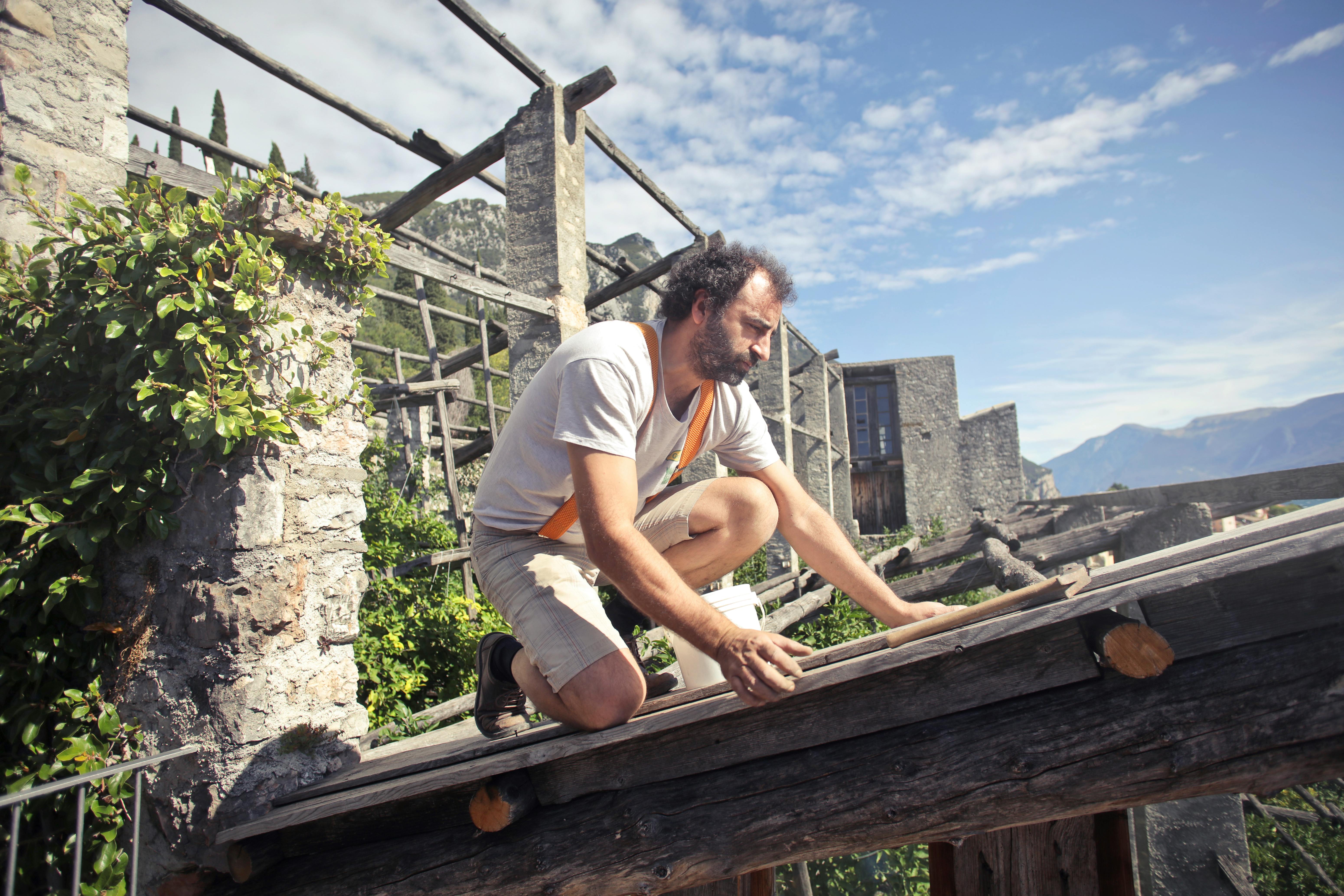
Commercial buildings must remain structurally sound, energy efficient, and safe for employees and visitors. The roof plays a crucial role in supporting these conditions, yet many property owners overlook how interconnected roofing performance is with daily business operations. Changes in weather, fluctuating temperatures, and long-term wear all affect how well a roofing system protects the building. When issues appear, they often disrupt operations, create safety risks, and raise maintenance costs.
This is why many businesses rely on Meridian Roofing and Renovation when searching for effective long-term building solutions. Commercial roofing provides a level of durability and engineering that meets the demands of large structures, complex layouts, and ongoing usage. These systems are designed to withstand environmental stress, reduce operational interruptions, and maintain interior stability. With the right roofing approach, businesses gain stronger protection for their employees, assets, and daily operations.
Understanding how commercial roofing supports business reliability helps owners make informed decisions about maintenance, upgrades, and long-term planning. A well-designed roofing system strengthens both the building and the business it serves.
Meeting the Structural Demands of Large Commercial Buildings
Commercial properties often have wider spans and more complex structural designs than residential homes. Flat roofs, multi-section layouts, and large mechanical installations require materials that can withstand greater load distribution. Weak roofing systems create risks such as sagging, pooling water, or compromised framing.
Commercial roofing addresses these needs by using reinforced materials, engineered support systems, and installation techniques that handle heavy loads. Roofs built for commercial applications are designed to remain stable under weight from snow, equipment, and varying weather conditions. This structural strength supports long-term building integrity and reduces the likelihood of costly failures.
Stronger materials help maintain stability across large building surfaces.
Supporting Business Continuity Through Reduced Disruptions
Roofing issues in a commercial environment can cause significant operational interruptions. Leaks, moisture intrusion, or material breakdown may require temporary closures or costly repairs. These interruptions affect productivity, customer service, and revenue.
Commercial roofing helps reduce disruptions by providing systems that resist leaks, minimize water intrusion, and maintain structural integrity over time. Routine inspections and maintenance support early problem detection, allowing businesses to address issues before they escalate. By preventing roof-related outages, companies maintain smoother daily operations.
Preventing disruptions protects productivity and long-term business performance.
Enhancing Energy Management Through Insulation and Reflective Materials
Energy efficiency is essential for controlling operational costs in commercial properties. Large buildings require precise climate control, and roofing performance directly influences heating and cooling demands. Poor insulation or roofing degradation allows heat transfer that strains HVAC systems and increases utility expenses.
Commercial roofing uses specialized materials to improve energy management. Insulated membranes, reflective coatings, and energy-efficient roofing systems help regulate indoor temperatures. These features reduce heat absorption during summer and maintain warmth during winter, lowering energy usage. With better insulation, businesses experience more predictable utility costs and improved climate control.
Enhanced energy performance supports long-term operational savings.
Managing Water Drainage for Flat and Low-Slope Roofs
Many commercial roofs are flat or low-sloped, which increases the importance of effective drainage. Without proper water flow, pooling occurs, leading to material weakening, structural stress, and leaks. Standing water also shortens the lifespan of roofing materials and creates safety hazards.
Commercial roofing systems incorporate drainage channels, tapered insulation, scuppers, and internal drains to support efficient water movement. Regular maintenance ensures that debris does not obstruct flow and that drainage remains functional throughout the year. Improved water management protects both the roof surface and the structure beneath it.
Effective drainage is essential for long-term roofing performance.
Supporting Safety Compliance for Employees and Visitors
Commercial buildings must comply with safety codes that include roofing conditions. Damaged roofs may expose the interior to moisture, mold, or unstable materials that put occupants at risk. Roof-related hazards can also affect maintenance crews working on or near the surface.
Commercial roofing ensures compliance by reinforcing material stability, maintaining safe access points, and reducing risks associated with deterioration. Proper installation and upkeep support building safety standards and help businesses meet regulatory requirements. This contributes to a safer environment for everyone who enters the property.
Safety-focused roofing supports responsible business operations.
Protecting Interior Systems and Equipment
Commercial spaces often house sensitive equipment such as HVAC units, electrical systems, inventory, and machinery. Even minor leaks can threaten these assets and cause expensive damage. Protecting interior spaces begins with maintaining a strong roofing system that prevents moisture penetration and structural wear.
Commercial roofing is designed to protect interior systems by reducing the likelihood of leaks and structural weaknesses. High-quality membranes, reinforced seams, and weather-resistant coatings form a barrier that shields the building from environmental stress. This ensures that interior equipment remains preserved and functional.
Strong protection helps safeguard critical operational assets.
Extending Roof Lifespan Through Professional Maintenance
Commercial roofs require consistent oversight to remain effective. Due to their size and design, minor issues can quickly grow into major concerns if left unaddressed. Regular inspections and targeted repairs help preserve material performance and prevent unexpected failures.
Commercial roofing maintenance programs include detailed evaluations, material updates, and reinforcement of vulnerable areas. Meridian Roofing and Renovation provides maintenance strategies that help businesses avoid premature roof replacement. When supported through professional maintenance, roofing systems achieve longer lifespans and more reliable performance.
Proactive care supports roofing longevity and financial stability.
Improving Exterior Appearance and Brand Perception
The condition of a commercial building directly influences how customers and clients perceive the business. A deteriorating roof signals neglect, while a well-kept exterior reinforces professionalism and care. Businesses benefit from maintaining buildings that reflect their brand values.
Commercial roofing enhances building appearance by creating clean, uniform surfaces in modern materials. Upgraded roofing systems support curb appeal and demonstrate a commitment to quality. This positive impression strengthens customer confidence and supports brand reputation.
A well-maintained roof reinforces a positive business image.
Supporting Sustainable Business Initiatives
Sustainability is an important consideration for modern businesses. Roofing materials and installation techniques can influence a building’s environmental impact. High-efficiency systems reduce energy usage, while durable materials decrease waste generated through frequent replacement.
Commercial roofing options include energy-efficient membranes, recycled materials, and long-lasting systems that reduce environmental strain. These choices align with sustainability goals and support long-term ecological responsibility. Businesses that adopt these solutions benefit from lower operating costs and stronger environmental alignment.
Sustainable roofing contributes to responsible business practices.
Preparing Buildings for Future Growth and Adaptive Use
Commercial buildings often evolve over time as businesses grow or operations change. Roofing systems must adapt to these changes by supporting additional equipment, expansions, or reconfigured interior layouts. A flexible roofing foundation ensures the building can accommodate future needs.
Commercial roofing systems are engineered for adaptability, allowing them to support new installations such as HVAC units, solar panels, or ventilation structures. Proper planning and reinforcement allow businesses to expand without compromising structural safety. Meridian Roofing and Renovation provides roofing solutions that prepare buildings for long-term growth.
Adaptable roofing supports evolving business needs.
Conclusion
A reliable commercial roof is essential for protecting business operations, enhancing energy management, and maintaining a safe environment. Commercial roofing provides structural strength, improved drainage, enhanced insulation, and long-term durability that support daily business performance. With help from Meridian Roofing and Renovation, companies gain roofing solutions that reinforce stability and operational confidence. When commercial roofing becomes part of strategic planning, businesses benefit from stronger protection, improved efficiency, and dependable performance across all seasons.

Leave a Reply