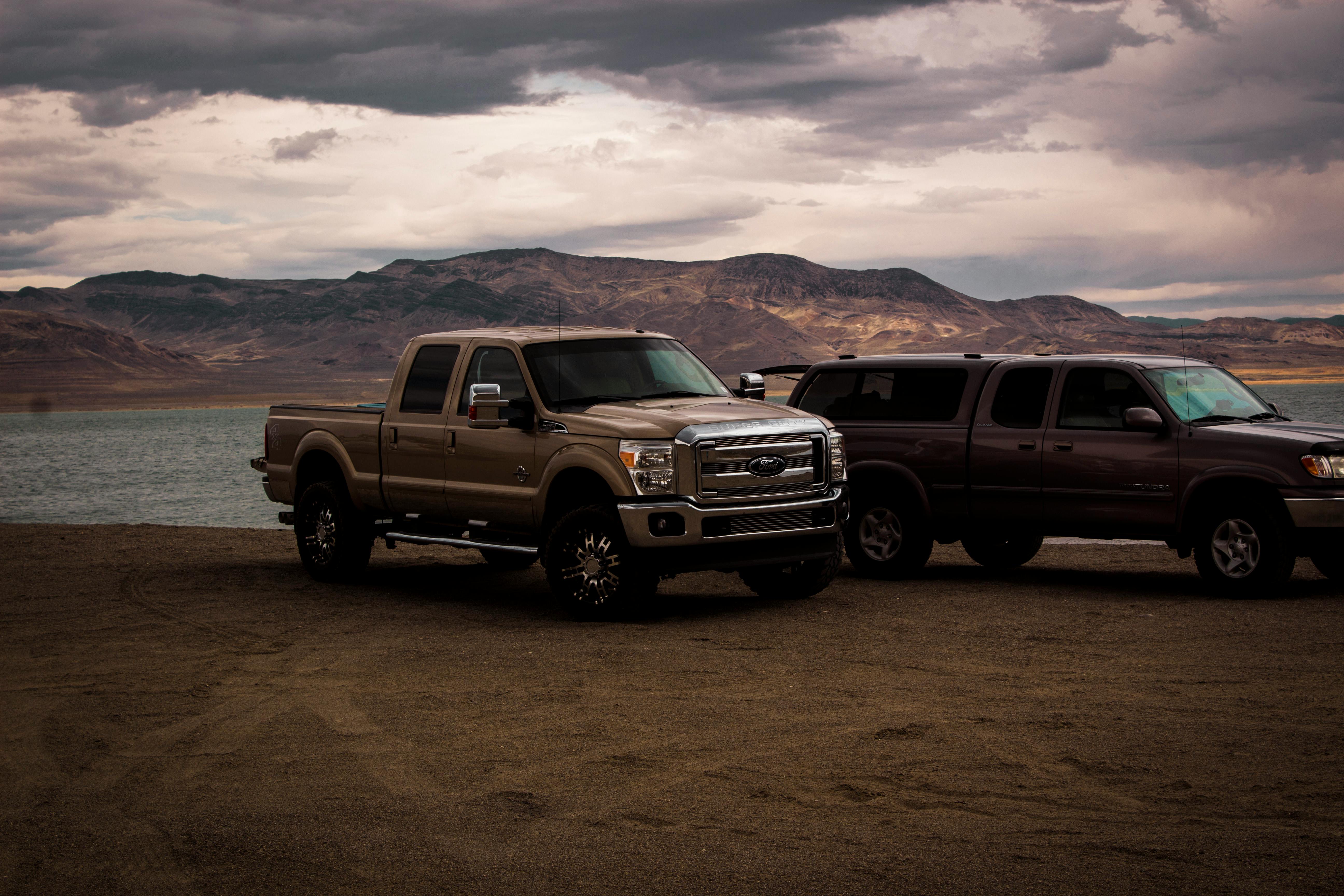
Modern truck engineering has reached a pinnacle of efficiency, but the more powerful the engine, the more heat it generates. Whether you are hauling a heavy trailer across state lines or navigating a congested construction site, your truck’s cooling system is the unsung hero keeping the entire operation from grinding to a halt. In 2025, cooling systems have evolved beyond simple radiators; they are now sophisticated, electronically managed networks that protect the engine, transmission, and turbochargers. For those currently exploring New trucks for sale, understanding these foundational components is the key to ensuring your vehicle remains a reliable asset for years to come. By mastering the basics of how your truck manages thermal loads, you can prevent the most common causes of roadside breakdowns and maintain peak performance even under the most grueling conditions.
1. The Role of Modern Coolants and Dex-Cool Chemistry
Gone are the days when any green fluid from the local hardware store would suffice for a truck’s engine. Modern trucks, particularly those from the GM family, utilize specialized “Extended Life” coolants like Dex-Cool. These are not just antifreeze; they are complex chemical blends designed to prevent corrosion in aluminum components and provide cavitation protection for water pump impellers.
For a new truck owner, the most important basic is never to mix different types of coolant. Mixing traditional “green” silicated coolant with modern Organic Acid Technology (OAT) fluids can lead to a chemical reaction that creates a thick, gel-like sludge. This sludge can clog the narrow passages of your radiator and heater core, leading to catastrophic overheating. Always check your reservoir for the “Full” or “Max” line when the engine is cold, and if a top-off is needed, ensure you are using the exact specification listed in your owner’s manual—ideally a pre-mixed 50/50 solution to ensure the mineral content of tap water doesn’t introduce scale into the system.
2. High-Capacity Radiators and Active Grille Shutters
The radiator is the primary heat exchanger of your truck, but in 2025 models, it doesn’t work alone. Many new trucks are equipped with Active Grille Shutters. These are motorized slats located behind the front grille that can open or close based on the engine’s cooling needs. When you are cruising on the highway and the engine is at a stable temperature, the shutters close to improve aerodynamics and fuel efficiency.
However, the moment you begin a steep climb or hitch up a trailer, the truck’s computer commands the shutters to snap open, allowing maximum airflow to reach the high-capacity radiator core. As a new owner, it is a good habit to occasionally inspect the front of your truck for debris. Mud from a weekend trail ride or plastic litter from the highway can become trapped in these shutters or against the radiator fins, significantly reducing the system’s ability to shed heat. A gentle rinse with a garden hose can keep these pathways clear and your engine’s “breathing” unobstructed.
3. Understanding the Thermostat and Water Pump Synergy
Think of the water pump as the heart of your truck and the thermostat as the brain. The water pump is a mechanical or, in some newer models, an electric component that circulates coolant through the engine block and cylinder heads. The thermostat acts as a gatekeeper, remaining closed when you first start the truck to help the engine reach its optimal operating temperature quickly—which reduces wear and improves emissions.
In a new truck, these components are designed for high-precision thermal management. If you notice your temperature gauge fluctuating wildly or taking an unusually long time to move from the “cold” position, it may indicate a thermostat that is sticking. Because modern engines operate at higher internal pressures to maximize power, even a minor delay in the thermostat opening can cause a rapid spike in temperature. Monitoring your gauge during your first few months of ownership helps you establish a “baseline” for what is normal for your specific truck.
4. Auxiliary Cooling: Transmission and Oil Coolers
A truck’s cooling system isn’t just for the engine. Heavy-duty trucks come equipped with auxiliary coolers for the transmission fluid and, often, the engine oil. When you are towing, the transmission works significantly harder, generating friction-based heat that can degrade the fluid and lead to gear-shift hesitation or internal damage.
Most modern trucks feature a “stacked” cooling arrangement, where the transmission cooler is mounted in front of or integrated into the main radiator. This ensures that even when the truck is under a massive load, the transmission stays within its safe operating range. If you plan on using your truck for its intended purpose—hauling and towing—make sure you aren’t obstructing the airflow to these auxiliary coolers with oversized aftermarket bumpers or winch mounts that aren’t designed with cooling vents. Keeping the transmission cool is just as vital as keeping the engine cool for the long-term health of the powertrain.
5. Pressure Management and the Radiator Cap
One of the most overlooked but critical basics is the radiator cap. Modern cooling systems are pressurized (usually between 15 and 20 psi) because pressurized fluid has a much higher boiling point than fluid at atmospheric pressure. This allows the engine to run hotter and more efficiently without the coolant turning into steam.
The radiator cap is actually a calibrated pressure-relief valve. If the seal on the cap fails or if the spring loses its tension, the system will lose pressure, causing the coolant to boil over at a much lower temperature. In a new truck, the cap should stay sealed for years, but it is worth a visual check during every oil change. Ensure the rubber seals are not cracked and that there is no “crusty” white or orange residue around the neck of the reservoir, which would indicate a slow pressure leak. Protecting the system’s pressure is the simplest way to prevent an unexpected “boil-over” on a hot summer afternoon.
Conclusion
A new truck is a major investment, and its cooling system is the first line of defense against the mechanical fatigue caused by high-stress driving. By understanding the importance of using the correct Dex-Cool chemistry, maintaining clear airflow through the active shutters, and respecting the roles of the thermostat and auxiliary coolers, you are setting your vehicle up for a lifetime of performance. Thermal management is the silent partner in every successful tow and every long-distance haul. While modern trucks are smarter than ever, they still rely on their owners to perform basic visual inspections and adhere to manufacturer-specified fluid standards. When you take care of your truck’s cooling system, you ensure that your engine stays in its “sweet spot,” providing the power and reliability you expected the day you drove it off the lot.




Leave a Reply