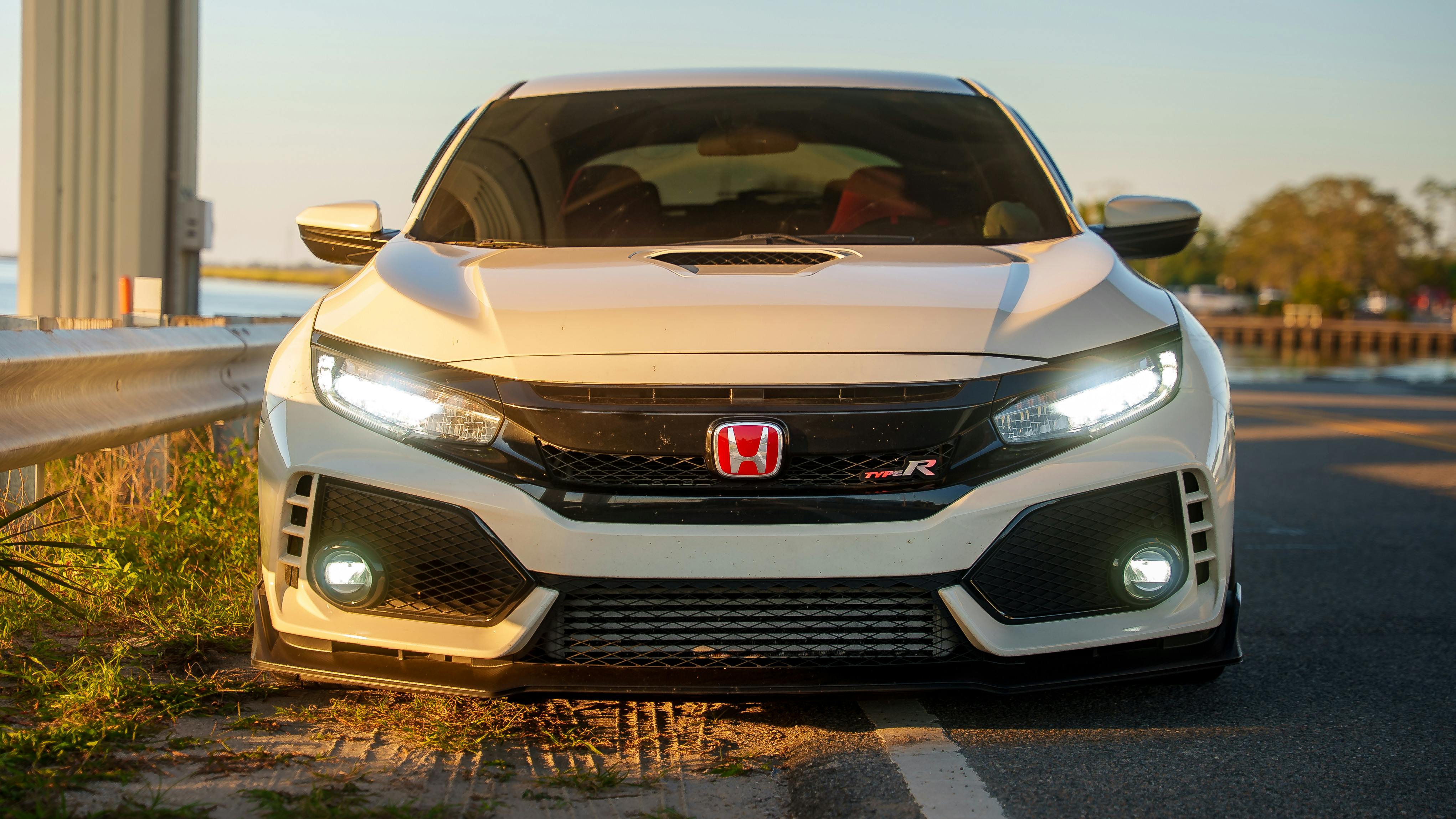
In the modern automotive landscape, safety is no longer just about how a vehicle performs during a collision; it is about the sophisticated technology that prevents the collision from happening in the first place. Honda has long been a pioneer in this field, developing a comprehensive suite of safety and driver-assistive technologies known as Honda Sensing®. This intelligent system acts as a virtual co-pilot, utilizing a network of cameras, radar, and sensors to monitor the road in ways the human eye sometimes cannot. For drivers visiting a Honda dealership in Cocoa, Florida, these features are often the primary highlight of a vehicle demonstration. Understanding how these advanced systems work is essential for anyone looking to navigate Florida’s busy highways and coastal roads with maximum confidence and peace of mind.
The Foundation of Honda Sensing®: Collision Mitigation
The cornerstone of Honda’s safety philosophy is the Collision Mitigation Braking System™ (CMBS™). This feature is designed to address one of the most common types of accidents: the frontal collision. Using a front-mounted radar sensor and a high-resolution camera, the system scans the road ahead for vehicles, pedestrians, or even cyclists. If the CMBS™ detects an imminent risk of impact, it provides visual and audible alerts to the driver.
If the driver fails to react in time, the system can take proactive steps by applying light brake pressure to “wake up” the driver. In a true emergency where a crash is deemed unavoidable, the system can apply the full force of the brakes to significantly reduce the impact speed or stop the vehicle entirely. This technology is particularly valuable in heavy stop-and-go traffic, where a moment of distraction could otherwise lead to a serious accident.
Precision Highway Driving with Adaptive Cruise Control
One of the most praised features by long-distance travelers is Adaptive Cruise Control (ACC) with Low-Speed Follow. Unlike traditional cruise control, which requires the driver to manually adjust speed as traffic fluctuates, Honda’s ACC maintains a set following interval behind the vehicle detected ahead. If the car in front slows down, your Honda will automatically decelerate to maintain that gap.
The “Low-Speed Follow” component is a game-changer for commuters. It allows the vehicle to come to a complete stop if the lead vehicle stops, and then resume following with a simple tap of the throttle or a button once traffic moves again. This significantly reduces driver fatigue during long stretches of highway driving or while navigating congested urban corridors, making the journey much more relaxed and controlled.
Staying Centered: Lane Keeping and Road Departure Mitigation
To prevent unintentional lane drifting—a major cause of highway accidents—Honda integrates the Lane Keeping Assist System (LKAS) and Road Departure Mitigation (RDM). LKAS uses a windshield-mounted camera to identify lane markings. If the vehicle begins to drift from the center of the lane without a turn signal being activated, the system provides gentle steering torque to guide the vehicle back to the center.
While LKAS is a convenience feature for active driving, RDM is a safety intervention. If the system detects that the vehicle is about to cross the edge of the pavement or a solid lane line, it can apply both steering assistance and braking to prevent the car from leaving the roadway entirely. This dual-layered approach ensures that even during long night drives or moments of fatigue, the vehicle is actively working to stay on its intended path.
Enhanced Awareness with Blind Spot and Cross Traffic Monitoring
Honda dealers frequently emphasize that advanced diagnostics aren’t just for the engine; they are for the driver’s awareness as well. The Blind Spot Information System (BSI) uses sensors in the rear bumper to monitor the lanes beside and behind the vehicle. When a vehicle is detected in the driver’s blind spot, an indicator illuminates in the side mirror or on the A-pillar. If the driver activates their turn signal while a vehicle is present, the indicator flashes and a warning beep sounds.
Complementing this is the Cross Traffic Monitor, which is indispensable when reversing out of tight parking spots. Whether you are at a crowded shopping center or backing out of a driveway onto a busy street, this system detects vehicles approaching from the side. It provides a visual warning on the multi-angle rearview camera display and an audible alert, helping to prevent the “blind” collisions that often occur in parking lots.
Traffic Sign Recognition and Intelligent Lighting
Modern Hondas are designed to keep the driver informed without being intrusive. The Traffic Sign Recognition (TSR) system uses a small camera to “read” road signs such as speed limits, “No Entry,” and “Stop” signs. This information is then projected onto the Driver Information Interface or the Head-Up Display. This ensures that even if a driver misses a speed limit change while focusing on traffic, the vehicle provides a subtle reminder of the current law.
Visibility is also managed intelligently through Auto High-Beam Headlights. At night, the system can automatically toggle between high and low beams based on the presence of oncoming vehicles or the tail lights of cars ahead. This ensures that the driver always has the maximum possible illumination of the road without the risk of dazzling other motorists, allowing the driver to keep their hands on the wheel and their eyes on the road.
The Future of Honda Sensing 360 and AI Integration
Looking ahead, Honda is already rolling out the next generation of safety: Honda Sensing 360. This evolved suite expands the sensory range to provide omnidirectional protection. New features like Front Cross Traffic Warning and Lane Change Collision Mitigation offer protection at intersections and during high-speed lane changes, scenarios that were previously more difficult for sensors to manage.
Furthermore, Honda is incorporating Artificial Intelligence (AI) into its “Elite” safety systems. This allows the vehicle to recognize complex scenes and predict potential hazards with human-like intuition. By accumulating data and “learning” from different environments, these AI-driven systems aim to achieve Honda’s global goal of zero traffic collision fatalities by 2050. This commitment to innovation ensures that a Honda remains one of the safest investments a driver can make.
Conclusion
Advanced driver-assist features have fundamentally changed the relationship between the driver and the machine. By providing an extra layer of awareness and intervention, Honda Sensing® empowers drivers to navigate the complexities of modern roads with greater safety and less stress. From the life-saving potential of Collision Mitigation Braking to the daily convenience of Adaptive Cruise Control, these technologies represent the cutting edge of automotive engineering. As these systems continue to evolve with 360-degree monitoring and AI integration, the future of driving looks not only more efficient but significantly safer for everyone on the road. For anyone looking to protect their family and enjoy a more refined driving experience, exploring these features at a local dealership is the best place to start.


Leave a Reply