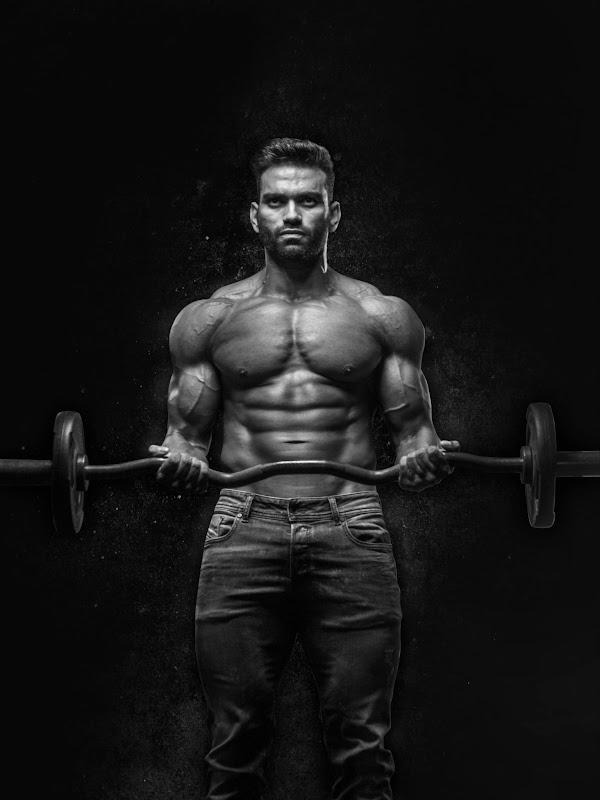
Most gains do not happen from magic workouts, but steady effort over time. When it comes to building mass, showing up matters more than pushing extreme intensity every day. Some of the best results come from those who skip burnout and choose balance instead. Little shifts, when things stall, often make the real difference.
Good bodybuilding routines shape a space where muscles grow steadily, not by chance. Without them, smart plans fail just the same. These workout practices aren’t complex, yet doing them every time brings real changes: stronger bodies, sharper moves, lasting gains.
Training With Progressive Intent
When muscles get worked harder than ever before, they grow. It is not about piling on pounds no matter what each session, but aiming to push forward consistently. Over weeks, progress might show as better strength, more repetitions, smoother movement, or sharper form. Growth follows effort that builds step by step.
Most people lifting weights stick to the same numbers week after week, often unaware. Growth slows, not due to laziness, but from unchanged routines. Writing down sessions makes advancement purposeful instead of random.
Prioritizing Form Over Load
Lifts feel heavy only when the right muscles are pulled. Smooth moves keep the strain focused, preventing spare joints from extra pressure. When technique slips, bigger muscles take over or tendons bear too much, growth slows, injuries creep closer.
Focusing often on how you move makes your muscles work better, slowly building real improvement. When lifting weights, doing each repetition right, again and again, beats pushing big loads with poor control as time goes by.
Muscle Training Across Complete Movement Paths
A single motion, done completely, feeds growth better than cutting corners. Even though skipping parts of the movement sometimes works, depending on that method means fewer fibers get involved. The muscle builds less when the path is cut.
Slow, full motions keep muscles working longer, leading to better development. When lifting weights, moving through entire ranges reveals flaws short and rushed moves cover up, this builds stronger, more symmetrical bodies.
Managing Volume Without Targeting Fatigue
Not every extra set brings bigger muscles. What matters is how much work your body handles without breaking down. Too many reps pile up tiredness quicker than gains appear. Growth happens only when effort stays within recovery limits.
Finding that sweet spot matters most to those who train hard. When lifting weights, backing off at the right time keeps gains coming while preventing injuries, too much effort leads nowhere fast. Muscles need space between workouts, not endless grind, to repair and get stronger.
Allowing Enough Recovery Between Sessions
Rest shapes stronger muscles, never the exercise session alone. When a muscle group gets worked again too soon, healing does not keep up. That delay opens doors to setbacks and harm instead of gains.
Restful nights, time off between workouts, along with smart exercise routines help your body heal. For building muscle, healing isn’t standing still, it’s how gains actually happen.
Targeting Weak Areas with Focus
When some muscles fall behind, growth hits a wall. These weaker parts tend to be skipped, training them feels awkward or shows little change at first. Left out too long, they drag down everything else. Progress stalls without their support.
Starting with weaker areas during training, or hitting them more often each week, can create better overall symmetry. When building muscle, giving lagging parts extra attention changes how you look and move.
Training Regularly Over Time
Most gains happen not from pushing the hardest, but showing up consistently. Steady workouts with solid effort work out better than rare grind sessions. Effort that lasts wins over short spikes of heavy lifting.
Skipping sessions, switching plans too often, one thing after another throws off results. When building muscle, just being there week after week slowly adds up more than most expect.
Avoiding Program Hopping
Most folks overlook how shifting routines messes things up. Growth happens when muscles stick with one type of work for a while. Jumping around between moves, counts, or weekly plans means starting over each time. Progress slows because nothing gets a real chance to build.
Most gains come when someone stays with one approach past the early onset of boredom. When lifting weights, toughing out through slow weeks beats jumping to new routines too soon.
Listening to Biofeedback
A signal shows up when joints ache, rest feels shallow, effort drops, or stiffness lingers. Progress stays steady if workouts shift, intensity eases, reps drop, movements change, with what the body says. Feedback guides the path forward without forcing it.
When lifting weights, skipping rest cues usually means time off due to pain or exhaustion. Spotting them sooner brings minor tweaks rather than long pauses.
Training With Long Term Perspective
What builds muscle stacks slowly over time. When excitement runs out, routines keep going. Think in spans of years, not days, when you train. This way, giving up feels less tempting. Sticking with it gets easier.
Focusing on gains instead of goals shifts what success looks like. In bodybuilding, standout shapes come from consistency, never panic or rush.
Conclusion
Most gains happen not through drastic steps. Small actions done on purpose add up over time. When workouts slowly increase in challenge, moves are clean, effort stays balanced, rest matters, and growth follows more naturally. Muscle shows up when the routine supports it, day after day.
Building strength starts by doing things again and again, not pushing through pain. When routines become automatic, choices get easier, mistakes fade, progress shows clearly. Slowly, consistent actions shape more than size, they create power, appearance, steady growth that lasts long beyond the gym.




Leave a Reply