What Is Water Damage Restoration?
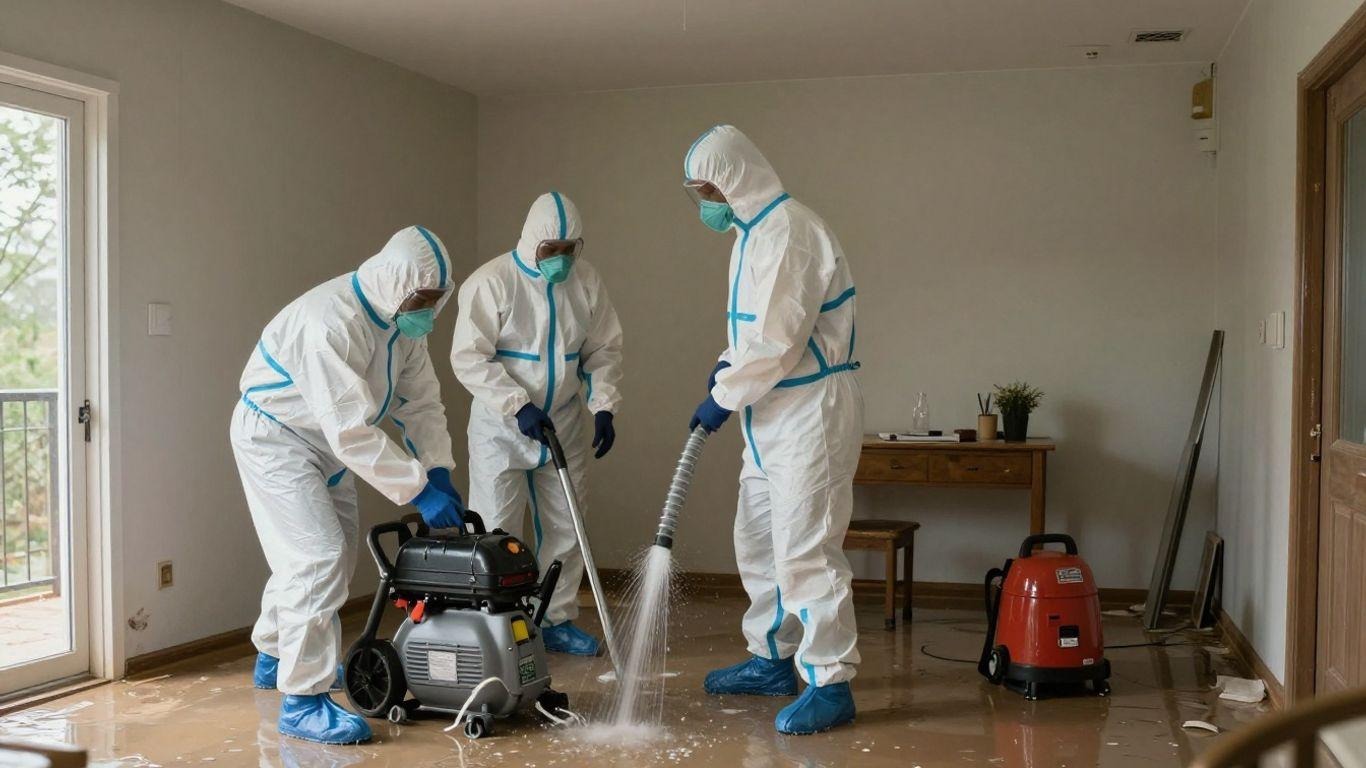
Water damage restoration is the process of fixing up a home after water has caused problems. Think of it as a complete cleanup and repair job. Professionals come in to get rid of all the water, dry everything out, and then fix what’s broken. This isn’t just about mopping up a spill; it’s a detailed process to bring your home back to how it was before the water caused trouble.
This work involves specialized tools and methods to find hidden moisture and make sure the area is completely dry. The goal is to stop further damage, like mold growth, and make sure your home is safe and healthy again. Proper water damage restoration means getting everything back to its original condition, or as close as possible.
Why Professional Water Damage Restoration Is Essential
Trying to handle serious water damage yourself can often make things worse. Professionals have the right equipment, like industrial-strength dryers and moisture meters, to do the job right. They know how to find water that’s hiding in walls or under floors, which is something most homeowners can’t do.
These experts are trained to deal with different types of water damage, from clean water to contaminated sources. They follow strict guidelines to clean and sanitize affected areas, preventing health risks like mold. Hiring professionals ensures the job is done thoroughly and safely.
The Importance of Swift Action in Water Damage Restoration
When water gets into your home, time is not on your side. The longer water sits, the more damage it can do. Materials like drywall, wood, and carpet can start to break down quickly, leading to bigger problems down the road.
Mold can start to grow in as little as 24 to 48 hours, especially in damp conditions. This is why acting fast is so important for water damage restoration. Getting professionals involved right away helps stop the spread of moisture and reduces the risk of mold and other secondary issues. Quick action can save you a lot of money and stress in the long run.
Immediate Actions for Water Intrusion
Discovering water in your home can be unsettling, but acting fast makes a big difference. The first few hours are critical for limiting the spread and severity of water damage. Homeowners need to know what steps to take right away to protect their property and their family.
Prioritize Safety First
Before anything else, check for safety hazards. If there’s standing water, especially near electrical outlets or appliances, turn off the power to that area at the main breaker. Don’t step into flooded areas if you suspect electrical current. Wear rubber-soled boots and gloves if you must enter a wet zone. Keep children and pets away from affected areas until professionals can assess the situation. Your safety is the absolute top priority when dealing with water intrusion.
Locate and Stop the Water Source
Once safety is confirmed, find out where the water is coming from and stop it if possible. This could mean turning off the main water valve to your house if a pipe has burst. If it’s a leak from an appliance, like a washing machine or dishwasher, try to shut off its specific water supply valve. For roof leaks, temporary measures might be needed, but stopping the flow is key to preventing further water damage.
Documenting the Damage
Start taking pictures and videos of everything as soon as you can, without disturbing the scene too much. Capture the extent of the water damage, including water lines on walls, damaged furniture, and any visible source of the leak. This documentation is vital for insurance claims and helps restoration professionals understand the scope of the problem. Keep a detailed list of damaged items. This record-keeping is part of the water damage restoration process.
Notify Your Insurance Carrier
Contact your homeowner’s insurance company as soon as possible after discovering the water damage. Report the loss and explain the situation. They will guide you on the next steps, explain your coverage, and may recommend approved restoration companies. Prompt notification helps streamline the claims process and get your water damage restoration underway faster.
The Professional Water Damage Restoration Process

When water invades your home, a structured approach is key to recovery. Professional water damage restoration follows a clear, methodical process designed to address the immediate crisis and prevent long-term issues. This isn’t just about mopping up; it’s a science-backed procedure.
Inspection and Damage Assessment
The first step involves a thorough inspection. Professionals use specialized tools like moisture meters and thermal imaging cameras to pinpoint exactly where water has penetrated. They assess the extent of the damage, categorizing the water type (clean, gray, or black) to determine the necessary cleaning and sanitization protocols. This detailed assessment forms the basis for the entire restoration plan.
Water Extraction and Drying
Once the assessment is complete, the focus shifts to removing standing water. Industrial-grade pumps and vacuums are employed to extract water quickly and efficiently. Following extraction, powerful air movers and dehumidifiers are strategically placed to dry out affected materials and the structure itself. This drying phase is critical for preventing secondary damage like mold growth.
Cleaning and Sanitization
After drying, all affected surfaces, materials, and belongings undergo a rigorous cleaning and sanitization process. This step removes contaminants, bacteria, and any potential health hazards introduced by the water. Professionals use specialized cleaning agents and techniques to restore affected items and ensure a safe environment. Thorough cleaning is vital for health and safety.
Structural Repairs and Reconstruction
Finally, the restoration team addresses any structural damage. This can range from replacing drywall and flooring to repairing electrical or plumbing systems. The goal is to return the home to its pre-loss condition, ensuring both aesthetic appeal and structural integrity. This phase completes the water damage restoration cycle.
Choosing a Reliable Restoration Company
When water damage strikes, picking the right help is key. It’s not just about getting things dry; it’s about making sure the job is done right, so you don’t have bigger problems later. A good restoration company will have the right tools and know-how to handle everything from a small leak to a major flood.
Verifying Certifications and Credentials
Look for companies that have technicians certified by the IICRC (Institute of Inspection, Cleaning and Restoration Certification). This shows they’ve been trained in industry standards for water damage restoration. It’s a good sign they know what they’re doing. Also, check if they are members of professional groups like the Restoration Industry Association (RIA). These affiliations often mean they follow strict service guidelines.
Reviewing Customer Testimonials and Ratings
What are other people saying? Check online reviews and ask for testimonials. See if the company has experience with jobs similar to yours. A company that’s upfront about its past work and happy to share success stories is usually a solid choice. A proven track record speaks volumes.
Understanding Pricing Models
Get a clear, itemized estimate before work begins. Avoid companies that give vague quotes or demand full payment upfront. You should know exactly what you’re paying for, from the equipment used to any cleaning agents applied. Transparency in pricing helps you budget and avoids surprises.
Importance of Transparency and Communication
Throughout the entire process, good communication is vital. The company should explain what they’re doing, why they’re doing it, and what to expect next. They should be easy to reach and answer your questions promptly. This open line of communication builds trust and helps you feel more in control during a stressful time. Choosing a reliable restoration company means finding a partner you can count on.
Navigating Insurance for Water Damage Restoration

Dealing with water damage is stressful enough without adding insurance complexities. Understanding your homeowner’s policy is the first step. Most policies cover sudden events like burst pipes or storm damage, but gradual leaks or poor maintenance issues are often excluded. It’s wise to review your policy before an incident happens so you know what’s covered and what your deductible might be. This preparation helps avoid surprises when you need to file a claim for water damage restoration.
Documenting everything is key. Take clear photos and videos of the damage as soon as it’s safe to do so. Keep detailed records of all communication with your insurance company and the restoration professionals. This meticulous documentation helps your insurer understand the scope of the water damage restoration needed and supports your claim. Many restoration companies can also assist by providing detailed reports that align with insurance requirements, making the process smoother.
Working with your insurer and their preferred providers can streamline the process. While you usually have the right to choose your own restoration company, using a provider recommended by your insurance carrier can sometimes speed up approvals and payments. However, always ensure the chosen company is reputable and qualified for water damage restoration. Transparency and clear communication between you, your insurer, and the restoration team are vital for a successful outcome and getting your home back to normal.
Preventing Secondary Damage and Health Risks
The Dangers of Delayed Water Damage Repair
When water damage isn’t addressed quickly, it can lead to a cascade of problems. Lingering moisture, especially within walls or under flooring, creates a perfect breeding ground for mold. This isn’t just an aesthetic issue; mold can spread rapidly and become a serious health concern for anyone living in the home. Prompt action is key to preventing these secondary issues.
Even seemingly minor water intrusion can cause significant hidden damage. Water travels along building materials, often spreading far beyond the visible wet spot. Without professional tools to detect and remove this hidden moisture, it can lead to structural weakening, rot, and the growth of harmful microorganisms. This is why professional water damage restoration is so important.
Delaying repairs means that what might have been a manageable cleanup can turn into a much more extensive and costly reconstruction project. The longer water sits, the more damage it infests, making the eventual restoration process more complicated and expensive. It’s a situation no homeowner wants to face.
How Professionals Prevent Mold Growth
Professional restoration companies have specialized knowledge and equipment to combat mold before it takes hold. They understand that mold needs moisture, warmth, and a food source (like wood or drywall) to thrive. By rapidly removing standing water and using powerful drying equipment, they create an environment where mold cannot grow.
Technicians use advanced tools like moisture meters and infrared cameras to find every pocket of trapped water, even behind walls or under cabinets. This thorough approach ensures that all damp materials are identified and dried properly. They also use industrial-grade dehumidifiers and air movers to accelerate the drying process, significantly reducing the time moisture has to cause problems.
Furthermore, professionals can apply antimicrobial treatments to affected areas as a preventative measure. This helps to kill any mold spores that may already be present and inhibit future growth, giving homeowners peace of mind that their property is truly dry and safe.
Ensuring Indoor Air Quality and Safety
Beyond just drying out the visible water, professional water damage restoration focuses on restoring the home’s environment to a safe and healthy condition. This includes addressing potential contaminants that water may have introduced.
Professionals are trained to identify different types of water contamination – from clean (Category 1) to gray (Category 2) and black (Category 3) water. Each type requires specific cleaning and sanitization protocols to eliminate bacteria and other harmful pathogens. This meticulous cleaning process is vital for protecting the health of the occupants.
Finally, the process often involves thorough cleaning and deodorizing of the affected areas. This not only removes lingering odors associated with water damage and mold but also helps to ensure that the air quality within the home is restored. A truly restored home is one that is both structurally sound and healthy to live in.
Wrapping Up: Your Path to Recovery
Dealing with water damage is never fun, and it can really throw a wrench into your daily life. But remember, acting fast is key. Getting a professional team involved quickly helps stop the damage from getting worse and prevents issues like mold. They have the right tools and know-how to dry everything out properly and fix what’s broken. While it might seem like a big hassle, working with these experts and your insurance company can make the whole process smoother. The goal is always to get your home back to how it was, safe and sound, so you can get back to living comfortably.



Leave a Reply