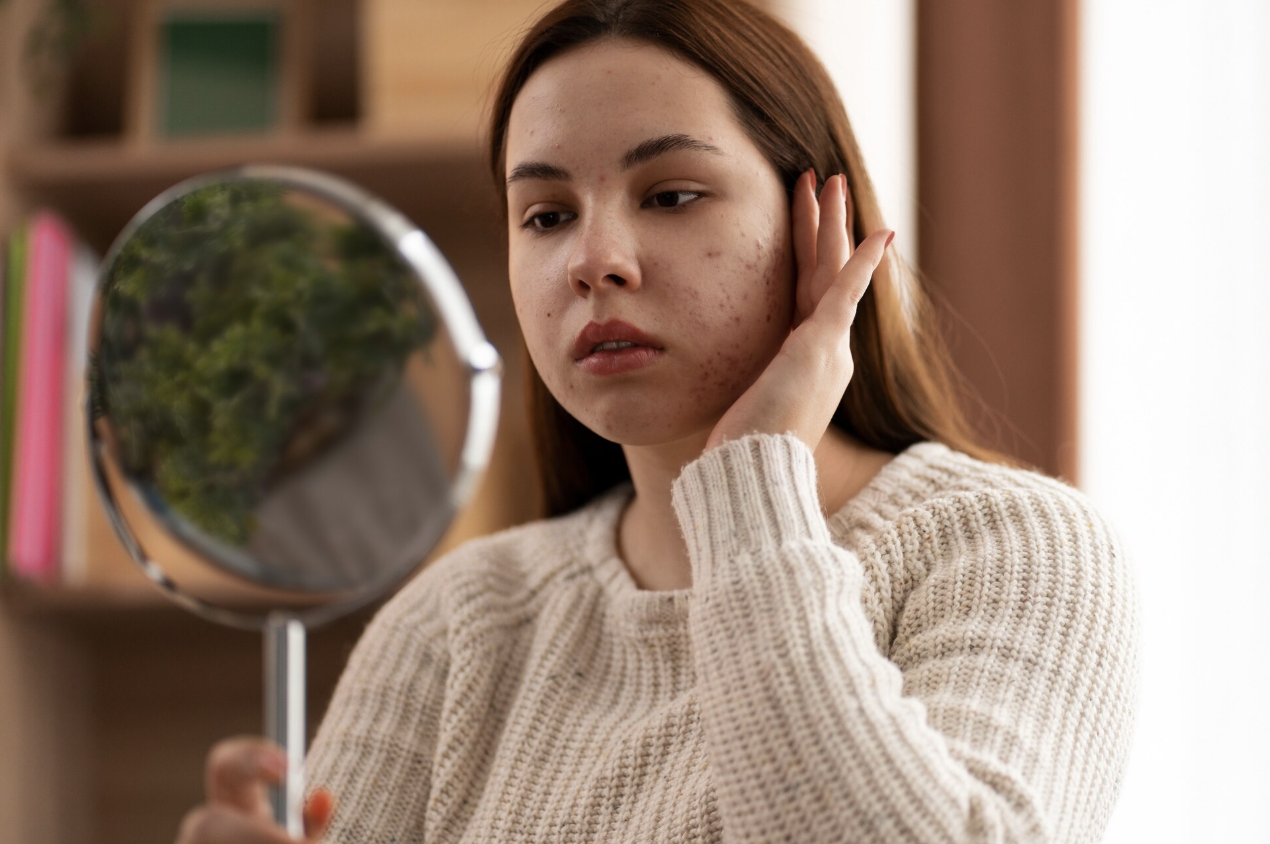
Your skin shows signs of aging, sun damage, acne scars, or unwanted pigmentation. You’ve tried creams and serums with limited results. You wonder if there’s a better solution.
Modern laser therapy offers powerful options for treating skin problems that topical products can’t fix. These treatments work at deeper skin layers where real change happens.
Lasers aren’t science fiction anymore. They’re proven medical treatments backed by decades of research and millions of successful procedures. Advanced laser technologies address various skin concerns with minimal downtime and impressive results.
For example, Moxi Laser Treatments Thornton CO, now offer gentle fractional laser options that improve skin tone, texture, and overall appearance through quick, comfortable sessions requiring little recovery time.
Understanding which skin concerns respond well to laser therapy helps you make informed decisions about your skin health.
Let’s explore the most common problems modern lasers can effectively treat.
Fine Lines and Wrinkles
Aging skin develops lines and wrinkles as collagen production slows and existing collagen breaks down. These appear first around the eyes, mouth, and forehead.
Laser therapy addresses wrinkles by stimulating your skin to produce new collagen. This natural protein gives skin its firmness and smooth appearance.
How lasers treat wrinkles:
Fractional lasers create thousands of tiny treatment zones in your skin. Each zone is microscopic, but together they trigger your body’s healing response across the entire treated area.
Your skin recognizes these microscopic injuries and responds by producing fresh collagen and elastin. Over several weeks and months, this new collagen fills in lines and wrinkles from underneath.
Ablative lasers remove the top skin layer while heating deeper layers. This more aggressive approach produces dramatic results but requires a longer recovery time.
Non-ablative lasers heat deeper skin without removing the surface. Recovery is faster, though results are more gradual.
Results timeline:
You won’t see instant wrinkle disappearance. Collagen production takes time. Most people notice improvements after 2-4 weeks, with continued improvement for 3-6 months as collagen continues rebuilding.
Multiple treatment sessions usually produce the best results. Most protocols recommend 3-5 sessions spaced 4-6 weeks apart.
Studies show laser treatments can reduce fine lines by 40-60% and improve deeper wrinkles by 20-40%. Results vary based on wrinkle severity, skin type, and treatment intensity.
Acne Scars
Acne scars create pitted, uneven skin texture that makeup can’t fully hide. These scars form when severe acne damages the skin’s support structure.
Three main acne scar types exist: ice pick scars (deep, narrow pits), boxcar scars (wider depressions with defined edges), and rolling scars (wave-like undulations).
Laser treatment for acne scars:
Fractional CO2 lasers are particularly effective for acne scars. They vaporize tiny columns of damaged tissue while stimulating collagen production in surrounding areas.
As new collagen forms, it fills in depressed scars from below. Skin texture gradually smooths out. Deep scars become shallower. Overall skin appearance improves significantly.
Erbium lasers offer similar benefits with potentially less downtime. They’re especially good for people with darker skin tones who might have pigmentation concerns with other lasers.
Treatment process:
Acne scar treatment typically requires 3-6 sessions. Severe scarring might need more. Sessions are spaced 4-8 weeks apart to allow healing between treatments.
Recovery varies by laser type. Ablative treatments might involve 5-7 days of redness and flaking. Non-ablative treatments might show only 1-2 days of mild redness.
Results are gradual but can be dramatic. Studies show fractional laser treatments improve acne scars by 50-80% after a complete treatment series.
Sun Damage and Age Spots
Years of sun exposure create visible damage. Brown spots, uneven pigmentation, rough texture, and broken blood vessels all result from UV exposure.
This damage is called photoaging, and it makes skin look older than it actually is.
How lasers reverse sun damage:
Different lasers target different aspects of sun damage.
IPL (Intense Pulsed Light) treatments aren’t technically lasers but work similarly. They target pigment in age spots and broken blood vessels. The targeted areas darken initially, then flake off over 7-10 days, revealing clearer skin underneath.
Fractional lasers address overall sun damage by removing damaged surface cells and stimulating new, healthy cell production. This improves texture, tone, and pigmentation simultaneously.
Pigment-specific lasers target melanin (skin pigment). They break up concentrated pigment in age spots. Your body’s immune system then removes these pigment fragments naturally.
What to expect:
Treated sun spots typically darken immediately after treatment. This is normal and expected. Over the next week or two, darkened areas flake off like coffee grounds, revealing lighter skin.
Multiple sessions usually work best. Most protocols use 2-4 treatments spaced 4-6 weeks apart.
Sun damage improvements can be remarkable. Overall skin tone becomes more even. Individual spots fade significantly or disappear completely. Skin texture smooths out.
Continued sun protection is essential. Laser treatments remove existing damage but don’t prevent future damage. Daily sunscreen use is mandatory to maintain results.
Melasma and Hyperpigmentation
Melasma creates brown or gray patches, usually on the face. It’s triggered by hormones, sun exposure, or genetic factors. Women experience it more commonly, especially during pregnancy or while taking birth control pills.
General hyperpigmentation means dark patches anywhere on the body from various causes, including inflammation, injury, or post-acne darkening.
Laser treatment for pigmentation:
Treating melasma with lasers requires a careful approach. Aggressive treatments can actually worsen melasma by triggering more pigment production.
Low-level laser therapy (LLLT) and gentle fractional lasers work better for melasma than aggressive treatments. They gradually fade pigmentation without triggering rebound darkening.
Q-switched lasers break up pigment clusters. These lasers deliver energy in very short pulses that shatter pigment without excessive heat buildup.
For post-inflammatory hyperpigmentation (dark marks left after acne or injury), fractional lasers help by accelerating skin turnover and bringing fresh, evenly-pigmented cells to the surface.
Treatment considerations:
Melasma is notoriously difficult to treat and often returns. Maintenance treatments and proper skincare are essential for lasting results.
Multiple gentle treatments work better than single aggressive treatments. Patience is crucial. Most protocols involve 4-8 sessions spread over several months.
Combining laser therapy with topical treatments (like hydroquinone or tretinoin) often produces better results than either treatment alone.
Results vary significantly. Some people see 60-80% improvement. Others see only 20-30% improvement. Melasma’s stubborn nature makes guarantees impossible.
Rosacea and Facial Redness
Rosacea causes persistent facial redness, visible blood vessels, and sometimes acne-like bumps. It affects millions of people and can significantly impact quality of life.
General facial redness can result from sun damage, sensitive skin, or broken blood vessels unrelated to rosacea.
Laser solutions for redness:
Vascular lasers specifically target the hemoglobin (red pigment) in blood vessels. When laser energy absorbs into blood vessels, it heats and damages them. The body then removes these damaged vessels naturally.
IPL treatments work well for diffuse redness and multiple broken blood vessels. One treatment session can address redness across the entire face.
Pulsed dye lasers (PDL) effectively treat individual broken blood vessels and overall redness. They’re considered the gold standard for vascular treatments.
KTP lasers target blood vessels precisely and work well for all skin types.
Treatment experience:
Most people need 2-4 treatments spaced 4-6 weeks apart for optimal redness reduction.
During treatment, you feel snapping sensations as the laser pulses. Most people tolerate this well without numbing cream, though sensitive individuals might request topical anesthetic.
After treatment, redness temporarily increases for 1-3 days. This might seem counterintuitive, but it’s normal. As swelling subsides, treated vessels begin fading.
Results can be impressive. Studies show 50-75% reduction in redness and visible blood vessels after a complete treatment series.
Rosacea is chronic, meaning it returns over time. Maintenance treatments every 6-12 months help keep redness controlled long-term.
Large Pores
Enlarged pores make skin look rough and uneven. They’re especially noticeable on the nose, cheeks, and forehead.
Pores enlarge when oil production increases, skin loses elasticity with age, or when repeated stretching occurs from clogged pores and blackheads.
Laser treatment for pores:
Lasers can’t eliminate pores completely—everyone has pores, and they serve important functions. But lasers can minimize pore appearance significantly.
Fractional lasers stimulate collagen production around pores. As new collagen forms, it provides structural support that tightens pore openings.
Resurfacing lasers remove the top skin layer and trigger renewal of fresh skin with tighter pores.
Some lasers heat the dermis (deeper skin layer) causing immediate collagen contraction and long-term collagen remodeling. Both effects reduce pore size.
Realistic expectations:
Pore size typically decreases by 30-50% with laser treatments. They become less noticeable but don’t disappear completely.
Most people need 3-5 treatment sessions for optimal pore reduction.
Results develop gradually as collagen production increases over 3-6 months.
Combining laser treatments with proper skincare (including retinoids and regular exfoliation) enhances and maintains results.
Uneven Skin Texture
Rough, bumpy, or uneven skin texture results from various factors: sun damage, acne scarring, aging, dry skin, or keratosis pilaris (those small bumps on arms and thighs).
Smooth, even texture makes skin look youthful and healthy.
How lasers smooth texture:
Ablative resurfacing lasers vaporize the irregular surface layer, allowing smooth new skin to grow in its place. This produces dramatic texture improvement but requires significant recovery time.
Non-ablative fractional lasers stimulate collagen remodeling beneath the surface. As new collagen forms, it pushes up from below, smoothing out irregularities. Recovery is minimal.
Erbium lasers provide precise superficial resurfacing. They’re excellent for fine texture irregularities with moderate recovery time.
Treatment process:
The number of sessions needed depends on the texture severity. Mild roughness might improve with 2-3 non-ablative treatments. Significant texture problems might require ablative resurfacing.
Ablative treatments typically involve 5-10 days of healing with redness, swelling, and skin peeling.
Non-ablative treatments might show only 2-3 days of mild redness with no peeling.
Results can be transformative. Rough, bumpy skin becomes noticeably smoother. The change is often dramatic enough that others comment on your improved appearance.
Stretch Marks
Stretch marks form when skin stretches rapidly during growth spurts, pregnancy, or weight changes. The middle skin layer tears, creating visible marks that start red or purple and eventually fade to white or silver.
While stretch marks are completely normal and harmless, many people want to minimize their appearance.
Laser treatment for stretch marks:
Fractional lasers can improve stretch marks by stimulating collagen and elastin production. This helps rebuild the damaged skin structure.
Red or purple stretch marks (newer ones) respond better to vascular lasers that target the blood vessels causing the red color.
White or silver stretch marks (older ones) respond to fractional resurfacing lasers that rebuild collagen.
The laser energy triggers your body’s healing response in the stretch mark tissue. Over time, the marks become less noticeable as skin rebuilds.
What results look like:
Complete stretch mark removal rarely happens. Instead, they become significantly less noticeable.
Width decreases by 20-50%. Depth becomes shallower. Color fades to match surrounding skin better. Overall appearance improves noticeably.
Treating stretch marks requires patience. Most people need 4-6 sessions spaced 4-6 weeks apart.
Results develop slowly as collagen gradually rebuilds over 4-6 months following treatments.
Unwanted Hair
While not technically a skin concern, laser hair removal remains one of the most popular laser treatments. It permanently reduces unwanted hair on almost any body area.
How laser hair removal works:
The laser targets melanin (pigment) in hair follicles. Dark hair absorbs laser energy, which converts to heat. This heat damages the follicle’s ability to produce new hair.
Hair grows in cycles, and lasers only affect actively growing hair. This is why multiple treatments are necessary—to catch all hairs during their growth phase.
Treatment series:
Most areas require 6-8 treatments spaced 4-8 weeks apart. Facial areas might need treatments every 4-6 weeks. Body areas might space treatments 6-8 weeks apart.
After a complete series, most people experience 80-95% permanent hair reduction. Any remaining hair is usually finer, lighter, and less noticeable.
Periodic maintenance treatments (once or twice yearly) keep remaining hair under control.
Choosing the Right Laser Treatment
Different skin concerns require different laser types. A qualified practitioner assesses your specific issues and recommends appropriate treatments.
Important factors:
Your skin type matters. Darker skin tones require specific lasers to avoid pigmentation problems. Not all lasers work safely on all skin types.
Your goals and expectations should be realistic. Lasers produce significant improvements but rarely achieve perfection.
Your schedule and downtime tolerance affect treatment choices. Aggressive treatments with dramatic results require more recovery time. Gentler treatments with gradual results involve minimal downtime.
Your budget matters too. Single treatments range from $200-$2,000 depending on treatment type and area size. A full treatment series can cost several thousand dollars.
Safety and Side Effects
Modern laser treatments are generally safe when performed by trained professionals. However, side effects can occur.
Common temporary side effects:
- Redness lasting hours to days
- Swelling for 1-3 days
- Temporary darkening or lightening of treated skin
- Mild discomfort during and after treatment
- Crusting or flaking as skin heals
Rare but serious complications:
- Permanent pigmentation changes
- Scarring from improper settings or technique
- Burns from overtreatment
- Infection if post-treatment care isn’t followed
Choosing experienced, qualified practitioners dramatically reduces complication risks. Always verify credentials and ask about experience with your specific concern and skin type.
Making Laser Therapy Work for You
Modern laser therapy effectively addresses numerous skin concerns that don’t respond well to other treatments. From wrinkles and scars to pigmentation and texture problems, lasers offer solutions backed by solid science.
Results aren’t instant or magical, but they can be genuinely transformative. Patience through multiple treatment sessions and proper post-treatment care maximize outcomes.
If skin concerns bother you enough to consider treatment, consultation with a qualified laser specialist provides personalized information about your options, realistic expectations, and treatment plans tailored to your specific needs.
Your skin has remarkable healing abilities. Laser therapy harnesses and directs those abilities toward the improvements you want to see.


Leave a Reply