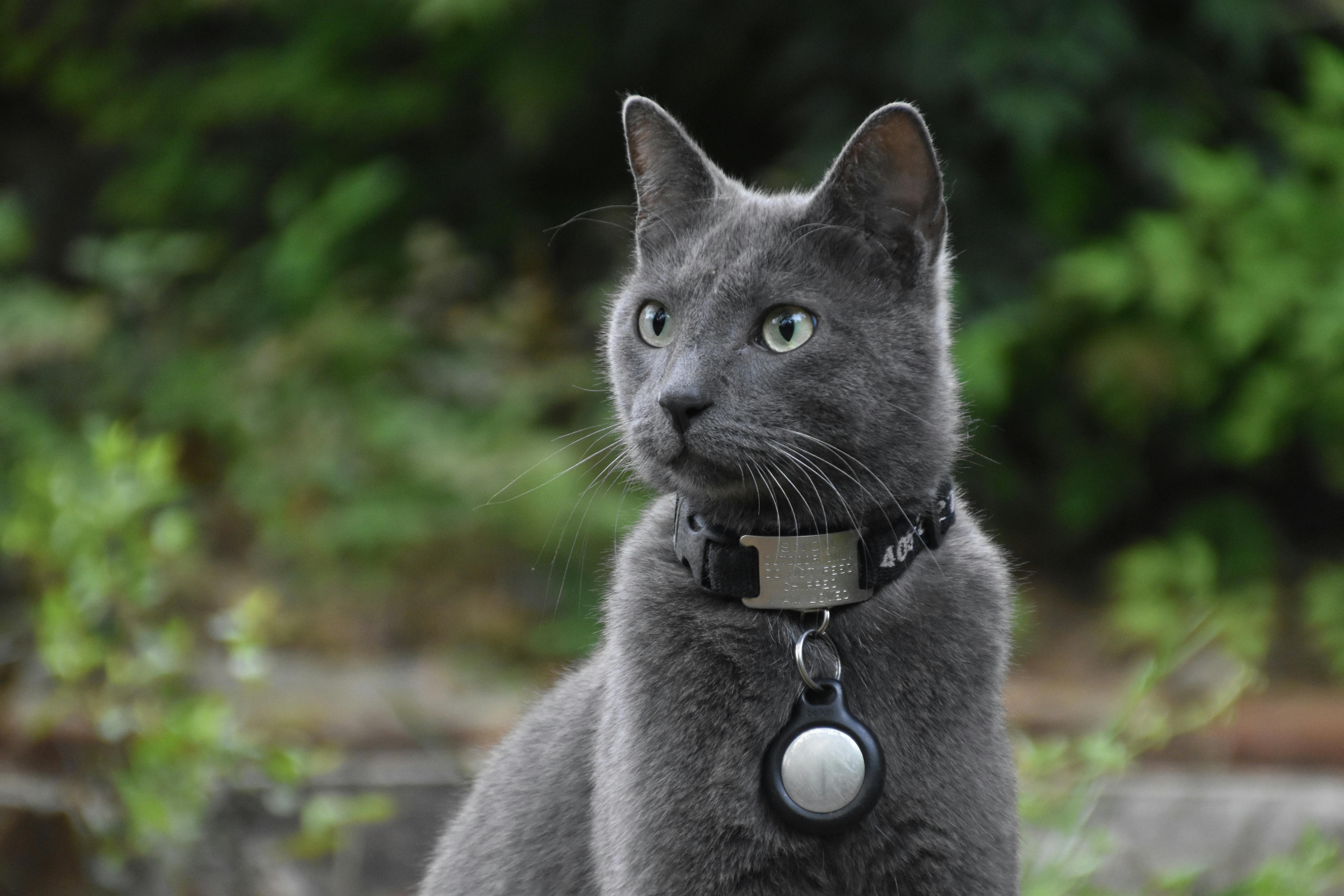
A lost pet causes tremendous anxiety for any owner who forgets to outfit their animal with proper identification. Many well-meaning people buy cheap stamped tags that become unreadable after a few months of normal wear. Smart pet parents choose durable metal pieces that carry critical contact details for emergency situations.
A well-designed custom pet tag includes specific data points that help a stranger return a missing animal quickly. The difference between a happy reunion and a permanent loss comes down to four or five simple lines of text. This article reveals exactly which details belong on a tag and which ones waste valuable engraving space.
1. Owner Phone Number Is Absolutely Essential
A working mobile telephone number provides the fastest possible route toward a lost pet reunion. Landline numbers fail when no one is at home to answer an incoming call. Two separate phone numbers offer backup protection if the primary device loses battery power or signal.
A spouse or roommate serves as an excellent secondary contact for daytime hours specifically. International format with country codes helps travelers who bring animals across borders frequently. No other single piece of information matches the raw usefulness of a reachable voice on the other end.
2. Pet Name Helps but Consider Risks
A dog’s given name allows a finder to call the animal without awkward “hey, you” attempts first. Some trainers warn that visible names let strangers build false trust with pets too easily. A nervous animal might approach someone who calls its name, even with bad intentions behind the act.
Using only the family’s last name instead provides identification without this potential vulnerability. Another safe approach lists “Reward” alone without any actual pet name visible anywhere. A cautious owner chooses based on neighborhood safety and the specific animal’s personality traits.
3. Medical Needs Belong on the Back Side
A tag that alerts finders about serious health conditions can save a pet’s life instantly. “Needs daily medication” or “Diabetic” gives crucial context to anyone who finds the animal wandering alone. Seizure-prone dogs require different handling than healthy strays found by well-meaning strangers.
Allergies to common treats or specific foods prevent accidental poisoning during a rescue attempt. A simple “Medical alert” line, followed by one condition, fits on most standard tag surfaces. Veterinary clinics check tags first for such warnings before any treatment begins, normally.
4. City Name Without Full Street Address
A complete home address invites unnecessary risk if the wrong person finds the lost pet instead. The city and zip code provide enough geographic data for a finder to locate nearby animal shelters. A neighborhood name or major cross street offers additional location context without specific house numbers.
Strangers do not need to know exactly where an animal lives to return it safely anyway. A finder can call the phone number and describe where they found the wandering pet instead. Many police departments recommend this partial address strategy for all pet identification tags currently.
5. Microchip Number Works as Hidden Backup
A microchip identification number printed on a tag gives veterinarians a second way to find an owner. This fifteen-digit code connects to a registry database that holds current contact information securely. Tagging the chip number saves clinic staff from scanning the animal immediately upon arrival.
Some scanners fail to read certain chip frequencies, so a visible number solves that problem fast. Owners should update their chip registry details whenever a phone number or address changes completely. Combining chip numbers and phone contacts creates the strongest possible safety net for any pet.
A lost pet’s safe return depends entirely on clear, accurate information engraved onto a small metal rectangle. A proper custom pet tag includes a reachable phone number, city name, and any critical medical warnings. Owners who skip the full home address and think carefully about pet names make smarter security choices. The five minutes spent ordering quality identification today prevent days of heartbreak and searching later.




Leave a Reply