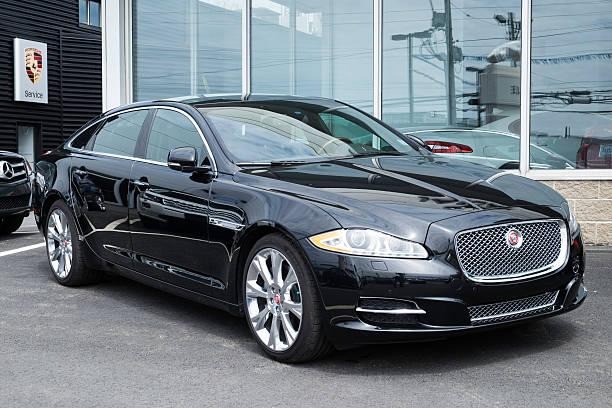
Atlanta is the capital of Georgia and one of the largest metropolitan areas in the southeastern United States. Atlanta is known for its heavy urban traffic, expanding suburban communities, and long commuter routes throughout the metro area. Luxury vehicles are commonly seen in neighborhoods such as Buckhead, Sandy Springs, and Midtown, where frequent stop-and-go traffic, highway driving, and sudden braking can gradually place added stress on braking systems over time.
Because brake performance is essential for both safety and vehicle handling, many owners rely on professional Jaguar repair in Atlanta to inspect and maintain their braking systems regularly. Routine brake service can help identify worn components early and reduce the risk of more expensive repairs or unsafe driving conditions.
Some of the most common warning signs of brake wear in a Jaguar include squealing or grinding noises, steering wheel vibration during braking, dashboard warning lights, and longer stopping distances. Ignoring these symptoms can reduce braking efficiency, increase wear on other components, and raise the risk of accidents if the problem continues to worsen.
4 Warning Signs of Brake Wear
1. Grinding or Squealing Noises While Braking
Squeaking noises generally indicate that the brake pads are getting thin. A grinding sound can occur as a result of metal-to-metal contact with the rotor, which can lead to serious damage. The sounds become louder when the car is moving slowly, parking the vehicle, or in slow traffic.
2. Steering Wheel Vibration During Braking
Vibration of the steering wheel usually indicates warped rotors or uneven brake pad wear. Drivers typically feel the vibration when braking at high speeds. Jaguar braking should provide the feeling of smoothness and stability, so vibration is a clear warning sign.
3. Brake Warning Light Stays On
The brake sensors in a Jaguar detect problems with the brake system. An amber dashboard warning light may turn on when there are worn pads, low brake fluid, or an electronic fault. Ignoring the light could lead to higher braking risks and higher repair costs.
4. Longer Stopping Distance
A Jaguar should be capable of stopping quickly once the brake pedal is pressed. If the vehicle is not stopping quickly as usual, then the brake system may not be functioning correctly.
Common causes include:
- Worn brake pads
- Damaged rotors
- Low brake fluid
- Faulty brake calipers
What Happens When Jaguar Brakes Start Wearing Out?
Jaguar brake systems are engineered to provide responsive handling with smooth stopping capabilities. Over time, brake pads, rotors, and sensors are subject to wear and tear due to constant friction and heat buildup. Many owners seeking Jaguar repair in Atlanta notice braking system problems through unusual noises, vibrations, or delayed braking response. Brake system issues are also considered one of the common reasons for car breakdowns, especially when early warning signs are ignored for long periods.
Recent automotive maintenance reports have identified neglected brake systems as one of the leading causes of expensive luxury vehicle repairs in the United States. Since Jaguar models are designed with high-performance braking systems, these issues often require quicker professional attention compared to standard passenger vehicles.
Key Takeaways
- Grinding sounds are a sign of extreme brake pad wear.
- Braking vibrations can be an indication of warped rotors.
- Never ignore brake warning lights.
- A longer stopping distance obviously reduces driving safety.
- Routine inspections can save costly brake repairs.
- High-end vehicles like Jaguar need timely brake maintenance.




Leave a Reply