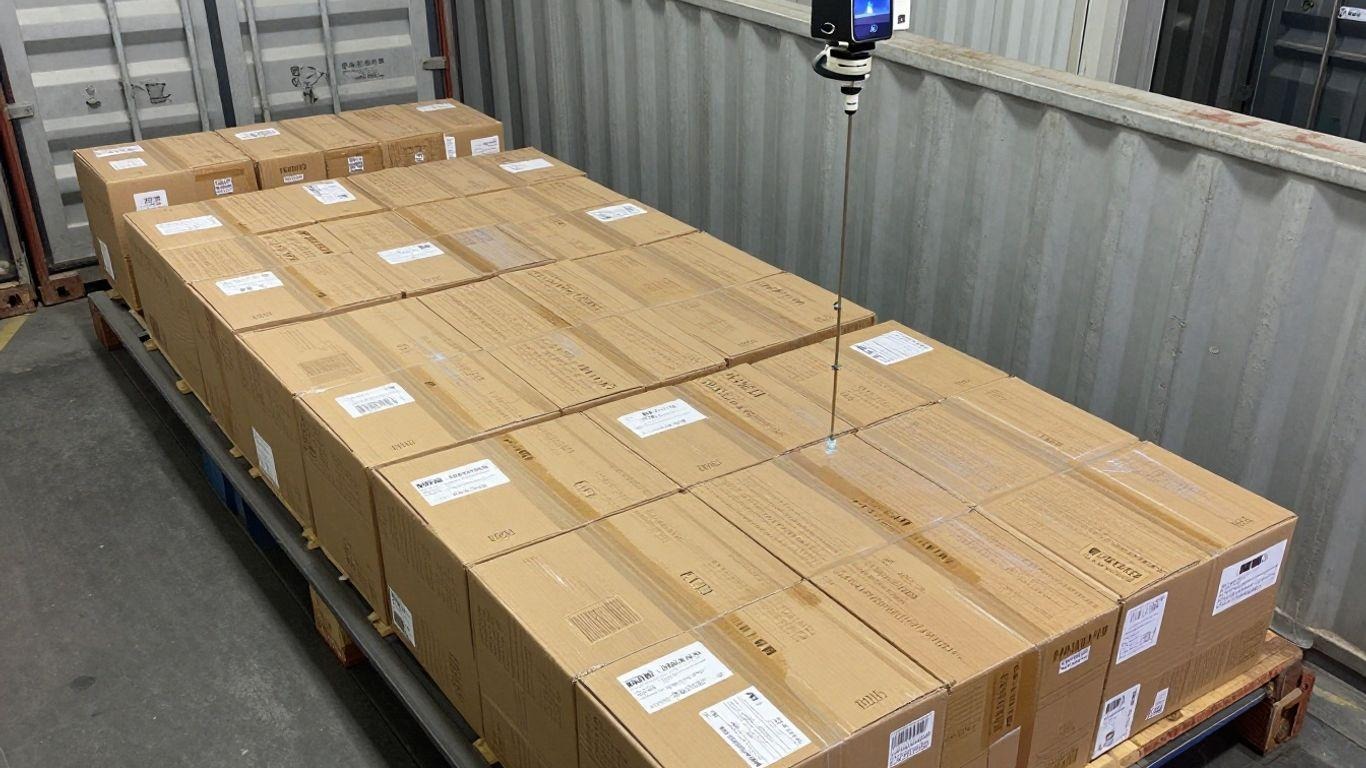
Why Shipment Dimensions Matter as Much as Weight
It’s easy to think that weight is the only thing that matters when shipping goods. But honestly, how much space your shipment takes up is just as important. Carriers plan their trucks and trailers based on volume, not just how heavy things are. If a shipment is bulky but light, it can still take up a lot of valuable space. This is where dimensioners come in. They measure the exact size of your cargo, giving carriers the full picture.
Think about it: a truck can only hold so much. If it’s filled with items that don’t fill the space efficiently, the carrier loses out on potential revenue. Accurate shipment dimensions help carriers figure out how many items can actually fit. This information is key to making sure trucks aren’t running half-empty. Understanding shipment dimensions is as critical as knowing the weight for efficient logistics.
This data helps carriers price shipments more accurately too. They use something called dimensional weight, or DIM weight, which is calculated based on the size of the package. If the dimensions aren’t right, the pricing can be off, leading to problems down the line. Freight dimensioners solve this by providing precise measurements every time.
The Role of Dimensioners in Freight Data Analysis
Freight dimensioners do more than just measure boxes; they provide a wealth of data that can be analyzed. This data helps carriers understand patterns in the types of shipments they handle. By looking at the dimensions of various goods, they can get a clearer picture of what’s moving through their network. This analysis is super helpful for planning.
With accurate data from dimensioners, carriers can really dig into their operations. They can see which types of shipments are most common, how they fit into trailers, and where there might be wasted space. This kind of insight is gold for improving how they do business. It’s all about using the information from freight dimensioners to make smarter decisions.
Analyzing shipment dimensions allows carriers to identify trends and optimize their entire operation, from how they load trucks to the routes they take. It’s a powerful tool for data-driven improvements.
This detailed look at shipment sizes helps carriers spot inefficiencies. Maybe certain types of packaging aren’t space-friendly, or perhaps there are opportunities to consolidate shipments more effectively. The data from dimensioners makes these issues visible.
Maximizing Efficiency by Understanding Shipment Dimensions
Knowing the exact dimensions of every shipment is a game-changer for efficiency. Carriers can use this information to plan their loads much better. Instead of just guessing, they have precise data on how items will fit together in a trailer. This means less wasted space and more shipments moved per day.
When carriers have accurate dimension data, they can optimize how they pack. This means fitting more product into the same amount of space, which directly cuts down on costs. It also helps them avoid situations where a shipment takes up more room than expected, causing delays or requiring extra vehicles. Maximizing efficiency starts with a clear understanding of shipment dimensions.
Here are a few ways understanding dimensions boosts efficiency:
- Better load planning: Knowing sizes helps arrange items for optimal space use.
- Reduced transit times: Efficient loads mean fewer trips and faster deliveries.
- Lower operational costs: Less wasted space and fewer trips save money on fuel and labor.
Ultimately, using freight dimensioners to understand shipment dimensions leads to a smoother, more cost-effective operation for everyone involved.
Optimizing Space and Reducing Costs with Dimensioners

Optimized Space Utilization and Cost Reduction
Freight dimensioners give carriers a clear picture of exactly how much space each shipment takes up. This isn’t just about knowing the size; it’s about using that knowledge to pack trucks and containers more efficiently. When you can accurately measure what you’re shipping, you can fit more onto each vehicle. This means fewer trips are needed, which directly cuts down on fuel costs and driver hours. It’s a simple concept: better space utilization equals lower operating expenses. The data from dimensioners helps carriers make smarter decisions about how to load their vehicles, avoiding wasted space that costs money.
Think about it like packing a suitcase. If you just throw things in, you’ll probably have a lot of empty spots. But if you roll your clothes and arrange them carefully, you can fit much more. Dimensioners do this for freight. They provide the exact dimensions needed to plan the most compact and efficient load possible. This careful planning, driven by accurate dimension data, is key to reducing overall shipping costs and making the entire process more profitable for the carrier.
Ultimately, the goal is to maximize the use of every cubic inch of available space. Dimensioners make this possible by providing the precise measurements needed for optimal load planning. This focus on space optimization, powered by dimensioner technology, is a direct path to significant cost savings and improved operational efficiency for any freight carrier.
The Financial Benefits of Accurate Dimensioning
Accurate dimensioning isn’t just a nice-to-have; it’s a financial game-changer. When carriers use dimensioners, they get precise measurements for every shipment. This accuracy means the prices quoted to customers are much closer to the final bill. No more surprise charges or disputes because the initial size estimate was off. This reliability builds trust and reduces administrative headaches.
Beyond customer billing, accurate dimension data helps carriers calculate their own costs more precisely. Knowing the exact volume and weight of shipments allows for better planning of resources, like truck capacity and fuel consumption. This leads to more predictable budgeting and fewer unexpected expenses. The financial benefits of accurate dimensioning are clear: reduced disputes, better cost control, and a more stable bottom line.
Mitigating Unexpected Surcharges and Fees
Unexpected surcharges and fees can eat into a carrier’s profits. These often pop up when shipments are measured inaccurately, leading to incorrect freight classifications or unexpected weight charges. Dimensioners eliminate this guesswork. By providing exact measurements, they ensure that shipments are classified correctly from the start.
This means carriers can avoid paying or passing on fees that arise from measurement errors. It’s about playing by the rules and having the data to prove it. The use of dimensioners helps carriers maintain fair pricing and avoid the financial penalties associated with inaccurate shipping data. This proactive approach to measurement accuracy is a smart way to protect revenue and maintain a competitive edge in the logistics industry. The consistent data provided by dimensioners is a powerful tool against these costly surprises.
Enhancing Carrier Operations Through Dimensioning

Improving Load Planning and Cube Utilization
Freight dimensioners give carriers a clear picture of what’s coming their way. This means better planning for how to fit everything into the truck. Knowing the exact size of each shipment helps avoid empty spaces, making sure every bit of room is used. This is key for maximizing cube utilization, which directly impacts how much you can haul.
Accurate dimension data is a game-changer for load planning. It lets carriers pack more efficiently, reducing the number of trips needed. When you can fit more on one truck, you save on fuel, driver time, and wear and tear on the vehicle. It’s all about making the most of the space you have.
This improved planning isn’t just about filling up trucks; it’s about smart logistics. It means less wasted space and more revenue per trip. Freight dimensioners help carriers get this right, every time.
Streamlining Route Planning and Equipment Selection
Understanding shipment dimensions goes beyond just loading the truck. It also plays a big part in planning the best routes. Some loads might be too tall for certain bridges or too wide for narrow roads. Having precise dimension data upfront means carriers can avoid these issues and pick the most efficient paths.
This also helps in selecting the right equipment. If a carrier knows a load’s dimensions, they can choose the most appropriate trailer size or type. This avoids using a larger truck than necessary, saving fuel and reducing costs. It’s about matching the load to the right tool for the job.
Using freight dimensioners to get exact measurements means carriers can make smarter decisions about routes and equipment, cutting down on potential delays and extra expenses.
Providing Accurate Arrival Estimates to Customers
When carriers use dimensioners, they get a more reliable picture of their cargo. This accuracy translates directly into better service for customers. Knowing the exact size and number of shipments allows for more precise scheduling and load sequencing.
This means carriers can give customers more dependable estimates for when their goods will arrive. No more guessing games or vague timeframes. Customers appreciate knowing when to expect their deliveries, which builds trust and satisfaction.
Ultimately, the precision offered by freight dimensioners helps carriers manage expectations and improve the overall customer experience. It’s a win-win for everyone involved in the shipping process.
Leveraging Software for Dimension-Based Planning
Integrating Dimension Data into Transportation Management Systems
Modern logistics rely heavily on software to keep things running smoothly. Transportation Management Systems (TMS) are a prime example. By feeding accurate freight dimension data into your TMS, you can start making smarter decisions right away. This data helps the system understand exactly how much space each shipment takes up, which is just as important as knowing its weight.
Think of it like this: your TMS can then use this information to figure out the best way to group shipments together. It’s not just about fitting things in; it’s about fitting them in efficiently. This integration means less guesswork and more data-driven planning for every load. The goal is to make sure every bit of space in a truck or container is used wisely.
This approach helps avoid those annoying situations where a shipment turns out to be bigger than expected, leading to extra charges. When your TMS knows the dimensions upfront, it can flag potential issues before they even happen. It’s all about using the software to get a clear picture of your freight.
Utilizing 3D Modeling and Cube Utilization Tools
Beyond just basic dimensions, advanced software offers tools like 3D modeling and cube utilization calculators. These tools take the raw dimension data and create a visual representation of how shipments will fit together. It’s like having a virtual puzzle solver for your cargo. You can see exactly how different shapes and sizes will stack and arrange within a transport vehicle.
These tools are fantastic for identifying opportunities to consolidate shipments. Maybe two smaller boxes can fit perfectly into a space that would otherwise be empty. By maximizing cube utilization, carriers can fit more freight into the same amount of space, which directly translates to lower costs per shipment. It’s a smart way to get the most out of every truckload.
This visual planning helps prevent wasted space. Instead of just guessing, you can use these software features to plan the most compact and stable load possible. It’s a significant step up from traditional planning methods that often relied on experience and estimation.
Automating Calculations for Real-Time Load Optimization
The real game-changer is when software automates these calculations. Instead of manually inputting data or trying to figure out load configurations yourself, the system does it for you. This automation is key for real-time load optimization. As new orders come in, the software can instantly assess how they fit into existing or planned loads.
This means carriers can react quickly to changes and make adjustments on the fly. If a last-minute shipment needs to be added, the software can immediately tell you if there’s space and how it impacts the rest of the load. This speed and accuracy are vital in today’s fast-paced logistics environment. The ability to automate dimension-based planning is what truly helps carriers optimize space.
Automated systems reduce the chance of human error, which can be costly. By letting the software handle the complex calculations, carriers can focus on other aspects of their operations. It’s about making the entire process faster, more accurate, and more profitable. This is where dimensioning software really shines.
The Advantages of Dimensioners for Shippers and Customers
Ensuring Reliable Shipping Estimates
Freight dimensioners bring a new level of certainty to shipping quotes. Before these devices, estimates were often based on guesswork or less precise methods, leading to surprises down the line. Now, with accurate measurements from dimensioners, the initial shipping estimates given to customers are much more dependable. This means fewer unexpected changes between the quote and the final bill, making the whole process smoother for everyone involved.
The precision offered by dimensioners means that the quoted price is far more likely to be the final price. This reliability builds trust and reduces the back-and-forth that used to happen when bills didn’t match expectations. It’s a simple change, but it makes a big difference in how customers perceive the shipping service.
Reducing Billing Disputes and Customer Frustration
Nobody likes getting a bill that’s higher than they expected. Inaccurate measurements were a common culprit for this, causing frustration for both shippers and customers. Dimensioners eliminate this issue by providing exact dimensions every time. This accuracy means fewer billing disputes and less time spent by customer service teams explaining price discrepancies.
When customers receive accurate estimates upfront, they can budget more effectively and avoid the annoyance of unexpected charges. This leads to a more positive customer experience and fewer headaches for the shipping company. It’s a win-win situation that cuts down on administrative work and improves satisfaction.
Enhancing Shipper-Carrier Relationships
Clear and accurate data is the bedrock of good business relationships. Freight dimensioners provide that clarity by standardizing how shipment sizes are recorded. When carriers have precise dimensional data, they can plan loads more effectively and avoid issues that might arise from incorrect information.
This improved planning and accuracy, thanks to dimensioners, leads to more efficient operations for carriers. For shippers, it means they can trust their carriers to provide reliable service and fair pricing. This mutual trust, built on accurate data, strengthens the overall partnership between shippers and carriers, making future collaborations easier and more productive.
Best Practices for Implementing Freight Dimensioners
Getting the most out of freight dimensioners means setting them up right and keeping them running smoothly. It’s not just about buying the equipment; it’s about making sure it works for you day in and day out. Think of it like getting a new tool for your workshop – you wouldn’t just leave it in the box, right? You’d figure out how to use it best and keep it in good shape.
Ensuring Accurate Measurements for Every Shipment
Accuracy is the name of the game with dimensioners. If the measurements aren’t right, then all the data you get from the freight dimensioner is off, and that messes up your planning. So, the first step is making sure the system is set up correctly from the start. This means checking that the sensors are aligned and that the software is configured for the types of shipments you handle. Regular checks, maybe weekly or monthly depending on your volume, can catch small issues before they become big problems. It’s better to catch a slight drift in measurement early than to have a whole batch of shipments with incorrect data.
Integrating Dimension Data with Warehouse Management Software
Just having accurate measurements isn’t enough if that data sits in a silo. The real power comes when you connect your dimensioning system to your Warehouse Management Software (WMS) or Transportation Management System (TMS). This integration lets the dimension data flow automatically into your planning processes. Imagine knowing the exact dimensions of every item as it’s scanned. This information can then be used to optimize how you pack pallets, fill trucks, and even plan warehouse layouts. It makes the whole operation more efficient, reducing wasted space and time.
Regularly Calibrating Dimensioning Systems
Like any measuring tool, dimensioners need to be calibrated. Over time, wear and tear, or even environmental changes, can cause them to become less accurate. Setting up a schedule for regular calibration is key. This isn’t a one-and-done thing; it’s an ongoing process. Depending on how much you use the system and the environment it’s in, you might need to calibrate monthly, quarterly, or even more often. Keeping your freight dimensioners calibrated means you can trust the data they provide, which is vital for accurate load planning and cost calculations. It’s a simple step that pays off big time in the long run.
Wrapping It Up
So, it’s pretty clear that getting a handle on freight dimensions is a big deal for carriers. Using things like dimensioners and smart software means less guesswork and more accurate pricing. This not only helps carriers avoid surprise fees and make sure they’re charging correctly, but it also makes things smoother for everyone down the line. When space is used better and planning is more on point, it just makes the whole shipping process work a lot better, saving time and money for all involved.


Leave a Reply