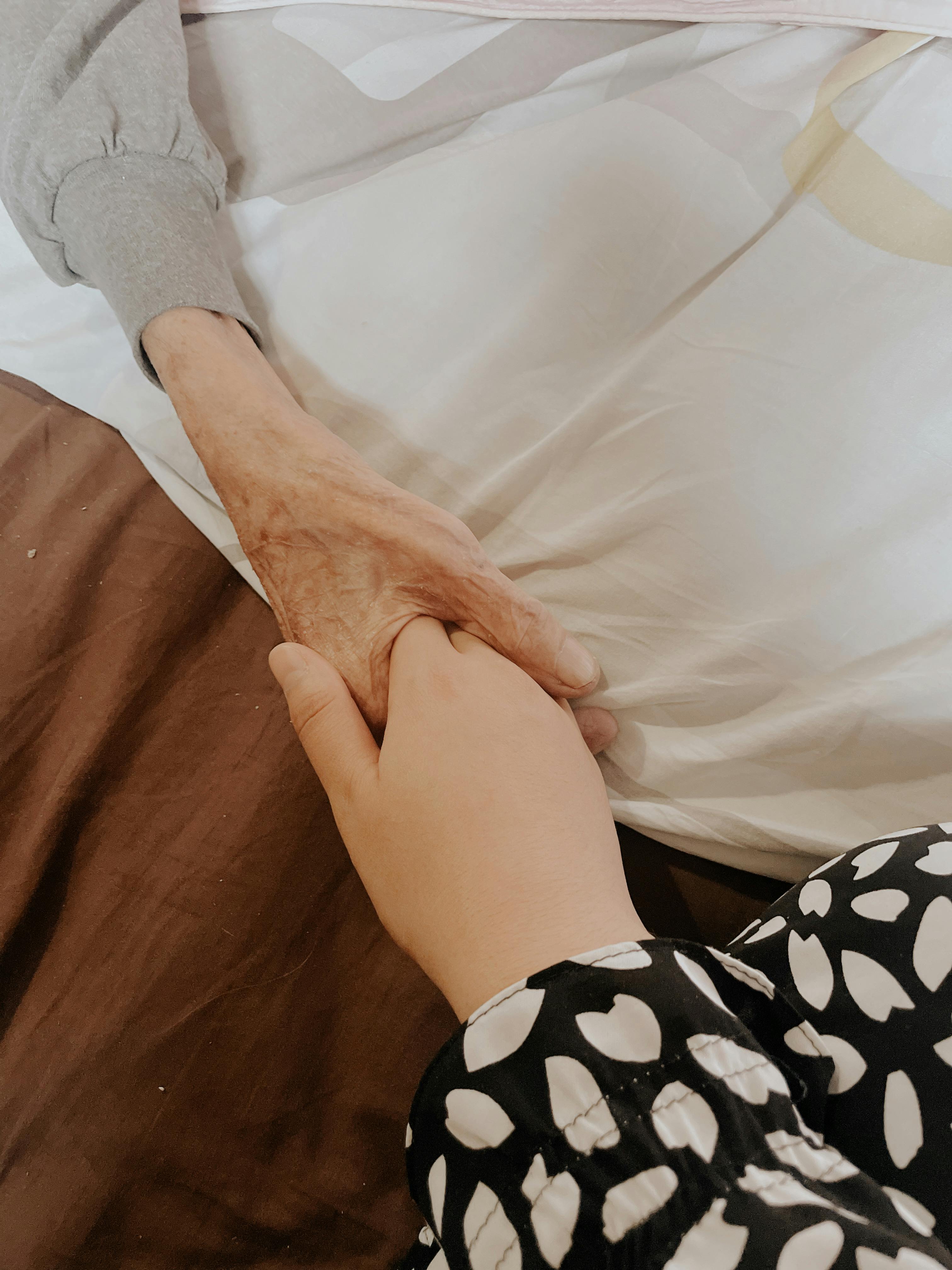
Providing care at home requires more than routine assistance. It calls for a deep understanding of complex health conditions, especially those that affect memory and behavior. Dementia presents unique challenges that demand thoughtful, well-prepared caregivers. In home care franchising, proper dementia training ensures consistent, high-quality support while also strengthening trust between families and care providers.
Home care franchises sometimes serve individuals with cognitive decline, making specialized knowledge essential. Many clients rely on dementia home care services that are structured around safety, emotional stability, and personalized attention. Without proper training, caregivers may struggle to respond effectively to symptoms such as confusion, agitation, or memory loss. Training builds the confidence needed to handle these situations with care and professionalism.
Understanding The Role Of Dementia Training In Franchising
Dementia training is not just an added feature; it is a core requirement for delivering dependable care. Franchises operate on established systems, and standardized training ensures that every caregiver follows best practices.
Key Benefits Of Dementia Training
- Improved Client Safety: Trained caregivers recognize risks like wandering or falls and take preventive steps to reduce harm.
- Better Communication Skills: Understanding how dementia affects language helps caregivers respond with patience and clarity.
- Consistent Care Standards: Franchises maintain uniform service quality across locations through structured training programs.
- Enhanced Emotional Support: Caregivers learn to manage mood changes and provide reassurance during stressful moments.
Training also reduces caregiver stress by providing practical tools for daily challenges. A well-trained team creates a stable environment where clients feel secure and respected. Choosing the right dementia care programs supports consistent training, safer responses, and dependable client care across home care settings.
Strengthening Franchise Reputation Through Skilled Care
A strong reputation is essential in the home care industry. Families seek providers who demonstrate reliability and compassion, especially when dealing with cognitive conditions. Dementia training directly contributes to this trust by ensuring caregivers are equipped to deliver thoughtful and attentive service.
How Training Supports Business Growth
- Higher Client Satisfaction: Families notice the difference when caregivers respond calmly and effectively.
- Increased Referrals: Positive experiences encourage word-of-mouth recommendations.
- Regulatory Compliance: Training helps franchises meet care standards and avoid legal complications.
- Employee Retention: Skilled caregivers feel more capable and are more likely to stay in their roles.
Midway through service delivery, the importance of dementia home care services becomes even clearer. Clients sometimes require ongoing adjustments to their care plans, and trained caregivers can adapt without disrupting routines. This flexibility strengthens long-term relationships between families and care providers.
Creating A Compassionate Care Environment
Dementia affects more than memory; it influences behavior, emotions, and daily functioning. Training helps caregivers understand these changes and respond with empathy. This approach creates a calm, supportive atmosphere that improves the overall care experience.
Franchises that invest in thorough training programs set a higher standard in the industry. They ensure caregivers are prepared not only to assist with daily tasks but also to provide meaningful interaction. This level of care supports dignity and independence, even as cognitive abilities change.
Choosing The Right Dementia Care Specialists For Consistent Client Support
Selecting the right dementia care programs requires attention to training structure, caregiver guidance, safety practices, and ongoing education. Professional programs help caregivers manage behavior changes, support daily routines, reduce care gaps, and maintain steady service quality as client needs change over time.
In home care franchising, dementia training plays a vital role in shaping both service quality and business success. It equips caregivers with the knowledge and confidence needed to deliver reliable, compassionate care while building lasting trust with families.




Leave a Reply