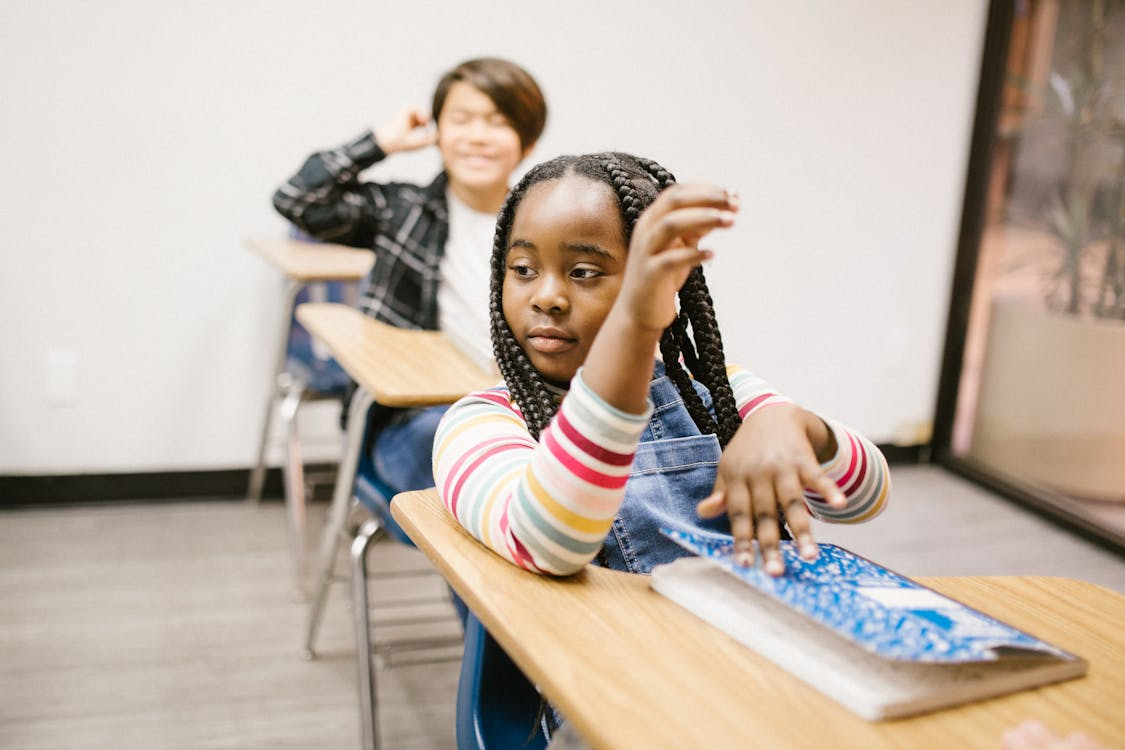
Schools are supposed to be safe spaces where children can learn, build friendships, and develop confidence. Parents trust teachers and school staff to care for their children during the day, which is why reports of abuse in educational settings are especially disturbing. While many schools work hard to create supportive environments, child care abuse can still happen behind closed classroom doors. In some situations, emotional mistreatment, neglect, intimidation, or inappropriate discipline may go unnoticed for long periods of time. The problem often continues because children are afraid to speak up or do not know how to explain what they are experiencing.
Why Children Often Stay Silent
One of the biggest reasons abuse continues in schools is that children may fear the consequences of reporting it. Younger students, especially, tend to trust adults in authority and may believe they will not be taken seriously if they complain. Some children worry about getting in trouble, while others fear being embarrassed in front of classmates. Emotional abuse can also be difficult for children to recognize because it may happen gradually over time. A child who is constantly criticized, ignored, or humiliated may begin to believe that treatment is normal. This silence allows harmful behavior to continue without immediate attention from parents or administrators.
Lack of Oversight and School Pressure
Many schools face overcrowded classrooms, staffing shortages, and growing pressure to meet academic expectations. While these challenges never excuse abusive behavior, they can create situations where warning signs are missed. Administrators often juggle multiple responsibilities, which may reduce the level of supervision within classrooms and student care areas. In some cases, complaints are overlooked because schools fear reputational damage or negative attention from the community. Without proper accountability, inappropriate behavior may continue longer than it should. Schools that lack strong communication between staff, parents, and students may struggle to identify problems early.
Creating Safer Learning Environments
Preventing abuse in schools starts with awareness, communication, and accountability. Parents should maintain open conversations with their children and pay attention to sudden emotional or behavioral changes. Schools must also encourage transparent reporting systems where students feel safe sharing concerns without fear of punishment. Proper staff training, active supervision, and emotional support programs can help create healthier classroom environments for everyone involved. When communities work together to prioritize student well-being, schools become safer and more supportive places for children to grow. Protecting children should always take precedence over protecting reputations, because every child deserves to feel respected, valued, and secure while receiving an education.
Creating safer schools requires stronger communication, active supervision, and a commitment to protecting every student’s emotional and physical well-being. Awareness of childcare abuse is essential because many warning signs can remain hidden when children are afraid to speak out. Parents, teachers, and school administrators must work together to build environments where students feel respected, supported, and safe every day. When schools prioritize accountability and trust, children are more likely to grow and learn in healthy and positive environments.




Leave a Reply