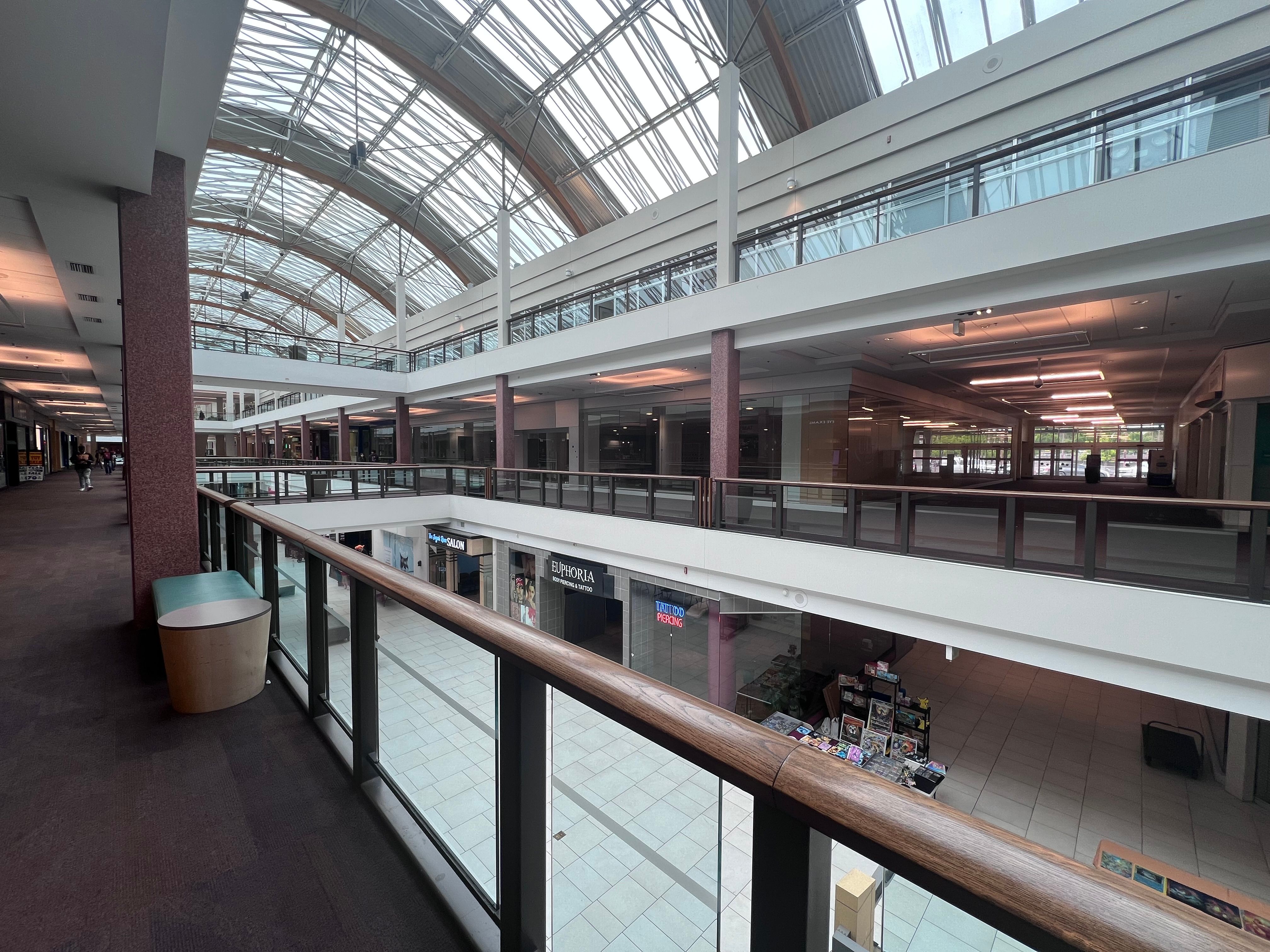
Walk through any city centre, shopping district, exhibition hall or transport hub and you will encounter countless surfaces competing for attention. Some remain blank and unnoticed, while others become powerful communication tools that tell stories, reinforce identities and create memorable experiences.
For businesses, organisations and designers, empty spaces represent far more than unused real estate. They offer opportunities to engage audiences, communicate values and transform ordinary environments into meaningful visual experiences. The ability to recognise and utilise these opportunities has become increasingly important in a world where capturing attention is more challenging than ever.
Looking Beyond the Blank Surface
An empty wall, window, fence or building façade may appear insignificant at first glance, but effective designers see potential where others see nothing. Every surface has the capacity to support a message, evoke an emotion or contribute to a larger narrative.
The most successful visual campaigns begin by asking a simple question: what story should this space tell? The answer influences every decision that follows, from design choices and materials to placement and scale.
Rather than viewing space as something to fill, experienced designers approach it as a canvas that can support a carefully crafted message.
Why Stories Capture Attention Better Than Advertisements
People naturally respond to stories. A message that communicates purpose, personality or emotion is often far more effective than one focused solely on promotion.
When businesses use visual spaces to tell stories, they create opportunities to connect with audiences on a deeper level. A retail display can communicate brand heritage, an exhibition stand can demonstrate innovation and a public installation can reflect community values.
This approach transforms visual communication from a simple sales tool into an experience that encourages engagement and recall.
Turning Large Spaces into Brand Experiences
Large-format graphics have become increasingly important because they allow organisations to create immersive visual environments. Rather than delivering information through a single sign or poster, businesses can use entire surfaces to communicate their message.
Materials such as those offered by Soyang Europe enable designers to produce impactful graphics across a wide range of applications. Whether covering construction hoardings, building exteriors, event spaces or promotional installations, these solutions help transform large-scale environments into opportunities for storytelling and brand engagement.
The result is often a more memorable experience for audiences and a stronger connection between the message and its surroundings.
Context Shapes the Story
One of the most overlooked aspects of visual storytelling is location. The same graphic can have dramatically different effects depending on where it is placed.
A message displayed within a retail environment may encourage purchasing decisions, while the same message positioned within a public space could influence awareness or perception. Designers therefore consider not only what the audience will see but also how they will encounter it.
Understanding the context of a space allows visual communication to feel more relevant, purposeful and impactful.
Creating Curiosity Through Design
Not every story needs to reveal everything immediately. In many cases, the most effective visual spaces are those that encourage curiosity.
Strategic use of imagery, typography, colour and scale can prompt audiences to look more closely and engage more deeply with a message. This sense of discovery often increases retention because viewers become active participants in the experience rather than passive observers.
When used effectively, even a simple visual installation can spark conversations and create lasting impressions.
The Growing Importance of Visual Environments
As consumers encounter more digital content than ever before, physical spaces have become increasingly valuable communication channels. People may scroll past online advertisements within seconds, but a well-executed visual environment can hold attention for far longer.
This shift has encouraged businesses to think more strategically about how physical spaces contribute to their overall brand presence. Walls, windows, barriers, exhibition structures and building exteriors are no longer viewed as purely functional elements. Instead, they are recognised as opportunities to extend brand narratives into the real world.
Finding Stories Where Others See Empty Space
The difference between an empty space and a storytelling opportunity often comes down to perspective. Designers, marketers and brand strategists understand that every surface has the potential to communicate something meaningful.
By combining creativity, thoughtful design and an understanding of audience behaviour, ordinary spaces can become powerful storytelling tools. Whether used to build awareness, strengthen brand identity or create memorable experiences, these transformed environments demonstrate that some of the most effective stories begin with a blank canvas and the vision to see what it could become.




Leave a Reply