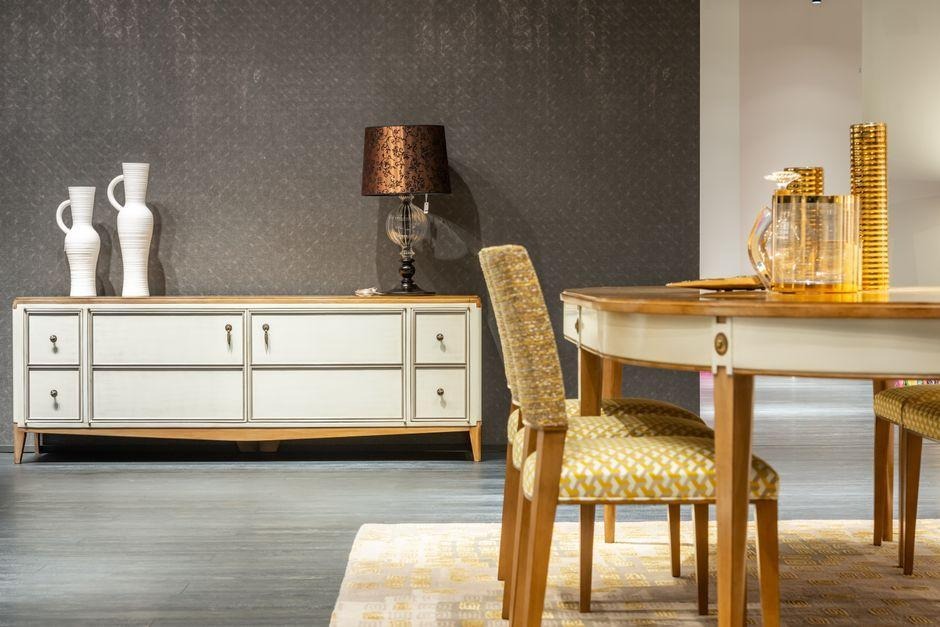
A dining room can be one of the trickiest spaces in your home. You want it to look nice, but you also need it to survive spaghetti night, holiday chaos, and the random pile of mail that somehow lands on every flat surface. The good news is you don’t need a giant budget or a design degree to make it feel better. A few smart changes can turn the room into a space that looks polished and still works for real life.
Start with purpose
Before you buy a table, swap a light fixture, or fall in love with a color online, stop and ask one simple question: what do you need this room to do? That sounds obvious, but it saves you from creating a beautiful room that annoys you every day.
If your family eats there most nights, comfort matters a lot. If you mostly use it for holidays, you may care more about extra seating and a dressier feel. If the room also handles homework, game night, or work calls, that changes your choices too. When redesigning your dining room, it helps to think about the table size, storage needs, and how formal or relaxed you want the space to feel.
Try making a short list of your real habits. Not your dream habits. Your real ones. If cereal and school backpacks show up here more than candlelit dinners, design for that life first.
Pick a focal point
Every dining room needs one star player. It could be the table, a dramatic light fixture, a bold rug, or even an accent wall. The point is to give your eye one place to land so the room feels pulled together instead of a little random.
For most homes, the dining table makes the best focal point because it’s the biggest and most used piece. If you already have a solid table, build around it. Add chairs that complement it instead of fighting it. If your table is simple, you can let the light fixture do the heavy lifting.
Try not to make every item shout for attention. A sparkly chandelier, patterned wallpaper, bright chairs, and a wild centerpiece can turn into a design food fight. Pick one bold feature and let the other pieces support it.
If you’re unsure, go classic. A good table with clean lines is hard to regret. It’s the mashed potatoes of furniture choices. Reliable, crowd-pleasing, and always welcome.
Fix the room flow
A dining room can look great in photos and still be a pain to use. That usually comes down to flow. If people have to do a sideways crab walk to get to their seat, the room needs help.
Start with chair space. You want enough room to pull chairs out without bumping into walls or another piece of furniture. Walk around the table and notice where things feel tight. If the room is small, a round table can soften corners and make moving around easier.
Also think about what lives nearby. If the dining room connects to the kitchen, keep paths clear for carrying plates and drinks. Nobody wants an obstacle course while holding hot soup. If you have a sideboard or cabinet, place it where doors and drawers can open without blocking traffic.
Sometimes better flow has nothing to do with buying new furniture. You may just need to remove one oversized piece, shift the rug, or choose slimmer chairs. A room that breathes feels bigger, calmer, and much easier to enjoy.
Choose warm lighting
Lighting changes everything. The same room can feel harsh, cozy, fancy, or sleepy depending on what’s glowing overhead. In a dining room, warm lighting usually wins because it makes the space feel welcoming and makes food look less sad.
A central fixture above the table is the usual starting point. It helps define the dining area and gives the room a finished look. If your fixture feels too small, too bright, or too dated, replacing it can have a huge payoff.
Then think about layers. A chandelier or pendant handles the main job, but wall sconces, a nearby lamp, or even dimmers can make the room more flexible. Bright enough for homework. Soft enough for dinner. Not every meal needs to feel like a school cafeteria.
Pay attention to bulb warmth too. Cooler bulbs can feel sharp and clinical. Warmer ones tend to flatter both people and paint colors. If you only change one thing in your dining room, lighting might be the sneaky hero that makes everything else look better.
Mix comfort and style
A dining room should look nice, but if the chairs are uncomfortable after 20 minutes, people will notice. Fast. Style matters, but comfort is what makes people want to stay for dessert.
When choosing chairs, think about who uses them most. Upholstered seats feel softer and more inviting, though they may need more care if kids or pets are regular guests. Wood or mixed-material chairs can be easier to clean and still look warm if you add cushions.
Texture helps too. A rug under the table can soften the room and make it feel finished. Curtains, seat pads, and a simple runner add comfort without much effort. If your table has a hard or glossy finish, balance it with softer elements nearby.
You don’t have to match everything exactly. In fact, a little variety often feels more lived-in and less stiff. Just keep one common thread, like color tone, shape, or finish. That way the room feels collected on purpose, not assembled during a blindfold challenge.
Add simple personality
Once the big pieces are in place, the room needs a little character. This is where you make it feel like your home instead of a furniture showroom where nobody is allowed to touch anything.
Artwork is an easy starting point. One large piece can anchor a wall, or you can group smaller frames for a casual look. A mirror can also work well, especially if the room feels dark or narrow. It bounces light around and makes the space feel more open.
Plants bring life to a dining room, even if you only manage one low-maintenance leafy survivor. A centerpiece can be as simple as a bowl, a vase, or a candle grouping. Keep it low enough so people can actually see each other across the table.
If you have room, a sideboard or cabinet adds both style and useful storage. It gives you a place for serving pieces, table linens, or those special dishes that only appear during family feasts. Personality works best when it’s practical too.
Make it budget-friendly
You do not need to redo everything at once. In fact, that’s often the fastest way to blow your budget and end up eating takeout among cardboard boxes. A phased approach is usually smarter.
Start by deciding where to splurge. For most people, that means the table, chairs, or lighting. These pieces affect how the room looks and functions every day. Save on decor, paint, or small accessories that are easier to swap later.
A simple plan can help:
- Buy the main furniture first
- Update lighting next
- Add textiles and wall decor last
- Leave room in the budget for surprises
Also, measure everything before you order. Really. Dining room mistakes often come from wishful thinking and not enough tape measure action. A good layout beats a trendy purchase every time.
If you take your time and focus on how you actually live, your dining room will feel better with each step. The goal isn’t perfection. It’s a space that works well, feels warm, and makes everyday meals a little more enjoyable.




Leave a Reply