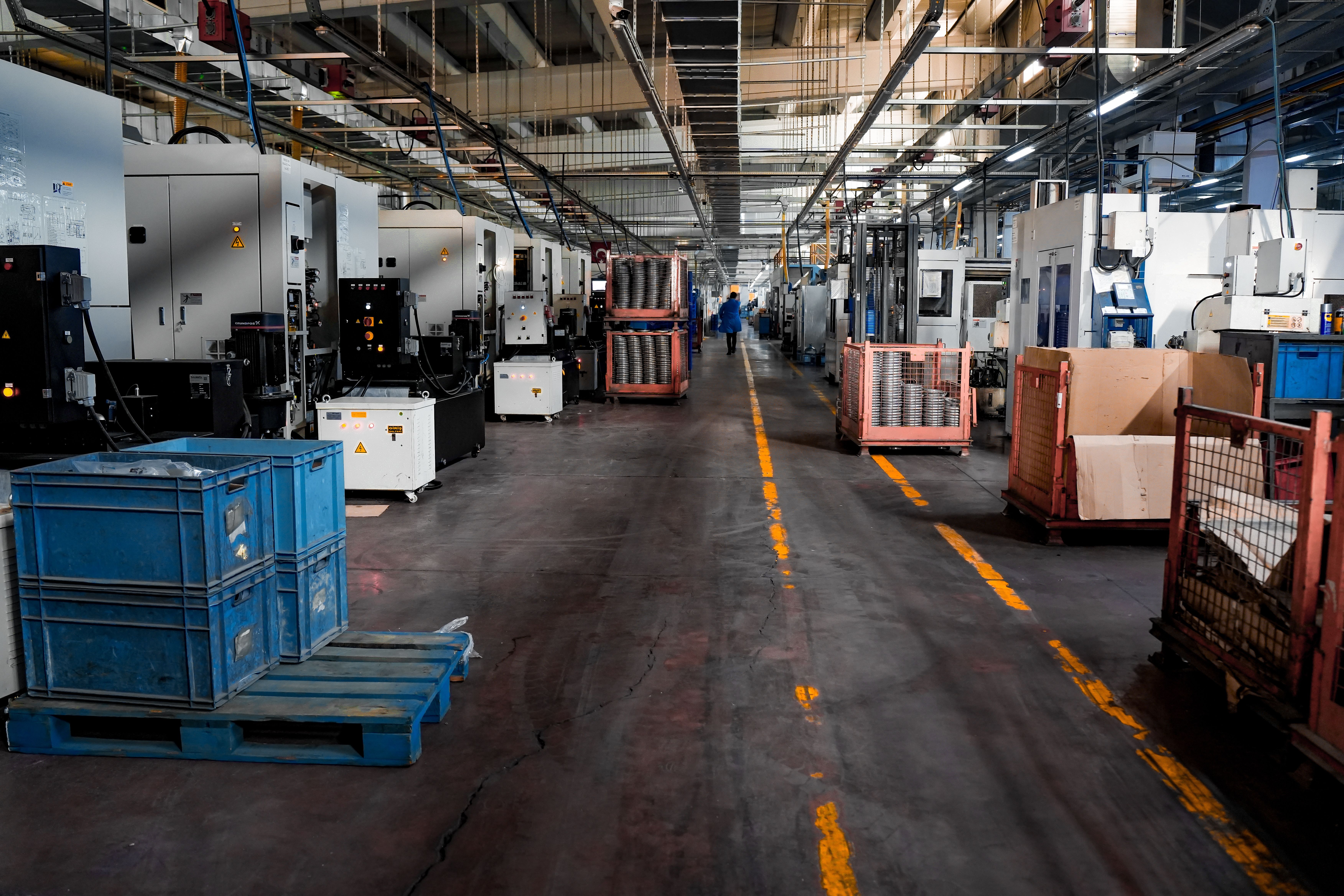
Modern manufacturing facilities have evolved far beyond basic production spaces; they are highly sophisticated, interconnected ecosystems where safety, precision, and efficiency must align perfectly. In a highly competitive global market, operations managers face the continuous challenge of maximizing output while minimizing costly downtime. Achieving this delicate balance requires more than just hard work—it demands a strategic layout of facility essentials. From the physical infrastructure to data-driven digital layers, every component must be optimized to ensure long-term viability, environmental compliance, and seamless scalability. Modern industrial design increasingly incorporates sustainability practices such as waste reduction and energy-efficient systems to keep operations economically viable over the long term.
Safety: The Undeniable Foundation
Before evaluating production speeds or automation capabilities, a facility must establish a robust foundation of safety. Sustainable operational success is impossible without comprehensive hazard identification, continuous employee training, and strict compliance with modern regulatory frameworks. Protecting the workforce requires visible infrastructure investments, including clear industrial signage, advanced machine guarding, and well-rehearsed emergency response plans.
Continuous improvement in safety systems ensures that protocols are not only documented but actively practiced on the floor daily. Beyond physical barriers, modern facilities leverage digital monitoring tools and incident reporting software to mitigate risks before accidents occur. When leadership actively fosters a proactive safety culture, it does more than protect human capital; it builds operational confidence, drastically reduces disruptive line stoppages, and strengthens the overall bottom line.
Interconnected Systems and Smart Automation
An efficient factory floor relies on a complex web of integrated systems working in harmony. This infrastructure spans power distribution, advanced automation controls, localized HVAC environments, and material handling mechanisms. When these systems communicate fluidly, they unlock real-time visibility into production flows, allowing teams to isolate and eliminate operational bottlenecks immediately.
For instance, pneumatic workflows rely heavily on pressurized air networks; utilizing premium compressor components ensures that pressure levels remain stable, preventing sudden machinery stalls or micro-downtime events. Furthermore, integrating Internet of Things (IoT) sensors across these equipment networks enables remote monitoring and predictive diagnostics, ensuring that management can make rapid, data-backed decisions. Prioritizing system resilience equips facilities to handle emergencies and maintain production continuity under immense pressure.
Predictive Maintenance and Material Reliability
Transitioning from reactive firefighting to predictive maintenance is essential for modern operational reliability. Regular inspections, structured lubrication routines, and proactive component replacements significantly extend machinery lifespans while slashing emergency repair costs.
Reliability also depends on the smaller, often overlooked hardware that secures facility infrastructure. For example, technicians frequently utilize heavy duty stainless steel cable ties to firmly secure complex wiring bundles and utility hoses. This ensures that critical electrical and mechanical pathways remain neatly organized, well-protected against harsh industrial environments, and easily accessible for routine servicing. Built-in system redundancies, such as backup power grids and fail-safe controls, further safeguard the plant against unexpected external disruptions.
Driving Efficiency Through Lean Innovation
True operational efficiency requires a culture of continuous improvement and the adoption of lean manufacturing principles. By eliminating waste and optimizing resource allocation, facilities can drastically improve their production margins. Today, forward-thinking organizations are pairing these lean principles with advanced technologies like real-time analytics and artificial intelligence. These tools forecast shifting demand patterns and optimize production schedules dynamically, ensuring that the facility operates at peak capacity without overextending resources. Thorough workforce training ensures that skilled employees can adapt to these new digital workflows with minimal friction.
Conclusion
Thriving in the modern industrial landscape requires a holistic approach. When safety, integrated automation, meticulous maintenance, and technological innovation function as a unified strategy, a manufacturing facility becomes truly resilient. By balancing cutting-edge technological discipline with strong operational fundamentals, industrial organizations position themselves for sustained growth, profitability, and global competitiveness in an increasingly demanding global economy.




Leave a Reply