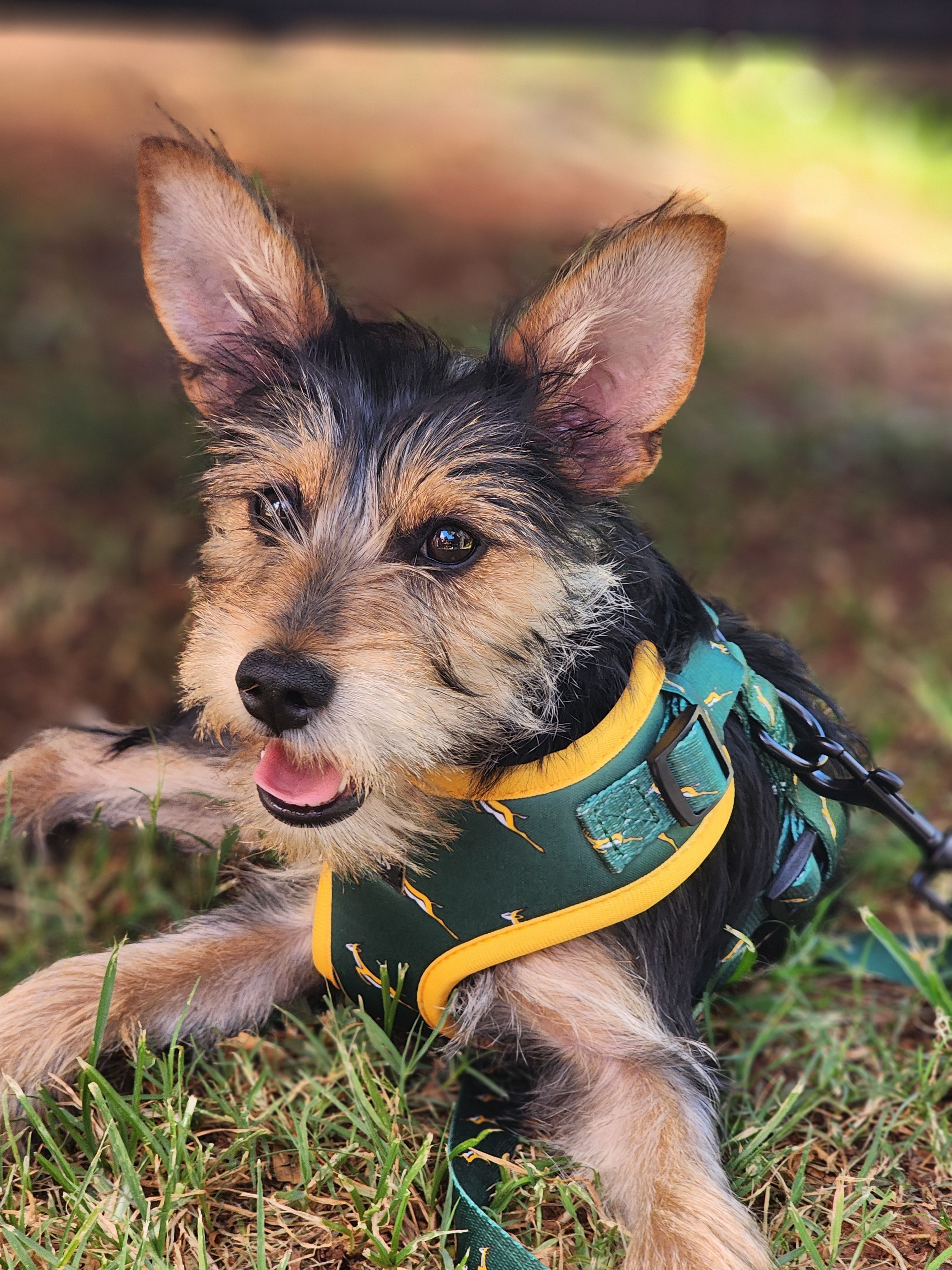
Persistent leash pulling can turn a routine walk into a physical contest. The behavior may reflect excitement, fear, frustration, or simple momentum. A dual-clip harness gives handlers more ways to direct that force without placing concentrated pressure on the neck. Its attachment points support different walking conditions, from controlled training sessions to relaxed outings. Results depend on accurate fitting, gradual instruction, and close attention to the dog’s posture, breathing, and comfort throughout each trip.
Why Clip Position Matters
Leash placement changes how force travels through a dog’s body. A rear attachment follows forward motion, while a chest attachment can shift the shoulders sideways during a lunge. For owners comparing harnesses with front and back D-rings, that distinction offers useful flexibility. The front point can assist during training, while the rear point may suit animals that already maintain a loose lead during familiar walks.
How Front Connection Changes Pressure
A front D-ring sits near the sternum, rather than along the spine. When a dog surges ahead, tension can rotate the chest and redirect the shoulders. That mechanical change reduces the body’s ability to drive straight forward. Handlers can slow movement before pulling escalates. Gentle guidance works best, since sharp force may increase anxiety, resistance, or defensive behavior in sensitive animals.
What Back Connection Adds
A rear D-ring allows a natural stride for dogs with dependable leash habits. The position leaves the chest unobstructed during steady walking, sniffing, and moderate exploration. It can suit quiet streets, open trails, and familiar routes with limited stimulation. Animals that no longer lunge at passing distractions may find this attachment more comfortable. Handlers still need to monitor tension, especially near roads, wildlife, or unfamiliar dogs.
Matching Clip to Situation
Busy surroundings often require closer directional control. A front connection may help near traffic, crowded paths, doorways, or highly stimulating greetings. Quiet parks can allow you to use the rear point, especially after reliable training. Some handlers connect both points to a split lead, distributing guidance across the chest and back. This arrangement requires practice, since uneven tension can confuse an animal that has never used dual attachments.
Fit Determines Results
Poor sizing can undermine control and create physical problems. Straps should avoid the throat, shoulder joints, and sensitive tissue behind the forelegs. A properly adjusted harness allows two fingers beneath each band without excessive slack. The chest panel should remain centered during walking, sitting, and turning. Loose material may permit escape, while compression can restrict shoulder extension and produce rubbing.
A Simple Fit Check
Handlers can test the equipment indoors before exposing the dog to distractions. Several steps, turns, and a brief sit often reveal twisting or migration. Buckles should remain clear of the armpits and should not catch long fur. After bathing, grooming, or weight changes, you may need to review adjustments. A quick inspection before each outing helps you spot frayed stitching, loose clips, or changed strap tension.
Reading Canine Body Signals
Pulling rarely occurs without a trigger. A rigid back, shortened stride, rapid panting, tucked tail, or repeated scanning may signal stress rather than enthusiasm. Recognizing these early helps handlers reduce stimulation before arousal peaks. Moving farther from a trigger, pausing briefly, or changing direction can lower pressure. Relaxed hands and measured breathing from the handler may also support calmer responses.
Building Better Walking Habits
Equipment cannot replace instruction. Handlers can reward a slack lead, calm orientation, and voluntary check-ins before tension develops. Short practice periods usually produce better focus than exhausting routes. Start with mild distractions, then move to busier settings as control improves. A consistent pattern teaches that staying near the handler preserves access to sniffing, movement, and social contact.
Avoiding Common Handling Errors
Some owners expect immediate results after attaching a new harness. Dogs still need time to learn how chest pressure differs from a rear connection. Constant tension can remove the release that signals correct behavior. Light contact, brief pauses, and smooth direction changes provide clearer feedback. Avoid sudden jerks, especially with puppies, older animals, or breeds with joint, airway, or spinal concerns.
Safety Checks Before Each Walk
A pre-walk inspection should include webbing, buckles, adjustment points, and both D-rings. A gentle pull test can expose damaged hardware before the dog reaches an open area. Identification details should remain secure, even when the harness provides separate leash attachments. In warm conditions, watch for excessive panting, weakness, pale gums, or unsteady movement. Equipment supports management, but active supervision remains essential.
Conclusion
A dual-clip harness gives handlers greater control by changing how leash force reaches the dog’s body. The front point can assist with redirection during training, while the rear point supports comfortable movement after reliable manners develop. A proper fit protects skin, joints, and shoulder mobility. Patient rewards, thoughtful route selection, and careful reading of body signals create safer progress. With those practices, ordinary walks can become steadier and less physically demanding for both partners.




Leave a Reply