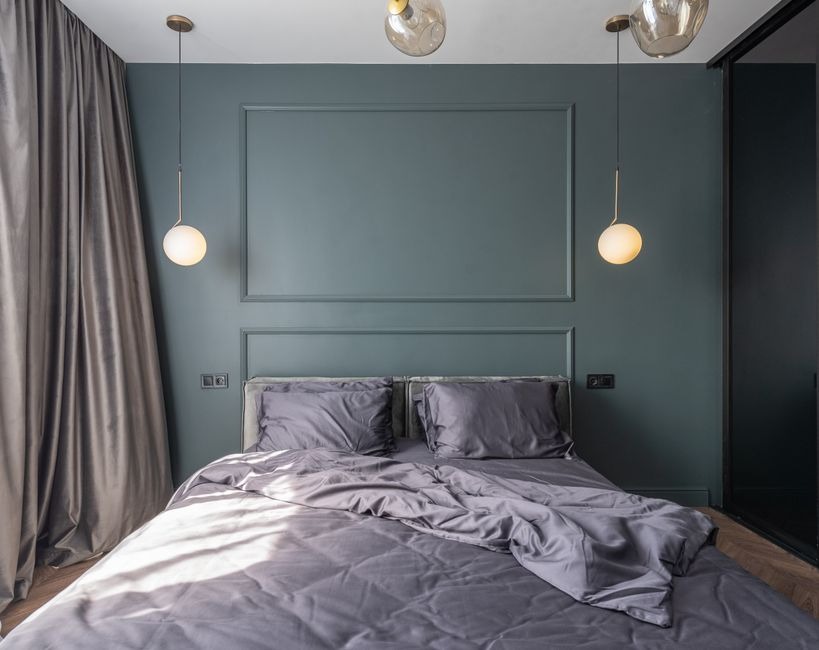
A Smoky Mountain vacation rental has to do more than look attractive in listing photos. It needs to welcome guests arriving after a long drive, stand up to frequent turnover, provide comfortable spaces for groups, and still capture some of the character people expect from a mountain escape.
That makes furnishing a cabin or rental home different from decorating a primary residence. Delicate pieces and highly personal design choices may work at home but become impractical when dozens of guests use a property throughout the year. The better approach is to balance durability, comfort, easy maintenance, and regional character. From bedrooms to gathering spaces, every furnishing should contribute to a rental that feels inviting without becoming difficult to operate.
1. Make the Bedrooms Feel Like Genuine Retreats
Guests spend a large part of their stay sleeping, so bedrooms deserve more attention than leftover furniture and decorative accessories. When sourcing pieces locally, Smoky’s Furniture Co is a great place to buy bedroom furniture in Tennessee, particularly when the goal is creating rooms that complement a Smoky Mountain setting.
The Pigeon Forge retailer carries beds, bedroom sets, dressers, mirrors, chests, nightstands, headboards, wardrobes, and other bedroom furnishings.
Its broader services include customization, local delivery, and turnkey packages, which can be useful when furnishing an entire vacation property.
Start with a sturdy bed and a quality mattress, then add practical bedside surfaces and accessible lighting. A dresser or luggage bench gives guests somewhere to organize their belongings. Most importantly, leave enough open floor space that the room remains comfortable once suitcases arrive.
2. Choose Materials That Can Handle Frequent Guests
Vacation-rental furniture lives a harder life than most residential furniture. Suitcases scrape against bed frames, dining chairs are pulled out repeatedly, and living-room seating may be used by several different groups every week.
Durability should therefore influence purchasing decisions from the beginning. Solid wood, sturdy metal hardware, performance upholstery, and finishes that disguise minor wear are generally more practical than fragile surfaces requiring careful treatment.
This does not mean every room needs heavy, oversized furniture. Instead, look closely at construction. Check drawers, joints, legs, upholstery, and hardware before buying. Pieces should feel stable and easy to clean.
Mountain-inspired wood furniture can be especially appropriate because natural grain and modest signs of wear often complement the overall aesthetic rather than immediately making the room look tired.
3. Give the Living Room Enough Seating for Everyone
The living room is usually the social center of a mountain rental. Families gather there after hiking, friends watch movies in the evening, and groups may spend hours around the fireplace during cold or rainy weather.
Design this space around the property’s advertised occupancy. A cabin promoted for eight people should not provide comfortable living-room seating for only four. Combine a sofa with loveseats, armchairs, or other flexible seating without crowding pathways.
Arrange furniture to encourage conversation while preserving views where possible. If the room has large windows, a fireplace, or another architectural focal point, allow the layout to take advantage of it.
Coffee tables and end tables should also provide enough surface area for drinks, phones, games, and snacks. Small practical conveniences often make gathering spaces noticeably more comfortable.
4. Create a Dining Area That Works Beyond Mealtimes
A vacation-rental dining table rarely serves only dinner. Guests use it for breakfast, board games, laptops, takeout meals, trip planning, and conversations that stretch late into the evening.
Choose a table large enough for the property’s normal group size and pair it with chairs that remain comfortable during longer gatherings. Wipeable surfaces are particularly valuable because spills are inevitable.
If space is limited, a bench can sometimes provide flexible seating without adding too many chair backs to the room. Counter stools can expand dining capacity as well, especially in an open-plan kitchen.
Pay attention to lighting above the table. Warm, well-positioned illumination makes meals more inviting and helps the dining area feel intentionally designed rather than simply filled with furniture.
5. Use Mountain Style Without Turning It Into a Theme Park
Travelers visiting the Smokies generally appreciate a sense of place, but mountain décor can become overwhelming when every surface features bears, antlers, plaid, and woodland signs.
Let natural materials do much of the work. Wood furniture, leather or textured fabrics, stone, woven accents, and warm lighting can create a mountain atmosphere without relying heavily on themed decorations.
A few regional elements can then add personality. Consider landscape artwork, vintage-style national park imagery, locally inspired photography, or handcrafted accents. The goal is to remind guests where they are without surrounding them with novelty décor.
A restrained approach also photographs better and is less likely to become dated. Guests can appreciate rustic character while still enjoying rooms that feel clean, current, and comfortable.
6. Design Storage Around Short-Term Guests
Vacationers have different storage needs from permanent residents. Most are not looking for enormous wardrobes; they need obvious, accessible places for suitcases, jackets, groceries, and everyday belongings.
Add luggage racks or benches to bedrooms so bags do not end up on clean bedding. Provide hangers and some open closet space rather than filling closets with owner supplies. Entryways benefit from hooks for coats, backpacks, and outdoor gear.
In bathrooms, guests need counter or shelf space for toiletries. In the kitchen, leave at least one cabinet or pantry section available for groceries.
These details may not be the most dramatic parts of a property listing, but they affect how organized a rental feels once a group moves in for several days.
7. Furnish Outdoor Spaces Like Real Rooms
A deck overlooking the mountains can be one of a rental property’s strongest features, yet it loses much of its appeal when furnished with a couple of uncomfortable chairs.
Treat outdoor areas as extensions of the interior. Depending on the space, provide a dining table, rocking chairs, loungers, or a conversation area where guests can enjoy coffee in the morning and unwind after sunset.
Outdoor furniture should be appropriately weather-resistant and substantial enough for regular use. Avoid cluttering decks with so many pieces that guests struggle to move around safely.
If the property has a hot tub, preserve a clear route around it and provide a nearby place for towels or belongings. Good outdoor furnishing encourages guests to spend more time enjoying the setting they traveled to see.
8. Finish With a Guest-Eye Walkthrough
Once the rental is furnished, spend a night there before declaring the project complete. Experiencing the property like a guest often reveals problems that are easy to miss during decorating.
Sit in every chair. Open the drawers. Charge a phone beside the bed. Cook a basic meal and see whether the dining setup works. Check whether lamps are reachable, luggage has somewhere to go, and guests can move through rooms without navigating around furniture.
Then remove anything that creates clutter without improving comfort or function. Vacation rentals benefit from personality, but they also need breathing room.
The best-furnished Smoky Mountain rentals strike a careful balance. They feel warm without being crowded, rustic without becoming clichéd, and durable without looking purely functional. When every room supports how guests actually spend their vacation—from sleeping comfortably to gathering for dinner and watching the mountains from the deck—the furnishings become part of the experience rather than simply filling the space.




Leave a Reply