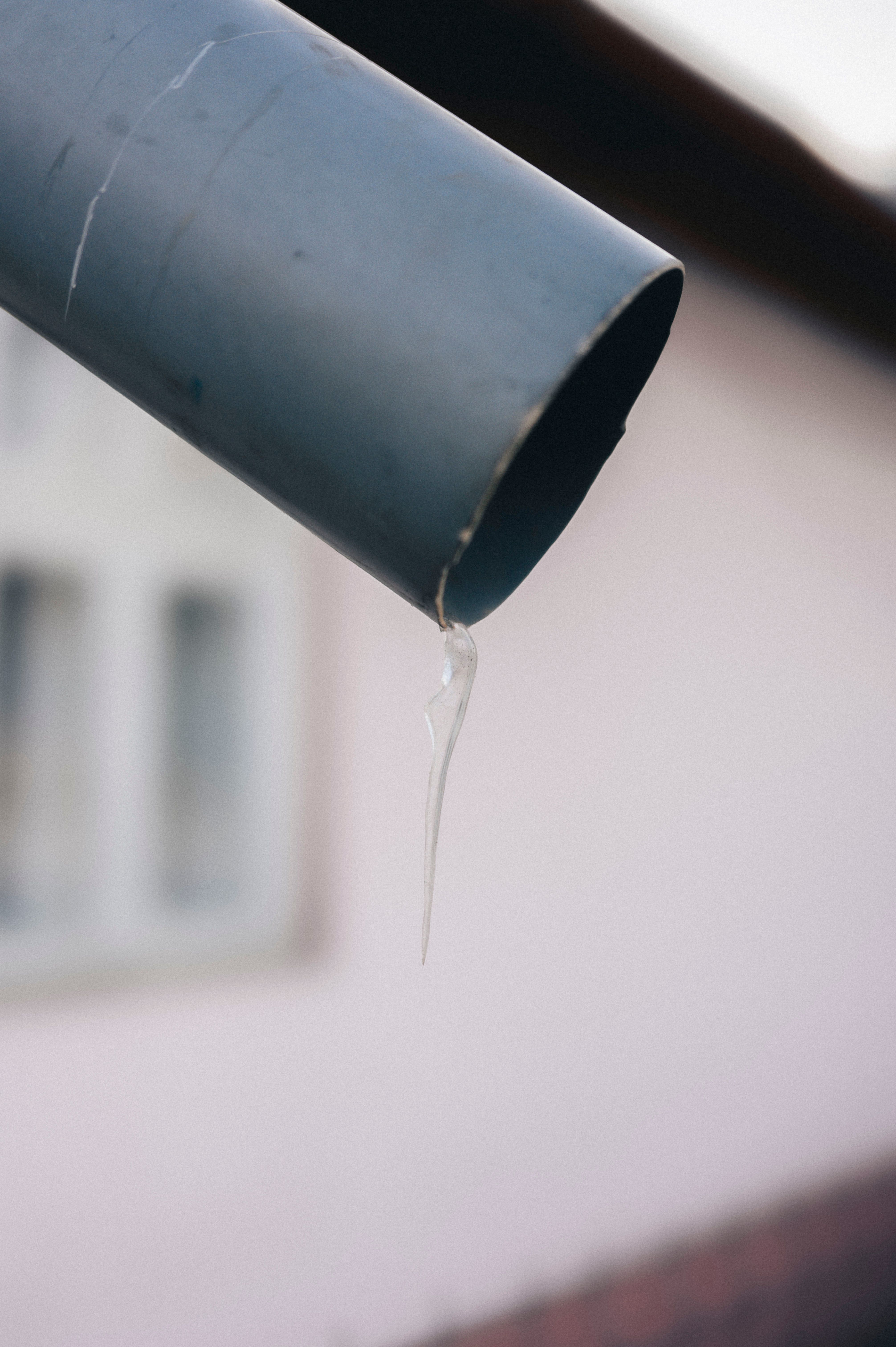
Five minutes in the rain saved my neighbor eleven thousand dollars. He stood at the corner of his house with an umbrella, watched where the water went, and found his downspout dumping straight onto the foundation bed. Two weeks later he had new gutters and dry basement walls. I did the same walk three years too late and spent a summer patching cracked stucco instead.
That is the whole idea behind this guide. Your gutters tell you what they need long before they fail, and most homeowners never take the time to look. You can learn the five zones worth checking, figure out whether a repair buys you more time, and know when replacement is the only honest answer. You do not need a ladder for most of it.
Why Gutters Fail Quietly, Not Loudly
Roofs announce themselves. A missing shingle flaps. A leak stains the ceiling. Gutters do neither. They sag a quarter inch a year, collect grit, and dump water two feet from where they should. By the time you notice, you are usually looking at the damage the gutters caused, not the gutters themselves.
Where that water lands matters more than most people think. According to the Environmental Protection Agency, stormwater runoff is one of the leading causes of water pollution in the country, and it carries everything from roof grit to lawn chemicals into storm drains. Your gutter system is the first link in that chain. When it works, water moves off your roof and away from your house in a controlled path. When it does not, your landscaping, your soil, and eventually your foundation absorb the difference.
Houses in wet regions take a harder beating. The National Weather Service tracks precipitation patterns across the country, and the Southeast regularly sits near the top of the list for annual rainfall totals. That is a lot of water hitting a lot of roof. If you live somewhere like that, your gutters are working overtime every spring and summer, and the margin for sloppy installation shrinks fast.
What Should You Actually Check on Your Gutters?
Walk the perimeter of your house. Start at the front door and move counterclockwise. You are looking for five specific things, and you can spot all of them from the ground with a decent pair of binoculars.
- Slope. Water should move toward the downspout, not sit in the channel. A level or back-pitched run leaves standing water that rusts metal and rots wood.
- Joints and seams. Small streaks of rust or dark staining under a seam mean water is escaping there every storm.
- Fascia behind the gutter. Peeling paint, soft wood, or dark streaks on the board behind the gutter signal overflow.
- Downspout discharge. Stand at each downspout during a rain and watch where the water goes. It should exit at least four to six feet from the foundation.
- Ground below. Mulch trenches, washed-out soil, and green moss patches all point to the same problem upstream.
That last one is the one people skip. If your flower bed is eroding or the soil has pulled away from the foundation in a V shape, the gutter above it is misfiring. Fix the discharge before you fix the planting.
The Four Season Check System
I use a simple rotation, and it is the one thing I would put in front of any new homeowner. I call it the Four Season Check System, and it spreads the work across the calendar so nothing gets ignored.
Spring check: after the last heavy storm, walk the perimeter and note any overflow streaks or sagging runs. Spring is when the ground is soft, so it is also the easiest time to dig discharge extensions.
Summer check: look up, not down. Heat warps vinyl, loosens fasteners, and pulls seams apart. Run a garden hose into the top of the downspout for a few minutes and time how long the water takes to exit. A slow drain means a partial clog.
Fall check: clear debris before the first hard freeze. Leaves sitting in a wet channel are the single most common cause of winter overflow, and the weight of wet debris pulls fascia brackets loose.
Winter check: after an ice event, look for ice dams at the gutter line and for downspouts frozen solid. Do not climb up and chip at them. Frozen gutters are a watch-and-document problem, not a weekend project.
This schedule matters more than any single product choice you make. Gutters that get checked four times a year last noticeably longer than gutters that only get attention after a leak shows up inside the house.
Repair or Replace?
Here is the decision rule I give people. If fewer than a quarter of your runs have problems and the run still drains, patch it. If the gutters still hold their line, the fasteners are solid, and the metal or vinyl is not visibly rusted or brittle, you are looking at a repair.
Replace when any of these show up:
- Rust holes or pinhole leaks along the bottom of a full run
- Multiple seams failing within a few feet of each other
- Sagging that comes back within a season of being re-secured
- Back-pitched runs where water stands after a rain
- Gutters that pull away from the fascia in more than one spot
One more thing I would say plainly: seamless sections are worth the extra money. Sectional gutters with a joint every ten feet give you a leak point every ten feet. A single continuous run removes most of those. It is not a complicated upgrade, and it holds up better in every climate I have lived in.
Materials, Guards, and the Choices That Actually Matter
You will see aluminum, steel, copper, and vinyl on the shelf. Aluminum and steel cover almost every house. Vinyl is cheap and it makes sense for a shed or a rental you are not planning to keep. Copper is a lifetime material with a lifetime price tag, and it looks great on certain architecture, but it is a hard sell on a starter home.
Gutter guards are the other decision. They cut how often you clean the channel, but they are not maintenance-free. Pine needles and shingle grit still make it through most designs, and some guards trap debris against the gutter edge if they are installed wrong. The National Association of Home Builders tracks housing durability and maintenance practices across the country, and the pattern there is consistent: upkeep frequency, not the product label, is what determines how long a system lasts. Guards reduce the frequency. They do not replace it.
Downspout extensions and splash blocks are the unglamorous part of the job, and they are also where the real protection lives. A new gutter system that dumps water at your foundation is worse than a mediocre system that discharges properly. Slope the discharge away from the house, extend it past the planting bed, and check it after every heavy rain for the first month.
What to Look for in an Installer
Ask three questions before you sign anything. How do you handle a run longer than a single seamless piece can reach? What happens to my old gutters? And how do you handle the fascia if it turns out to be soft once the old gutter comes off?
The answers tell you more than any review. A crew that has thought through fascia repair is a crew that has pulled off enough old gutters to know what they find behind them. Ask for their plan before they get on a ladder, because fascia surprises are the number one reason a gutter job runs over budget.
This is also where regional knowledge shows up. If you are in a market that gets heavy spring storms, local experience matters. Homeowners searching for reliable gutter installation in Huntsville will find the difference is often less about the product and more about whether the installer has worked on the specific roof shapes and weather patterns in the area. Ask how they handle overflow on valley-heavy rooflines. Their answer will tell you whether they have seen your kind of house before.
Get at least two estimates, and be suspicious of a quote that skips the fascia question entirely. That is usually a sign the crew plans to cover up a problem rather than deal with it.
Common Mistakes I’d Avoid
Sealing a leak from the outside with caulk. It buys a season at most, and it hides the water that is still escaping behind the seal.
Hiring for price alone. Gutter installation is a labor-driven job, and a quote that lands well below the others usually means fewer fasteners, thinner metal, or a crew that leaves before the downspout is extended.
Ignoring the discharge. Everything upstream matters, but the discharge point is where the damage actually happens. Extend it, check it, and re-check it after the first heavy storm.
Putting it off another year. Gutters do not fail all at once. They fail in a slow sequence of small failures that compound, and each one makes the next storm slightly more expensive.
Take the Walk This Weekend
Grab a jacket, a pair of binoculars, and fifteen minutes next time it rains. Walk the perimeter slowly. Watch the discharge at every downspout. Look at the ground under each one. If you note a problem, you now know whether it is a repair or a replacement, and you know what to ask an installer before they send a crew.
The water is already running off your roof every time it rains. The only question is where it ends up. What did you find on your last walk around the house?




Leave a Reply