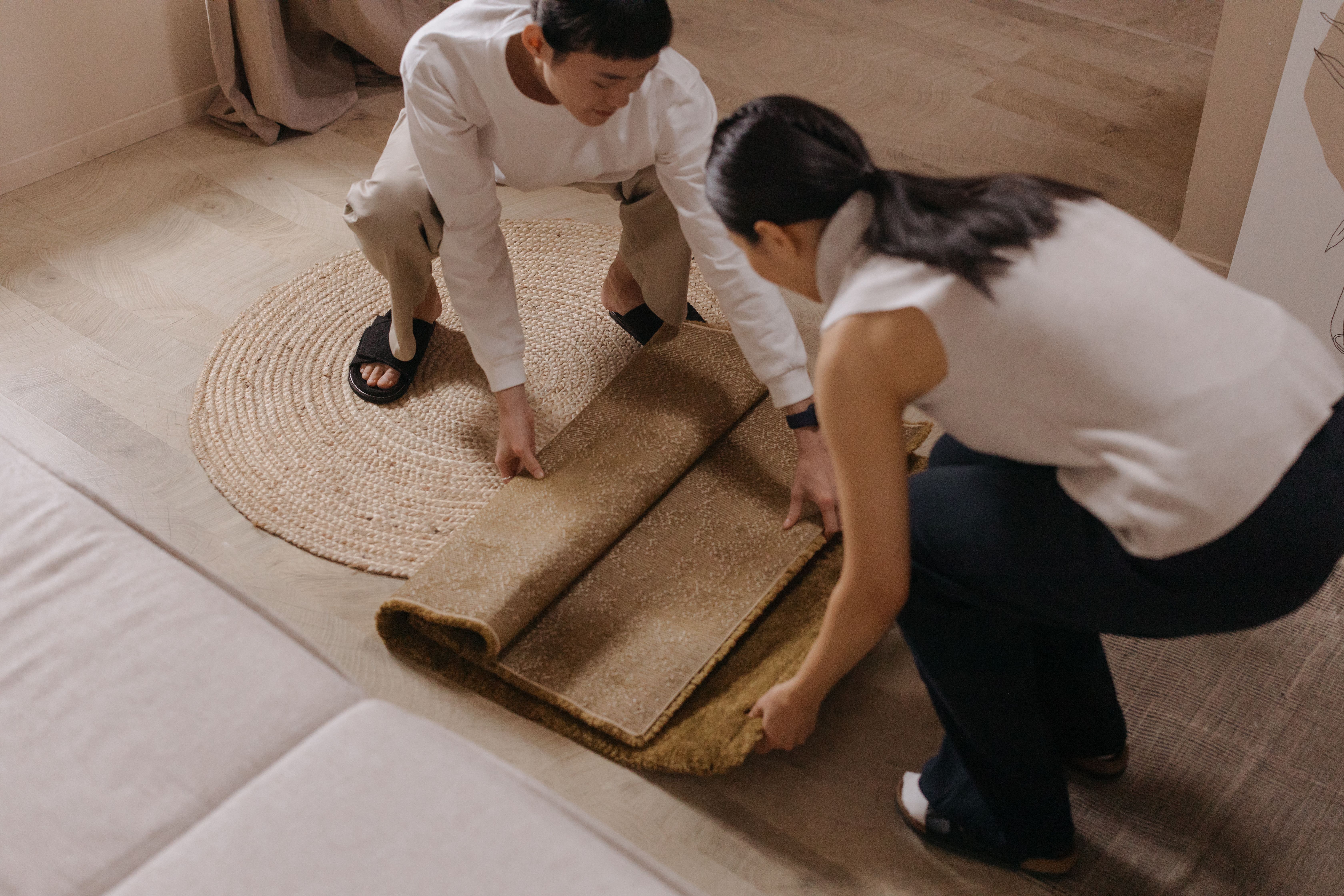
Natural texture has a way of making a room feel warmer without demanding too much attention. This is one reason sisal carpet rugs continue to find their place in Australian homes, particularly in interiors built around timber, stone, neutral colours and other natural materials.
But sisal isn’t simply a design choice. It behaves quite differently from wool or synthetic flooring, and knowing those differences matters when deciding where and how to use it.
Here’s what to consider before choosing sisal for your home.
What Is Sisal?
Sisal is a natural fibre obtained from the leaves of the Agave sisalana plant. The fibres are strong and relatively coarse, which gives sisal flooring its recognisable woven appearance and firm feel underfoot.
Its natural colouring generally sits within earthy shades such as beige, straw, tan and soft brown. Depending on how the fibres are woven and finished, sisal can range from a fine, understated texture to a much more pronounced weave.
For Australian interiors, that versatility is useful. Sisal can sit comfortably within coastal homes, contemporary spaces, country-style properties and more traditional interiors without looking out of place.
Why Choose Sisal Carpet Rugs?
One of sisal’s main strengths is durability. Its tough plant fibres cope well with everyday foot traffic, making it worth considering for areas where a more delicate rug may not be practical.
There are other reasons homeowners choose it too.
Natural character: Small variations in the fibre, colour and weave are part of sisal’s appeal. You don’t get the perfectly uniform appearance associated with many manufactured fibres.
Texture: A sisal rug can introduce visual interest into an otherwise simple room without relying on bold patterns or colours.
Versatility: Natural tones work with a broad range of furniture, flooring and interior palettes.
Defined spaces: In open-plan Australian homes, a large sisal rug can help visually separate a living or dining area without adding walls or bulky furnishings.
Where Does Sisal Work Best in the Home?
Sisal carpet rugs tend to perform best in dry internal areas. Living rooms are an obvious choice. A generously sized rug can sit beneath sofas and occasional furniture, helping bring the arrangement together. Dining rooms are another practical option because sisal provides a firm surface rather than a deep pile.
Hallways, home offices and bedrooms can also work well, although comfort preferences matter. Sisal has a firmer, more textured feel than wool, so if you want something particularly soft under bare feet, it may not be the right fibre for that room.
Placement matters just as much as appearance.
Is Sisal Suitable for Australian Conditions?
Australia’s climate varies considerably, so the answer depends partly on where and how the rug will be used.
Sisal is an absorbent natural fibre. Excess moisture or prolonged humidity can affect it, potentially causing changes in shape, staining or discolouration. For that reason, sisal carpet rugs are generally better suited to dry indoor spaces than bathrooms, laundries, exposed outdoor areas or other moisture-prone locations.
Strong sunlight is another consideration. As with many natural materials, extended exposure to direct Australian sun may gradually alter the colour. If your room receives intense sunlight for much of the day, consider rug placement, blinds or window coverings.
Choosing the Right Sisal Rug
Start with the room rather than the rug.
Think about how much traffic the area receives, whether people usually wear shoes there, the amount of natural light and the furniture that will sit around or on the rug.
Size is particularly important. A rug that is too small can make furniture appear disconnected. In a living room, having at least the front legs of key furniture sitting on the rug often creates a more settled arrangement. For dining areas, allow enough space for chairs to remain on the rug when pulled away from the table.
Then consider the weave. A finer weave can create a quieter look, while heavier textures make the natural fibre a more noticeable part of the interior.
Edging and binding can also change the finished appearance and help a rug feel more considered within the room.
How Do You Look After a Sisal Carpet Rug?
Sisal doesn’t need complicated day-to-day care, but it does need the right kind of care.
Regular vacuuming helps remove dust and grit before particles settle further into the weave. If something spills, act quickly. Blot the area rather than rubbing it, as rubbing can spread the spill and work it further into the fibres.
Avoid saturating sisal with water or using general carpet-cleaning methods without checking whether they are appropriate for natural fibre flooring. For significant stains or deeper cleaning, professional advice is usually the safer approach.
It’s also worth rotating a rug occasionally where practical, particularly in rooms with uneven foot traffic or sunlight.
Natural Flooring That Deserves a Closer Look
Sisal carpet rugs bring something different to an interior. They’re tactile, understated and naturally varied, with enough strength for many of the spaces Australians use every day.
The key is choosing sisal for the right environment. Consider moisture, sunlight, foot traffic, weave and size rather than selecting on appearance alone. Done well, a sisal rug can add warmth and definition to a room while allowing the rest of the interior to speak for itself.
Looking for the right natural flooring for your space? Speak with the team at Interfloors about sisal carpet rugs and other flooring options suited to your home, lifestyle and interior.




Leave a Reply