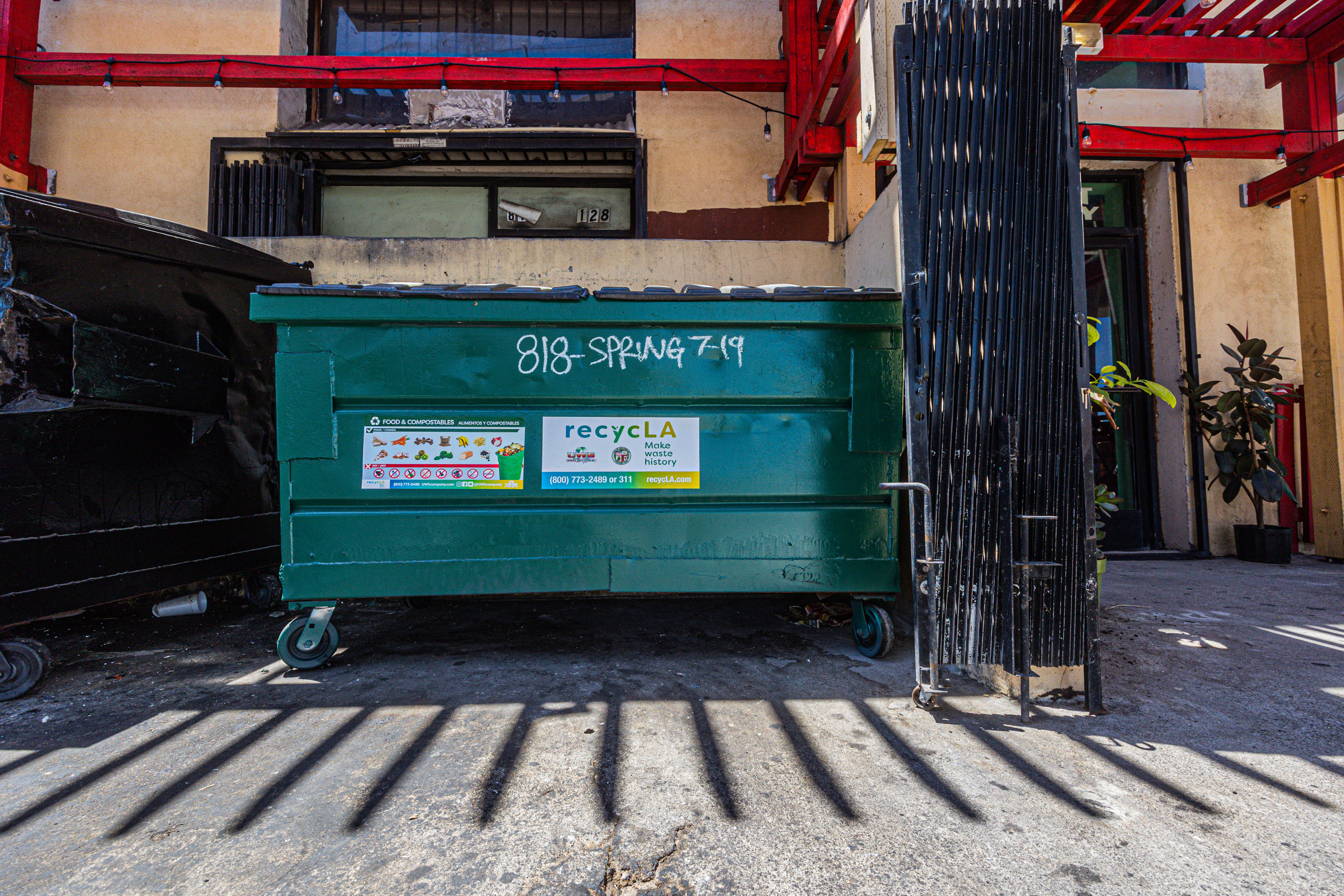
A busy construction site can produce waste from several activities at the same time. Carpenters may generate lumber offcuts while drywall crews create scraps, flooring installers remove packaging, and demolition work adds older building materials to the waste stream. Without shared disposal rules, these materials can quickly spread into work areas and interfere with normal jobsite movement.
Coordination becomes especially important when different trades arrive according to separate schedules. One crew may finish before another begins, while several teams may overlap during a particularly active stage. A construction dumpster rental can support this workflow when its use is planned around the project schedule instead of being treated as an unrestricted place for anything leaving the building.
Clear expectations help contractors keep disposal connected to the work rather than allowing debris to become a separate jobsite problem. Alamo Disposal may be involved in arranging the container, while the project team can establish who will use it, which materials belong inside, and how access will remain available throughout construction.
Establish Disposal Rules Before Multiple Trades Arrive
Waste procedures are easier to explain before crews begin producing debris. If every trade develops its own disposal habits, materials may end up in different locations around the property. Workers then spend additional time gathering piles that could have been handled correctly from the start.
Basic rules should identify where accepted waste goes and where questionable materials should be placed temporarily. Crews should also understand which routes need to remain open for carrying debris. A short site orientation can communicate these expectations without creating an unnecessarily complicated system.
Consistency matters when subcontractors rotate through the project. New arrivals should receive the same disposal information as crews that have been present since the first stage. This prevents jobsite rules from changing according to whoever happens to be working that day.
Connect Waste Planning to the Construction Schedule
Different phases generate different amounts and types of waste. Demolition may create a large quantity within a short period, while framing can produce a steadier stream of offcuts. Later stages may generate packaging, flooring scraps, drywall pieces, and discarded finish materials.
Reviewing the construction schedule helps identify periods when disposal activity is likely to increase. Contractors can then consider whether other site activities will compete for the same access area. Material deliveries, equipment movement, and worker parking may all affect how easily debris reaches its destination.
Planning a construction dumpster rental around these phases gives the container a defined role within the broader project. It also helps contractors recognize when several waste-producing tasks are scheduled close together and may require additional coordination.
Assign Responsibility for Shared Cleanup Areas
Shared spaces can become neglected when everyone assumes another crew will handle them. Hallways, exterior staging areas, loading routes, and common work zones may collect debris that does not clearly belong to one trade. Assigning responsibility prevents these locations from becoming permanent holding areas.
Responsibility does not need to mean one person handles all waste. Instead, the project can establish who checks common areas and when those checks occur. Crews remain responsible for their own debris while a designated person monitors the overall system.
This approach also makes problems easier to identify. If a route repeatedly becomes blocked, the project team can adjust the process instead of allowing the same issue to continue throughout the job.
Keep Debris Routes Separate From Material Deliveries
Construction sites require both incoming and outgoing movement. New materials travel toward work areas while debris moves away from them. When those routes overlap without planning, workers may have to navigate around waste while carrying materials needed for the next task.
Contractors can identify primary delivery areas and compare them with the route used to move debris. Complete separation may not always be possible, but scheduling can reduce conflicts. For example, a major cleanup period can be coordinated around planned deliveries instead of occurring at exactly the same time.
Alamo Disposal may form part of the waste-removal side of the project, while contractors still need to manage movement within the site. Keeping access predictable helps crews avoid creating temporary piles simply because the normal debris route is unavailable.
Prevent Questionable Materials From Entering the Container
Multiple trades increase the variety of materials present on a jobsite. Most crews understand the waste produced by their own work, but they may not know the disposal requirements for materials left by another trade. A shared container can therefore receive questionable items when site rules are unclear.
Contractors should confirm acceptance requirements before work begins and communicate them to everyone using the container. Materials that require clarification should be placed in a separate designated area until the appropriate handling method is confirmed. This keeps uncertainty from becoming contamination within the main waste stream.
Written instructions can be particularly useful on larger projects. A simple reference near the disposal area gives workers consistent guidance even when supervisors are occupied elsewhere.
Monitor Loading as the Project Moves Forward
A container that appears to have substantial capacity early in the project may fill quickly during a major demolition or installation stage. Waiting until space becomes a problem can leave crews with nowhere appropriate to place new debris. Periodic checks make changing conditions easier to recognize.
Monitoring should consider what work remains, not only how much space appears available. If several waste-producing trades are scheduled next, the current capacity needs to be viewed in relation to their expected activity. This creates a more useful picture than judging the container at one isolated moment.
Workers should also follow applicable loading requirements rather than trying to gain space through unsafe rearranging. Climbing into debris, throwing heavy objects from unstable positions, or forcing materials into an already crowded area creates unnecessary risk.
Avoid Letting One Trade Control the Disposal Area
Shared disposal works poorly when one crew treats the container and surrounding space as its private staging zone. Tools, unused materials, pallets, or equipment placed nearby may prevent other workers from reaching the loading area. The problem becomes more noticeable as additional trades arrive.
The area should remain dedicated to waste movement and collection access. Reusable materials and equipment need separate storage locations where they will not narrow the debris route. This distinction keeps the disposal area functional throughout changing phases of construction.
Alamo Disposal can handle the container portion of the waste plan, but orderly use depends on jobsite management. Contractors who preserve shared access reduce the likelihood that crews will create secondary debris piles elsewhere.
Coordinate Container Access With Jobsite Changes
Construction sites rarely remain arranged the same way from beginning to end. Scaffolding may appear, equipment may move, new materials may occupy staging areas, and completed sections may change the routes workers use. Disposal planning should adjust as these conditions change.
A construction dumpster rental that was easy to access during demolition may require more careful coordination once later trades and deliveries occupy the property. Contractors should review access whenever the site layout changes substantially. The route needed for eventual collection should also remain available.
Regular communication prevents small site changes from gradually blocking disposal activity. A brief discussion during scheduling meetings can identify upcoming conflicts before crews encounter them in the middle of active work.
Shared Disposal Works Best With Shared Expectations
Waste management on a multi-trade project depends less on complicated rules than on consistent ones. Every crew should understand where debris belongs, which materials require separate handling, and which routes must remain clear. Those expectations keep cleanup connected to normal jobsite operations.
Scheduling adds another layer of control. When contractors anticipate high-waste phases, material deliveries, and changes in site access, they can prevent several activities from competing for the same space. Routine checks then reveal whether the plan still fits current conditions.
A coordinated system keeps debris from becoming an obstacle between trades. By treating waste movement as part of the construction schedule, contractors can maintain clearer work areas, preserve shared access, and keep disposal responsibilities understandable as the project progresses.
Add a Practical Coordination ChecklistStrengthen the Closing Call to Action



Leave a Reply