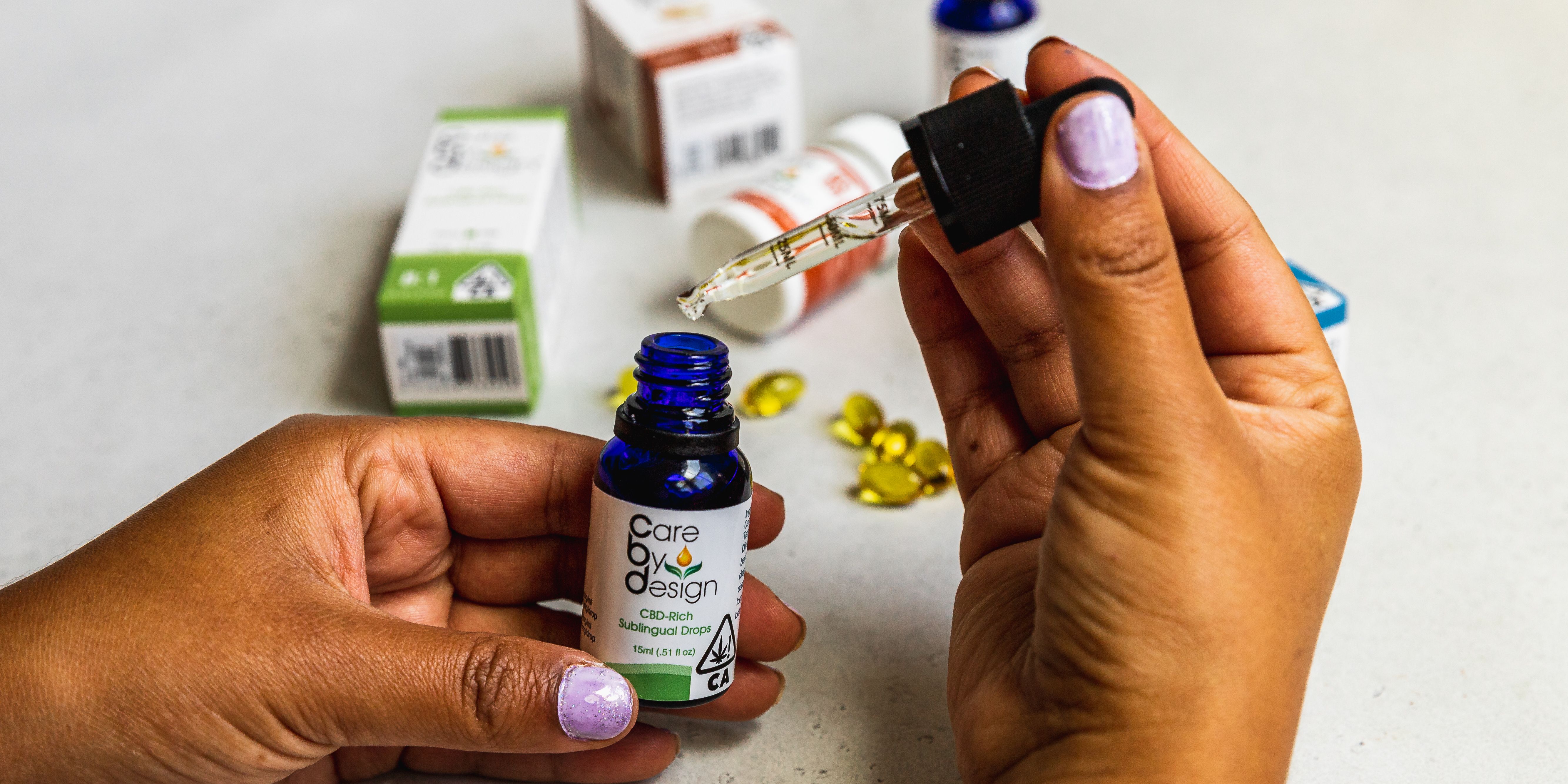
CBD products can look reassuring on a shop shelf. A bottle may promise a particular strength, a packet may say “THC-free”, and the label may feature words such as “premium” or “pure”. None of those descriptions, however, tells the whole story. The most useful evidence is often found away from the packaging, in a laboratory report showing what was actually measured.
Independent CBD lab testing helps manufacturers check product consistency, identify unwanted substances and make more accurate claims. For UK customers, it is also a way to ask better questions before buying. Here is what a credible testing programme should cover and how to read the results.
Why Lab Testing Matters for CBD Quality
CBD, or cannabidiol, is a cannabinoid found in cannabis plants. Its concentration can vary with plant material, extraction methods, formulation and manufacturing. Finished products may contain CBD alongside carrier oils, flavourings and other ingredients. Without analytical testing, a brand has limited evidence that the final product matches its label.
A Food Standards Agency (FSA) study of 100 retail CBD products, published from its 2022–23 analytical work, found that only 49 matched the CBD amount claimed on the label. Some contained less than advertised; others contained more. It provides a practical reason to look beyond attractive packaging when evaluating quality.
For example, Haze CBD says it uses independent batch testing and publishes certificates of analysis. Customers considering any supplier should still check that an accessible report corresponds to the precise product and batch they receive, rather than relying on a general statement about testing.
What Do CBD Laboratories Actually Test?
Different tests answer different questions. A single cannabinoid-potency result is not a complete safety screen, and the right panel depends on whether the sample is an oil, edible or e-liquid.
1. CBD Potency and Label Accuracy
Potency testing measures how much CBD is present, commonly reported in milligrams per gram, milligrams per millilitre or percentage by weight. A bottle stating 1,000 mg CBD in 10 ml, for instance, is describing total content as well as a nominal concentration of 100 mg/ml.
Laboratories may use high-performance liquid chromatography (HPLC) or related methods to separate and quantify individual cannabinoids. A sensible buyer should check whether the number is for the finished formulation, not merely for a bulk CBD ingredient supplied months earlier.
2. THC and Other Controlled Cannabinoids
CBD itself is not a controlled drug in the UK, but some other cannabinoids, including THC, are controlled. A laboratory needs sufficiently sensitive methods to show whether particular controlled substances were detected and at what levels.
The legal position is more complex than the often-repeated “0.2% THC” slogan. That percentage is not a universal permission for finished consumer CBD products. The Home Office describes an exempt-product definition with several conditions, including limits concerning controlled drugs. A certificate can provide essential analytical evidence, but interpretation of the applicable law requires more than one percentage on a label.
3. Heavy Metals, Pesticides and Residual Solvents
Cannabis plants can take up substances from their growing environment. Testing may therefore screen for metals such as lead, cadmium, arsenic and mercury, as well as pesticide residues. Extracts may also be assessed for residual solvents associated with some production processes.
The FSA’s CBD research has tested products for these potential contaminants, demonstrating why their assessment is relevant. A complete certificate should show what was screened, the laboratory’s reporting limits and the results, rather than a vague statement that a batch “passed all tests”. The panel and the appropriate acceptance criteria depend on the product category.
4. Microbial Contamination and Other Relevant Hazards
For edible products, microbiological quality may be important. Depending on the formulation and its risk assessment, manufacturers may need to consider bacteria, yeasts, moulds or mycotoxins. Moisture, manufacturing hygiene and packaging can affect whether an edible stays within its intended specification.
Not every certificate will include every possible test. Consumers can ask the brand what additional checks take place if the public report does not show them.
How to Read a Certificate of Analysis
A certificate of analysis, usually shortened to COA, is a laboratory document identifying a sample, the tests performed and the reported results. A useful COA makes the testing traceable rather than simply displaying a reassuring badge.
Match the Batch, Product and Date
Start with the product description, sample identification, batch or lot number and testing date. The report should correspond to the product in hand. A COA for an unflavoured CBD isolate is not adequate evidence for a separately manufactured gummy or flavoured vape liquid.
Look for the name of the testing laboratory, a report or certificate number, and a date. If the packaging carries a batch code but the website does not identify the matching report, ask the seller before purchasing.
Understand “Not Detected” and Testing Limits
“ND” often means “not detected” at the method’s detection limit; “below LOQ” means below the limit at which the laboratory can quantify a substance reliably. Neither phrase necessarily means an absolute concentration of zero. The laboratory’s limits of detection or quantification matter particularly when interpreting trace cannabinoids.
A result in milligrams per kilogram is not directly interchangeable with milligrams per packet without knowing the packet’s weight. Where numbers or thresholds are unclear, requesting an explanation is preferable to guessing whether they indicate compliance.
Why Independent and Accredited Testing Matters
Third-party testing separates the manufacturer from the organisation generating the analytical result. That separation can improve confidence, although independence alone does not establish that a laboratory has the right expertise for every test.
In the UK, laboratories may hold UKAS accreditation to ISO/IEC 17025, an international standard addressing technical competence, impartiality and reliable laboratory operations. Buyers should check the laboratory’s identity and, where practical, whether the specific test falls within its accredited scope. A laboratory can be accredited for some methods but not others.
Brands also need repeatable sampling and sensible quality control. Retesting after formula or supplier changes, investigating unexpected results and retaining records are part of a credible quality system. Reports are most useful when they lead to action, not just a marketing graphic.
Does a Passed Lab Test Mean a CBD Product Is Legal?
Not by itself. For CBD foods, including gummies and oral oils, novel-food rules are relevant. The FSA’s public list in England and Wales identifies products linked to applications at particular stages; inclusion is not an endorsement or full authorisation.
The FSA currently advises healthy adults to limit CBD from foods to 10 mg per day. It also identifies groups who should avoid CBD or seek professional advice, including people taking medication and those who are pregnant or breastfeeding. A perfectly accurate potency result does not remove those considerations.
Vape liquids are not food and do not become approved for inhalation because an edible CBD ingredient has a food-related assessment. Consumers should evaluate the relevant product category, manufacturing controls and applicable UK rules separately.
A Practical Checklist Before Buying CBD
A trustworthy buying decision should combine laboratory evidence with basic product information. Look for a COA matching the batch; a clear CBD quantity per serving or container; an identifiable testing laboratory; cannabinoid results with meaningful reporting limits; and a contaminant panel appropriate to the product. Check that the ingredient list, directions, warnings and supplier contact details are accessible.
Be cautious if the report is undated, describes only raw material, hides the laboratory’s identity or offers a single “THC-free” stamp without numerical context. Equally, an impressive-looking certificate cannot prove that a product treats a condition, and it should never be used to support unapproved medical claims.
Frequently Asked Questions
Is third-party CBD testing compulsory in the UK?
There is no single universal rule requiring every consumer CBD product to display the same third-party COA. Businesses still have legal responsibilities for product safety, composition, labelling and relevant controlled substances. Transparent testing is an important way to demonstrate quality control, but requirements differ by product type.
Can a CBD product fail a laboratory test?
Yes. A batch may show unexpected potency, detectable contaminants or cannabinoid levels that require investigation. Responsible manufacturers should review the findings, isolate affected stock where necessary and avoid selling products that do not meet relevant specifications.
How often should CBD products be tested?
Batch-by-batch finished-product testing offers better traceability than relying indefinitely on an old report. The overall testing frequency and panel should reflect the product’s risks, process controls, raw materials and any changes to the formulation.
Does “lab tested” mean CBD is safe for everyone?
No. It means particular properties were measured in a particular sample. People may still face medication interactions, individual sensitivities or risks linked to a product’s format and ingredients. Laboratory results are one part of an informed decision, not a health guarantee.
Final Thoughts
Good laboratory testing makes CBD products more transparent. It can confirm potency, identify controlled cannabinoids, detect selected contaminants and give manufacturers a reason to investigate inconsistent batches. The strongest evidence is a clear, relevant certificate from a competent laboratory, matched to the product being sold.
For UK buyers, the safest approach is to read the report critically, check the label and understand that independent testing and legal compliance are related but different questions. A credible seller should make those questions easier to answer, not ask customers to trust a slogan.



Leave a Reply