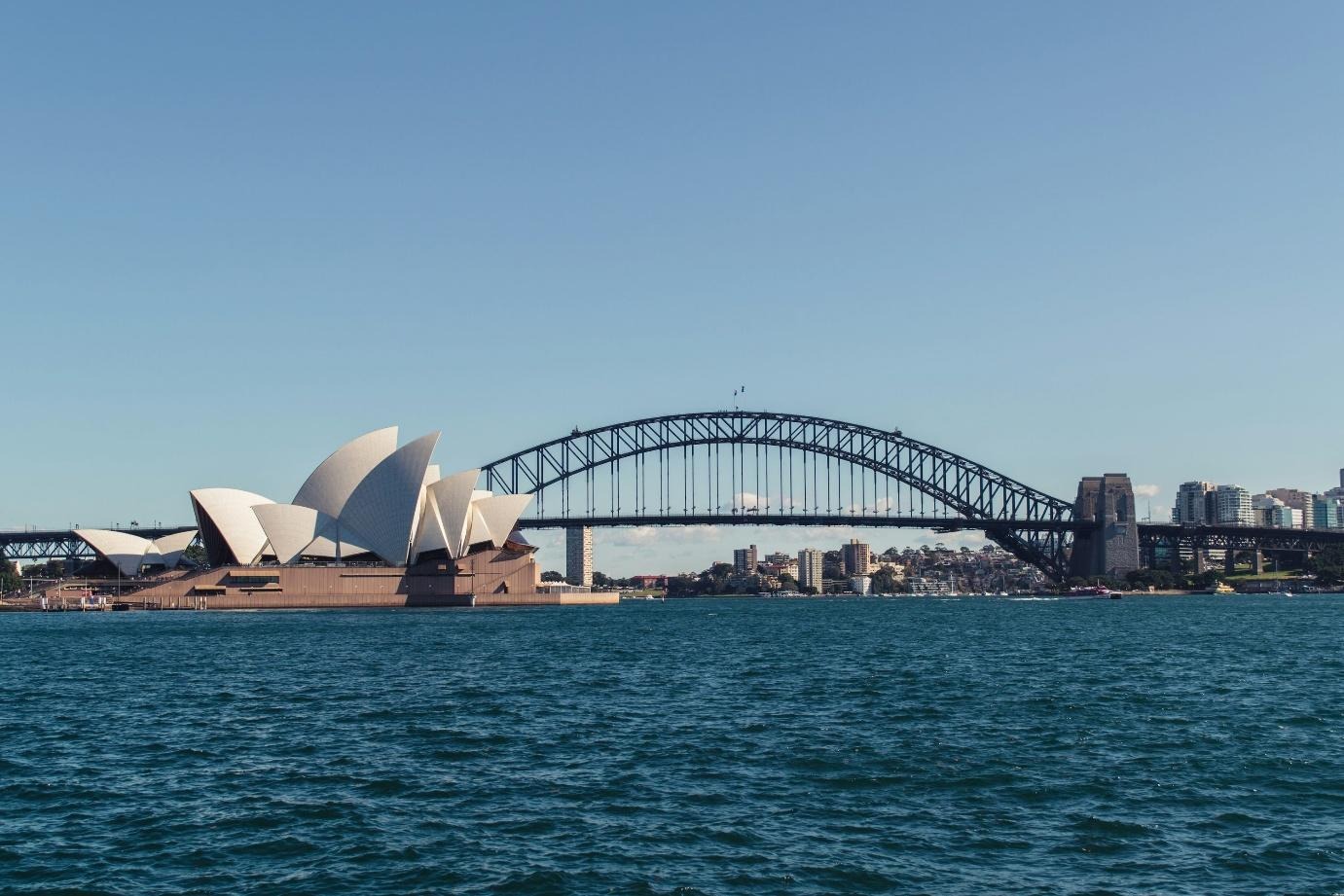
Australia offers far more than its famous beaches, major cities, and well-known landmarks. Travelers who move beyond the usual sightseeing routes can discover quiet coastal communities, dramatic outback landscapes, regional food traditions, and cultural experiences shaped by local knowledge. The best way to make a trip feel different is to build it around personal interests, spend more time in fewer places, and choose activities that reveal something meaningful about each destination.
From exploring regional wine country to discovering remote coastal landscapes, private Australian experiences allow travelers to explore the country at their own pace rather than follow a fixed schedule designed for large groups. With thoughtful planning, visitors can enjoy a more personal journey while gaining a deeper appreciation of Australia’s diverse regions and communities.
Choose Destinations Beyond the Major Cities
Sydney, Melbourne, and Brisbane are popular for good reason, but they represent only a small part of Australia. Regional destinations offer different scenery, traditions, and ways of life.
Travelers might explore the coastal towns of South Australia, discover the landscapes of Tasmania, or spend time in the quieter communities of Western Australia. The Margaret River region, for example, combines wineries, local food, forests, and a rugged coastline. Tasmania offers walking trails, historic settlements, and seasonal produce, while the Northern Territory introduces visitors to vast landscapes and important cultural sites.
Instead of squeezing several regions into one trip, select destinations that match your interests. A slower itinerary often creates more opportunities to connect with local places and people.
Build the Trip Around Your Interests
A standard itinerary usually follows a list of popular attractions. A more personal trip begins with what you genuinely enjoy.
Food lovers may prefer visiting producers, joining cooking sessions, or exploring farmers’ markets with someone who understands the region. Nature enthusiasts might prioritize guided walks, wildlife observation, or scenic drives through less-visited areas. Travelers interested in history can explore heritage towns and learn how local industries shaped their communities.
These Australian travel experiences become more rewarding when the activities fit the traveler’s pace, interests, and comfort level. A couple seeking privacy may want a relaxed coastal escape, while a family may prefer interactive wildlife encounters and flexible days with fewer transfers.
Learn From Local and Indigenous Guides
Local guides can offer context that visitors might miss when exploring independently. They can explain regional history, describe changes in the landscape, and recommend places that suit a traveler’s interests and schedule.
In suitable destinations, consider experiences led by Aboriginal and Torres Strait Islander guides or businesses. These may introduce visitors to local perspectives on country, cultural heritage, traditional knowledge, and the continuing connection between communities and their lands. Choose experiences offered by the relevant communities and follow their guidance on photography, access, and cultural protocols.
Respectful cultural tourism is not simply about adding an activity to a schedule. It involves listening, recognizing that traditions differ between communities, and allowing local hosts to decide what they wish to share.
Explore Australia Through Food and Nature
Some of the most memorable moments happen away from major attractions. A regional food trail, a visit to a small producer, or a quiet walk along a coastal track can become a highlight when there is enough time to enjoy it.
Depending on the destination and season, travelers can look for winery visits, seafood experiences, guided rainforest walks, wildlife tours, or scenic journeys through rural landscapes. Private touring may also make it easier to stop at viewpoints, adjust departure times, and spend longer in places that capture your attention.
Wildlife encounters should always prioritize animal welfare. Choose responsible operators who follow local rules and avoid activities that disturb animals or promise guaranteed sightings.
Plan for Distance, Weather, and Access
Australia is enormous, and travel times can be longer than they appear on a map. Remote destinations may require domestic flights, four-wheel-drive transport, or advance arrangements with local operators. Weather can also affect road access, walking conditions, and outdoor activities.
Build realistic travel days into the schedule instead of moving to a new location every night. Check seasonal conditions, local access requirements, and cancellation policies before booking. For remote areas, reliable transport and an experienced guide can be especially valuable.
A thoughtful itinerary balances planned activities with free time. This gives travelers room to enjoy an unexpected local recommendation or simply appreciate a destination without rushing to the next stop.
Wrapping Up
- Look beyond Australia’s major cities to discover regional towns, coastlines, and distinctive landscapes.
- Build your itinerary around personal interests instead of a checklist of famous attractions.
- Use knowledgeable local guides to gain context and discover suitable places to visit.
- Choose community-led Indigenous experiences and respect cultural protocols.
- Prioritize responsible wildlife encounters and locally grounded food experiences.
- Account for Australia’s vast distances, seasonal conditions, and transport requirements.
- Leave enough time in each destination to enjoy the experience without feeling rushed.


Leave a Reply