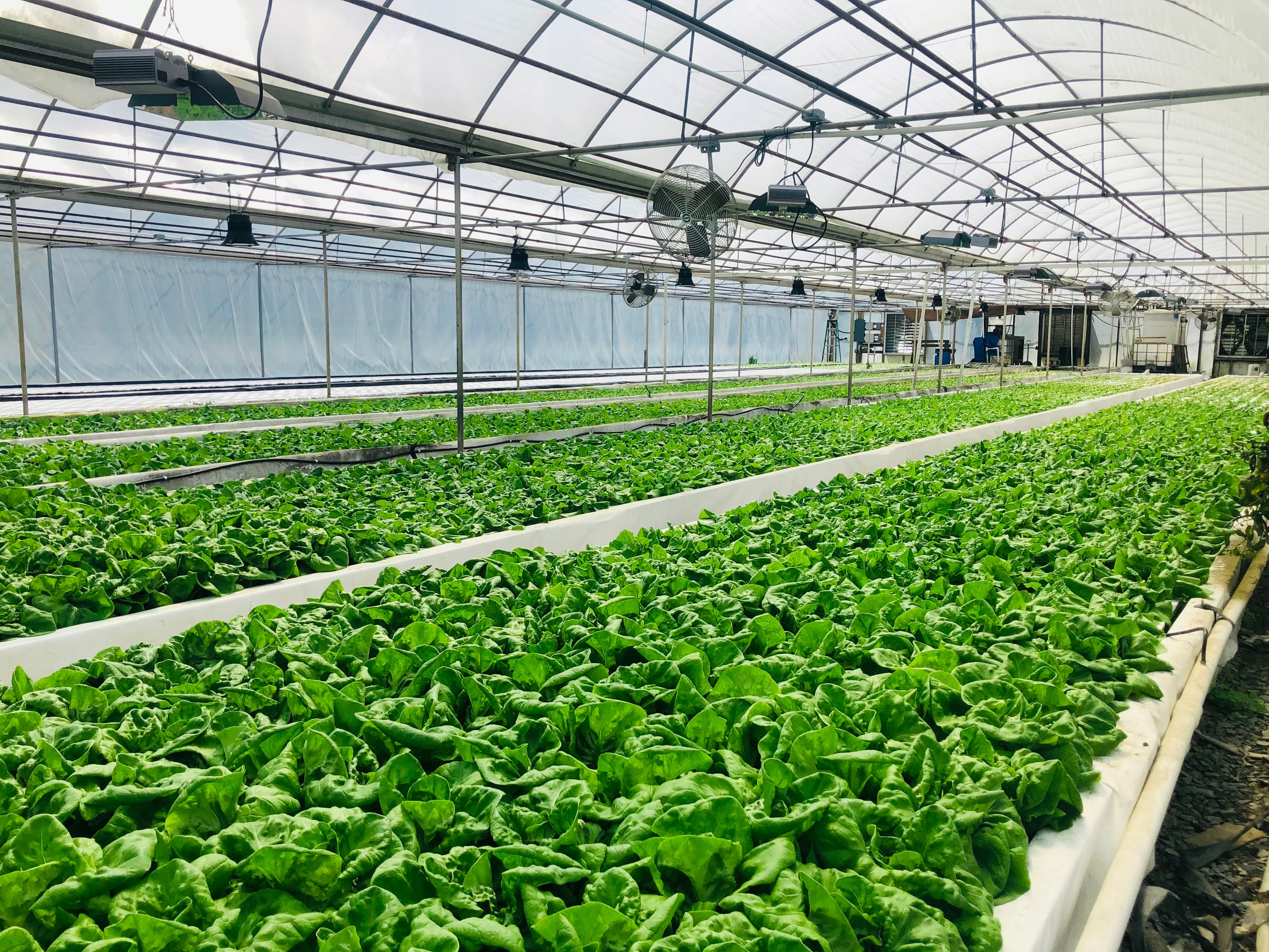
Western New York knows how to grow food. Dairy farms, vineyards along Lake Erie, apple orchards and roadside produce stands are part of the region’s identity. Interest in buying local keeps climbing, too, from neighborhood markets to new grocers built around regional suppliers.
The weather is what holds it back. Lake-effect snow, short winter days and a frost season that can run from October into May leave months when little grows outdoors. During that stretch, most of the lettuce, herbs and fish on local shelves come from somewhere far away.
A growing number of farmers, schools and community groups are working on that gap with a system that raises fish and vegetables together, under one roof, all year.
How Fish And Plants Help Each Other
The method is called aquaponics, and the basic idea is simple. It’s a closed loop where each part supports the next.
Fish live in tanks and produce waste, the same way any animal does. That waste is rich in nitrogen. Beneficial bacteria in the system turn it into nutrients that plants can use. The water then flows to growing beds, where plant roots absorb those nutrients. In doing so, the plants clean the water, which then goes back to the fish tanks to start the cycle again.
Because the water keeps circulating instead of soaking into the ground, aquaponics can use far less water than conventional growing. The fish supply the fertilizer, so there’s less need to buy it. A single system can produce two foods at once: leafy greens and herbs from the beds, and fish from the tanks.
Why The Building Matters
Aquaponics equipment gets most of the attention: tanks, pumps, filters and grow beds. But in a cold climate, the structure around that equipment often decides whether a system thrives or struggles.
Fish and bacteria are sensitive to temperature. Swings that a hardy plant might shrug off can stress fish or slow the bacteria that make the whole loop work. High humidity from all that water can encourage mold and plant disease. And heating a poorly insulated structure through a Western New York winter can make energy bills climb faster than any harvest can cover.
That’s why growers increasingly treat the building as part of the system rather than a shell around it. An aquaponic greenhouse pairs a recirculating fish and plant setup with a controlled growing environment. That combination lets operators extend the growing season, protect fish and plants from harsh weather, keep crops more consistent and get more out of each year.
Tools That Keep Conditions Steady
Several design features help these greenhouses hold stable conditions without wasting energy.
Storing heat underground. Some greenhouses use a ground-to-air heat exchanger, often called a climate battery. Air from the greenhouse is pushed through pipes buried in the soil. On warm days, the ground absorbs extra heat. On cold nights, that stored warmth helps keep temperatures up.
Better glazing. The clear material covering a greenhouse affects how much light reaches plants. Some newer options let in more than 95 percent of available light, including ultraviolet, which helps crops grow during short winter days.
Extra light. Different crops need different amounts of light, and Western New York winters don’t offer much. Supplemental lighting can be matched to what each operation grows.
Central controls. Modern controllers can monitor temperature, humidity, carbon dioxide, light levels and outdoor weather in one place, adjusting fans, heaters and lights automatically.
Heating, cooling and drying. Dedicated systems manage temperature and pull excess moisture out of the air, which matters in a building full of water.
Who Is Using It
Aquaponic greenhouses serve a wide range of goals.
Commercial farms use them to supply restaurants and grocers with fresh produce and fish through every season.
Schools and colleges turn them into hands-on classrooms where students learn biology, chemistry and nutrition by watching a living system at work.
Research programs use them to study plant growth, fish health and water use in controlled conditions.
Community groups use them to bring fresh food to neighborhoods where healthy options are hard to find, a problem often described as a food desert.
Home growers can start small, too. Backyard setups under 1,000 square feet often combine a compact greenhouse with a ready-made aquaponics kit. Larger operations tend to need sturdier structures designed with the system in mind.
Many projects bring together specialists from both sides, pairing proven aquaponics equipment with greenhouse design, climate control and planning support. That way growers aren’t left trying to make two separate systems work together on their own.
Fitting The Local Food Movement
Across the region, people are paying closer attention to where their food comes from. Local meat, dairy and produce sell well, and shoppers increasingly ask how far their groceries traveled.
Year-round growing fits naturally into that trend. A greenhouse producing greens and fish in January keeps money in the community, shortens supply chains and gives buyers a fresher option during the months when fields sit under snow. For schools, it can also mean students eat food they helped grow.
Questions To Ask Before Starting
Do you want to grow for your family, a classroom, a community or a business?
How much space do you have, and how large should the system be?
Which fish and crops suit your goals and your local market?
How will you keep temperature and humidity steady through long, cold winters?
What will heating and lighting cost each month, and how can design reduce it?
Who will check the fish, plants and water every day?
Aquaponics isn’t a shortcut. It takes planning, regular care and a building designed for the job. But for a region with deep farming roots and long winters, a system that grows fresh food in any season is worth a close look.



Leave a Reply