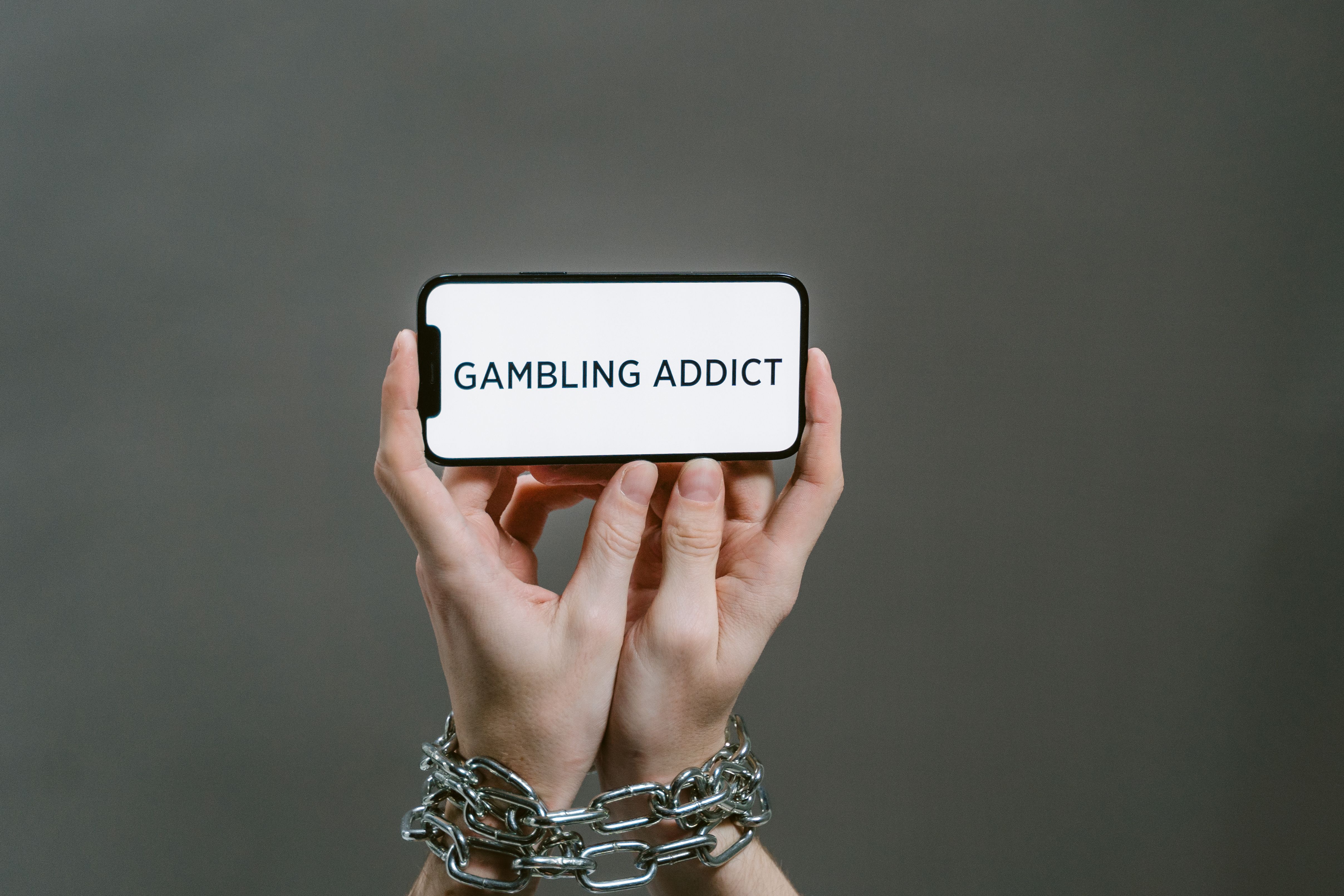
Most people picture a support group in a church basement. That’s one option, and it works for plenty of people, but it’s roughly five percent of what clinical care actually involves. If you’ve never sat in a therapist’s office to talk about a betting app, you probably don’t know what the first session looks like, what gets measured, or how long any of it takes. That gap keeps people stuck for years.
So here’s the plain version. Treatment for gambling addiction is a structured process with a beginning, a middle, and a long tail, and each phase has specific tasks attached to it. Nothing about it requires you to admit anything to a room full of strangers, though you can if you want to. Online programs now deliver the clinical backbone from a laptop, which is why so many people start there.
Below is the actual sequence, plus what your first four weeks tend to look like and the money question nobody volunteers an answer to.
The intake assessment: what they’re actually measuring
A good clinician won’t start with “tell me about your childhood.” The first session is diagnostic and slightly boring, on purpose. They’re running you through a structured screen, usually something in the family of the treatment for gambling addiction protocols that most certified providers use, and scoring it against recognized criteria for gambling disorder.
What gets documented: which games you play and how often, how much you’ve lost in the last thirty days, whether you’ve borrowed or hidden money, whether you’ve tried to stop and for how long, and what happens in your body when you can’t place a bet. That last one matters more than the dollar figures. Restlessness and irritability when you try to cut back are the clinical markers that separate a bad habit from a disorder.
They’ll also screen for co-occurring conditions. Anxiety, depression, and alcohol use show up alongside gambling problems often enough that a responsible assessment checks for all three. If a clinician skips this step and jumps straight to advice, I’d walk. You can’t treat what you haven’t mapped.
First-line therapy: CBT and the cognitive distortions behind chasing
Cognitive behavioral therapy is the most researched approach here, and it targets something specific rather than general willpower. Gambling disorder runs on a small set of predictable thinking errors, and CBT goes after each one by name.
- Illusion of control: the belief that a ritual, a lucky seat, or a system changes a random outcome.
- Gambler’s fallacy: the sense that a machine is “due” after a cold streak.
- Chasing: the reflex to bet bigger to recover a loss, which is the single most expensive pattern in the disorder.
- Selective memory: recalling the big win in vivid detail and filing away the eleven losses that surrounded it.
A therapist will have you track bets and the thoughts attached to them, then challenge those thoughts in session. It’s unglamorous homework. It also works, and the mechanism is straightforward: once you can hear yourself think “this next one is the one,” the thought loses some of its grip.
According to the National Institute of Mental Health, psychotherapy of this type is a standard, evidence-based route for behavioral conditions, delivered individually or in groups. That baseline matters because it tells you the structured talking part isn’t a soft add-on to “real” treatment. It is the treatment.
Practical money safeguards during early recovery
Here’s where clinical care gets concrete and slightly uncomfortable. Early recovery involves putting physical distance between you and the ability to bet, because willpower under stress is unreliable and everyone in the field knows it.
Typical moves: self-exclusion lists through state gaming commissions, which ban you from casinos and, in many states, from online sportsbooks. Deposit limits and cooling-off periods set directly inside the betting apps. Handing a trusted family member control of the debit card for a defined stretch. Removing saved payment methods from your phone so a late-night session takes twelve steps instead of two.
None of this is punishment. It’s the same logic as not keeping cigarettes in the house. I’d rank self-exclusion as the highest-value single action in the first month, ahead of almost anything else, because it works whether or not you’re having a good day.
Medication, support groups, and how the pieces fit
No drug is approved specifically for gambling disorder in the United States, so don’t expect a prescription as the headline of your plan. That said, when depression or anxiety is sitting underneath the betting, treating that condition often reduces the urge to gamble as a side effect.
Clinicians sometimes use certain medications off-label, which is a conversation to have with a prescriber who knows your full picture, not a decision to make from a search result.
Peer support fills a different role. Gamblers Anonymous runs the well-known twelve-step model, and SMART Recovery takes a cognitive, non-spiritual approach with in-person and online meetings. The Substance Abuse and Mental Health Services Administration maintains a national helpline that can point you toward local and virtual options, including for people without insurance.
My honest read: combine them. Therapy does the cognitive work, meetings handle the isolation, and the money safeguards buy you time while both take hold. Anyone selling you a single silver bullet is selling, not treating.
What the first four weeks look like
Week one is assessment and setup, meaning one session plus the self-exclusion paperwork. Week two usually starts the thought-tracking log and sets a first abstinence goal. Week three digs into triggers, which for most people means a specific time of day, a specific app, or a specific friend group. Week four reviews what happened and adjusts the plan.
Expect a rough patch around day ten to fourteen. The urge spikes tend to cluster there, and the people who relapse most often do it because they treated a bad afternoon as proof the whole thing was pointless. It isn’t. Lapses are data, and a good therapist will treat them that way instead of restarting the clock with a lecture.
How long does it take, and does insurance cover it?
Short answer: longer than you’d like, shorter than you fear. Structured CBT protocols for gambling typically run several months of weekly sessions, tapering to biweekly and then monthly check-ins. The National Center for Biotechnology Information hosts a wide body of peer-reviewed literature on gambling treatment outcomes if you want to read the research yourself. Most people notice the compulsive edge dulling within the first six to eight weeks, even though the underlying vulnerability doesn’t vanish.
On cost, telehealth has changed the math substantially. Many virtual providers accept major insurance plans including Blue Cross Blue Shield, Aetna, Cigna, UnitedHealthcare, and TRICARE, and a large share of clients end up with a copay in the range of a couple of streaming subscriptions rather than a specialist’s full rate. Ask two questions before your first appointment: what’s my copay after my deductible, and do you take my specific plan. Get both in writing.
Where to start this week
Pick one action and do it before the weekend. Add your state’s self-exclusion form to your calendar. Book an assessment. Tell one person who loves you what’s been happening. Any of the three counts, and doing two is better than waiting to feel ready, because the feeling tends to arrive after the action rather than before it.
The disorder thrives on secrecy and delay. Treatment works by inserting structure and a witness into both. If you’ve been telling yourself you’ll handle it alone once things calm down, ask yourself how many times that plan has already failed, and then ask what a clinician would do differently in the first session. You already know the answer is “quite a lot.”



Leave a Reply