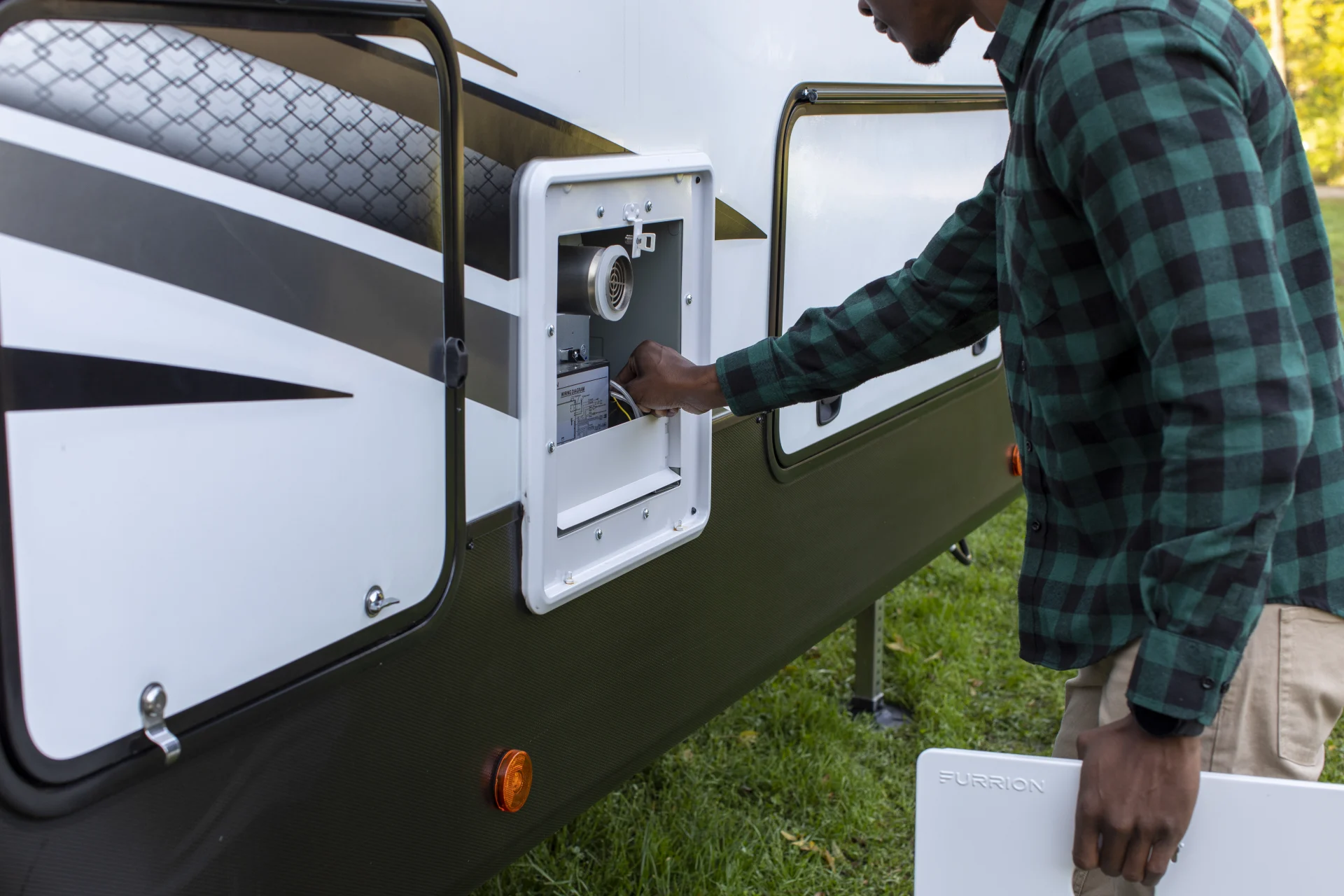
Hot water makes a big difference when you’re traveling in an RV. It helps with morning showers, washing dishes, and cleaning up after a long day outdoors. However, not every RV water heating system works the same way. Some store hot water in a tank, while others heat it as water flows through the unit.
Choosing the right rv water heater depends on your vehicle, water usage, energy supply, and travel habits. A traditional system may suit occasional camping, while a tankless design can support longer showers. Understanding these options can help you avoid installation problems and enjoy more comfortable trips.
Understanding the Different RV Water Heating Systems
RV water heaters generally fall into two main categories: traditional tank systems and on-demand tankless systems. Both provide hot water, but their heating methods and daily performance differ.
Traditional Tank Water Heaters
A traditional rv water heater stores a set amount of water inside an insulated tank. Many RV models hold around six or ten gallons. The system heats the stored water using propane, electricity, or both, depending on its design.
Tank systems provide hot water as soon as the water reaches the desired temperature. However, extended showers can empty the available supply. Once the tank runs low, the heater needs time to warm the incoming cold water.
On-Demand Water Heating Systems
An rv tankless water heater works without storing a large volume of hot water. Instead, it heats incoming water as it passes through a heat exchanger. Many RV tankless models use propane burners and electronic controls to manage the heating process.
This design can provide a continuous supply of heated water while the system operates within its capacity. It also removes the need to keep a storage tank hot between uses. However, water pressure, incoming temperature, and minimum flow requirements affect performance.
How to Match a Water Heater to Your Travel Routine

Your travel habits should guide your choice more than the latest features. Consider how often you shower, how many people share the RV, and whether you regularly camp without utility connections.
Weekend Camping and Short Trips
Weekend travelers often have simple hot water requirements. Short showers, handwashing, and occasional dishwashing may not require a high-capacity system. A traditional tank heater can handle these tasks without introducing unnecessary complexity.
Tank models can also be practical when replacing an existing unit. Many RVs already have compatible plumbing and electrical connections. Keeping the same type of heater may reduce the changes needed during installation.
Extended Travel and Full-Time RV Living
People who spend several weeks or months on the road may use hot water throughout the day. Multiple showers, kitchen activities, and regular cleaning can place greater demands on a small storage tank.
An rv tankless water heater can help when several people need hot water one after another. Its on-demand operation reduces the need to wait for a storage tank to recover. However, it still depends on available propane, water supply, and the unit’s heating capacity.
Important Features to Check Before Choosing an RV Heater
A water heater should work with your RV’s existing systems. Checking a few technical details before purchasing can prevent compatibility issues and unexpected installation work.
Heating Capacity and Water Flow
Heating capacity affects how much water a system can warm at a given time. Manufacturers often express burner output in BTUs and water flow in gallons per minute (GPM). Higher output can support greater water flow, but actual performance also depends on incoming water temperature.
For example, cold water entering the heater during winter requires more energy to reach a comfortable shower temperature. This can reduce the amount of hot water delivered at once. Compare performance figures under similar conditions instead of relying on maximum flow ratings alone.
Power Supply and Fuel Requirements
Many RV water heaters use propane because it provides heat without requiring a large electrical supply. Some traditional models also include electric heating elements. This flexibility can be useful when staying at campgrounds with electrical hookups.
Tankless propane systems usually need a small 12V supply for ignition, sensors, and electronic controls. Check your RV’s electrical setup and propane connections before selecting a replacement. Also consider how much fuel you typically carry during longer trips.
Size and Installation Compatibility
A heater must fit the available space and connect properly to the RV’s plumbing system. Measurements should include the exterior access door, mounting opening, and required clearance. Even heaters with similar dimensions may have different connection or venting requirements.
Replacing a tank system with a tankless model may involve additional modifications. These can include electrical changes, adjustments to gas connections, or new installation hardware. Review the manufacturer’s installation instructions and seek qualified help when working with propane or combustion equipment.
Everyday Benefits of Tankless Heating
On-demand heating changes how hot water is delivered during regular RV use. Its benefits are most noticeable when several activities require hot water throughout the day.
Longer Showers Without Tank Recovery
A traditional storage system has a limited supply of heated water. Once that supply runs low, users may need to wait before taking another comfortable shower. This can become inconvenient when several travelers share one bathroom.
A properly sized rv tankless water heater can continue heating water during consecutive showers. The system does not need to refill and reheat a storage tank between users. However, continuous heating does not mean unlimited water, especially when traveling with a limited freshwater supply.
More Flexible Use of Interior Space
Removing a large storage tank can create opportunities for a more compact heating arrangement. Tankless systems generally have a smaller heating chamber because they do not store several gallons of hot water.
The actual space savings depend on the model and installation location. Some replacement units use existing RV openings, while others require different mounting arrangements. Always compare the complete installation dimensions rather than the heater’s body size alone.
Common Challenges and Maintenance Considerations
Every heating system needs proper care. Understanding common problems can help RV owners maintain consistent performance and avoid preventable damage.
Water Pressure and Temperature Changes
Tankless heaters require a certain amount of water flow to activate and operate correctly. If the flow falls below the manufacturer’s minimum requirement, the burner may stop heating. This can affect low-flow showerheads and certain water-saving routines.
Temperature fluctuations can also occur when water demand changes suddenly. Opening another faucet may affect the amount of hot water reaching the shower. Choosing a suitable unit and maintaining stable water pressure can help reduce these issues.
Protecting the Heater During Cold Weather
Freezing temperatures can damage water heating equipment. Water trapped inside pipes, storage tanks, or heat exchangers may expand and cause cracks. Tankless models can be particularly sensitive because their internal water passages may be narrow.
Follow the manufacturer’s winterization instructions before storing an RV in freezing conditions. Drain the system or use an approved winterization procedure where required. Built-in freeze protection may help in certain situations, but it should not replace proper winter preparation.
Routine Cleaning and System Checks
Regular maintenance helps keep an RV heating system operating safely. Inspect accessible connections for leaks and check the exterior vent for dirt or obstructions. Follow the manufacturer’s recommended schedule for cleaning and servicing the burner and other components.
Traditional tank heaters may require periodic flushing to remove sediment. Tankless units can also develop mineral buildup, particularly when supplied with hard water. The maintenance process varies by model, so use the correct instructions for your equipment.
Making the Right Choice for Your RV
The right heating system should fit your travel schedule, available utilities, and daily water requirements. A few practical questions can narrow your options and make the selection process easier.
If you already have a working tank system, consider whether its capacity actually limits your comfort. Replacing it may not be necessary if your hot water needs are modest. But frequent travelers who share showers may benefit from exploring an on-demand upgrade.
Before making a decision, compare heating capacity, installation dimensions, fuel consumption, and maintenance requirements. An rv tankless water heater can be a useful option for extended travel, provided its flow rate and operating requirements match your RV. A traditional system remains a practical choice for travelers who prefer stored hot water and familiar equipment.
Frequently Asked Questions
How long can an RV tankless water heater provide hot water?
It can provide hot water continuously while fuel, water flow, and operating conditions remain within the unit’s limits. Your freshwater supply still determines how long you can shower.
Can an RV water heater run on electricity?
Yes. Some traditional models use electric heating elements, while others operate on propane or both. Most propane tankless models need 12V electricity for their controls and ignition.
Is a tankless water heater suitable for winter camping?
It can work in cold weather if the model supports the conditions and receives proper protection. Check its freeze protection features and follow the manufacturer’s winterization instructions.
What size RV water heater do I need?
The right size depends on the number of travelers, shower habits, and available installation space. For tankless models, compare heating capacity and flow rate alongside your expected incoming water temperature.
Can I replace a traditional RV water heater with a tankless model?
Yes, some RVs support this upgrade. However, you must check the mounting dimensions, plumbing, propane supply, electrical connections, and venting requirements before installation.



Leave a Reply