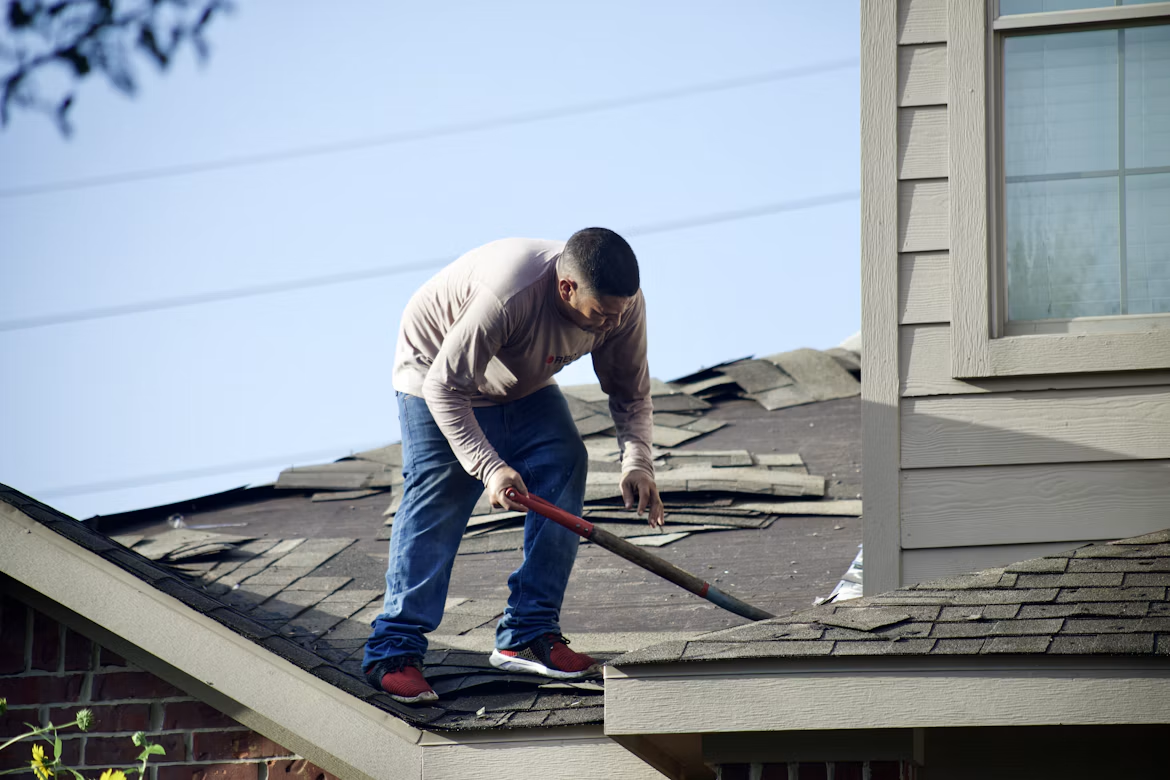
Recent high-wind events are prompting property owners to assess exterior building envelopes before undetected moisture compromises decking and insulation.
Strong weather cycles and sudden wind gusts frequently sweep through residential neighborhoods, leaving subtle property damage in their wake. You might glance up at your house after a storm passes and assume everything remains intact because every shingle appears in place from the driveway.
Quiet structural issues often develop right beneath the surface without displaying immediate, dramatic warning signs. Catching these unseen vulnerabilities early preserves your home structure, prevents costly interior destruction, and maintains long-term structural integrity.

What makes high wind cycles dangerous for residential roofs?
Violent wind patterns do not affect a roof uniformly. Wind accelerates as it moves up and over a building, creating massive suction pressure along roof edges, eaves, and ridges. This uplift force pulls directly against asphalt shingles, single-ply membranes, and flashing assemblies. When continuous pressure pummels these high-stress zones, small stress fractures form along structural seams long before entire panels detach.
Older materials face elevated risks during these weather events. Research published by the Texas Department of Insurance reveals that as roofing shingles age, high-velocity wind cycles easily lift individual tabs, allowing wind-driven rain to enter underlying building structures. Unseen micro-gaps created during moderate gales leave your residence exposed when the next rainstorm hits.
How do gusty conditions break shingle adhesive seals?
Asphalt shingles rely on factory-applied thermal sealant strips to bind overlapping layers into a continuous weather barrier. Strong wind gusts force air under loose edges, flexing shingles upward and breaking those critical adhesive bonds. Once a seal fails, the shingle acts like a tiny flap, lifting with every breeze and inviting moisture beneath its surface.
Routine maintenance checks become imperative after major gusts pass through your area. Homeowners who take time to book an inspection catch tiny seam separations before heavy rainfall turns hidden gaps into catastrophic indoor leaks. Professional evaluations detect slight tab lifts that standard ground-level observations miss entirely.
Partial seal failure remains one of the most treacherous forms of storm damage. Because lifted shingles fall back into place after breezes die down, your roof looks completely undisturbed from the yard. Water then travels along nail penetrations during subsequent rainfall, quietly infiltrating structural layers without raising red flags.
Why does minor flashing distortion compromise exterior building envelopes?
Metal flashing safeguards the most vulnerable points on a roof, including valleys, chimneys, vent pipes, and wall intersections. These thin metal sheets direct rushing rainwater away from joints where roof planes meet vertical walls. Strong wind gusts wedge under flashing edges, bending or warping metal strips away from timber framing.
Physical distortions create direct pathways for liquid intrusion. A report from the Florida PACE Funding Agency notes that high winds buckle or tear metal flashing while curling shingles along joints, leaving building envelopes exposed to water damage. Slight gaps along side walls or chimney bases let water channel straight into interior wall cavities.
Heavy rain combined with high wind pressure pushes water uphill beneath loosened flashing. This phenomenon, known as wind-driven rain intrusion, bypasses gravity-based shedding systems. Moisture trapped behind distorted metal channels eventually saturates surrounding wall studs and ceiling joists.
Where does hidden moisture infiltrate your roof structure?
Unseen water entry points follow the path of least resistance down internal slopes. Water seeping through unsealed shingle tabs saturates protective underlayment felt. Once the underlayment absorbs its maximum capacity, liquid pooling begins directly atop plywood deck sheets.
Plywood decking absorbs standing moisture like a sponge. Prolonged dampness breaks down synthetic glues binding wood veneers, triggering delamination, swelling, and localized soft spots. Walking across damaged decking reveals spongy areas where structural strength has eroded completely.
Unchecked moisture migrates from deck boards into solid wood rafters and roof trusses. Continuous dampness creates ideal environments for fungal decay that compromises wood fibers. Over extended periods, weakened framing struggles to support heavy snow loads or subsequent high-wind events.
What happens when attic insulation absorbs persistent leaks?
Liquid trickling past wooden decking drips directly into attic insulation spaces. Blown-in cellulose and fiberglass batts trap moisture within dense fiber networks, stripping away thermal insulation properties. Wet insulation compressed under weight leaves home interiors vulnerable to extreme outdoor temperature fluctuations.
Trapped water creates damp, warm environments inside attic spaces where toxic mold species thrive. Spores reproduce quickly, spreading through attic air channels and contaminating air circulating through living quarters. Identifying signs of wet insulation saves energy costs and preserves interior air quality.
- Inspect attic spaces: Search for wet insulation or dark timber stains after strong windstorms.
- Track utility shifts: Watch for unexplained spikes in monthly heating and cooling costs.
- Check drywall surfaces: Monitor top-floor ceilings for faint discoloration or peeling paint.
- Evaluate indoor humidity: Pay attention to sudden musty odors in upper levels.
How should you handle post-storm safety protocols?
Walking across steep, damp, or potentially weakened roof slopes carries extreme physical risk after severe weather. Structural deck collapse or sudden slipping can lead to severe personal injury. Homeowners must avoid climbing onto rooftops without professional safety harnesses and proper training.
Visual assessment should begin safely at ground level using high-resolution digital cameras or binoculars. Scanning roof edges, valleys, and gutters from safe vantage points helps gather initial damage documentation without placing anyone in danger.
Documenting external visual evidence safely
Walk around your property perimeter to record visible signs of storm impact. Look for loose shingle granules piled inside downspouts, displaced ridge caps, or bent fascia trim along rooflines. Clear photographs provide crucial records for insurance adjustments.
Prioritizing rapid emergency mitigation
Rapid response prevents minor leaks from snowballing into structural disasters. Securing heavy weatherproofing tarps over exposed roof sections stops incoming downpours from entering open building seams. Prompt protective action minimizes interior drywall destruction and structural frame rotting.

Protecting your home from storm damage starts with recognizing subtle warnings before water enters living spaces. Unseen wind damage presents quiet risks, but remaining vigilant keeps your building envelope secure. Taking timely, proactive steps to inspect, document, and repair exterior vulnerabilities stops progressive decay in its tracks, preserving structural strength, property value, and peace of mind through every season.




Leave a Reply