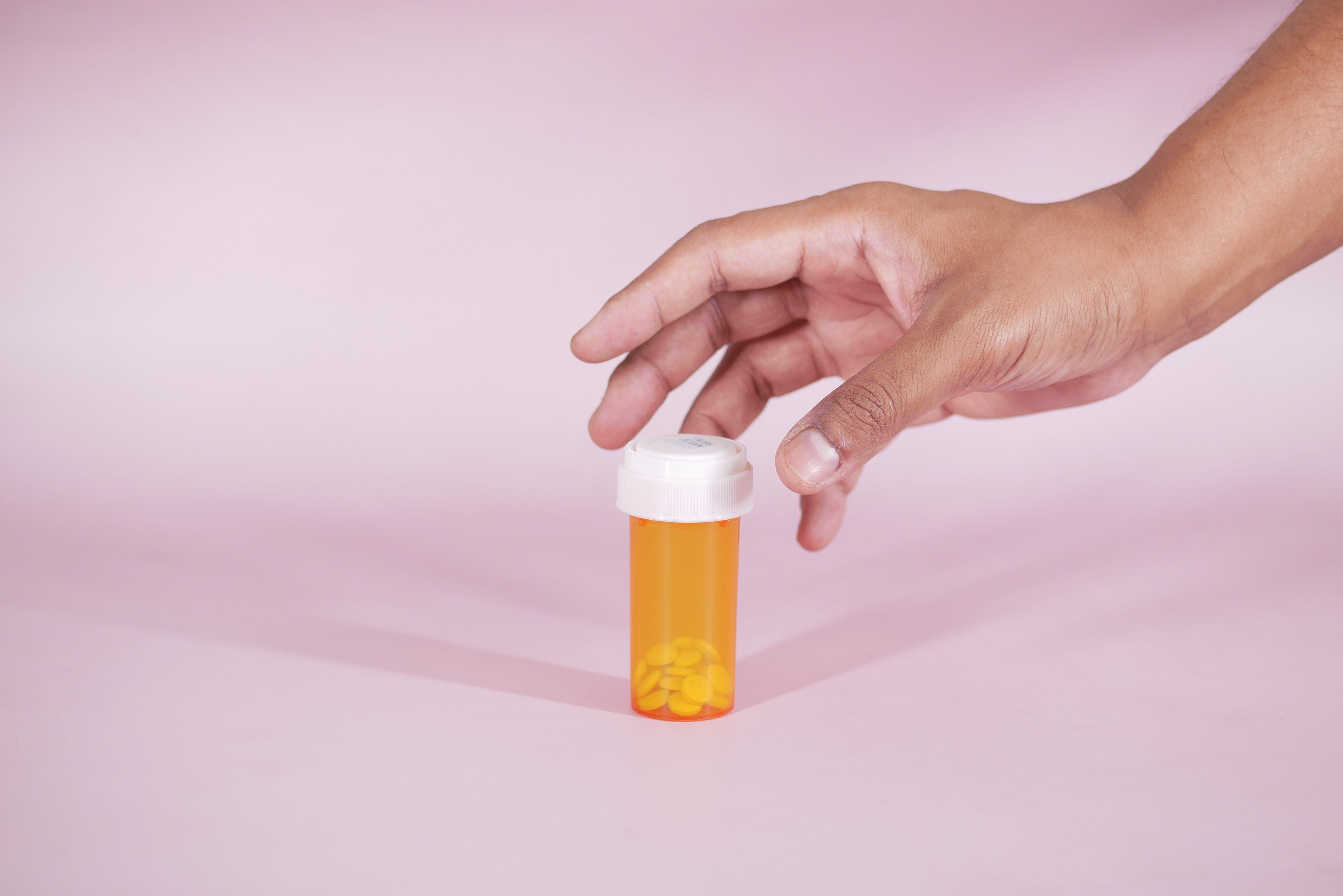
How Combination Preparations Serve Better Efficiency
When you face a headache, you can be almost paralyzed by it. It can be annoying, frustrating, devastating, or even unbearable. Whatever your headache is, you need reliable relief to get rid of it. Typically, the list of pain-killers for headaches is quite familiar to everyone, but new generations of such OTCs offer higher opportunities due to their multi-ingredient formulas. Are they really better for headache management, and what does their efficiency depend on?
A Familiar Headache Does Not Make Every Medicine Interchangeable
What we call a headache can be the result of various causes, and although most OTC pain relievers target the pain itself, the cause still matters and makes headache medicines not interchangeable sometimes. For example, migraine pain is a complex neurological disorder, which cannot be defeated by classic analgesic medicines. The same applies to medication overuse headaches caused by regular intake of classic painkillers. Their overuse causes headache itself. Therefore, using familiar medications is not always a solution, and when a headache occurs, it is better to detect its cause and select a preparation for a purpose.
Single-Ingredient and Combination Pain Relievers
Headache remedies are mostly represented in the form of pain relief pills. They divide into several categories, depending on the active component:
- Acetaminophen-based medications block pain signals in the central nervous system.
- NSAIDs block prostaglandin production and reduce inflammation.
At once, besides single-ingredient formulas, combination pain relievers gain popularity due to their synergistic action. Their components mutually boost the efficiency, providing a more potent effect. Examples of such formulas are analgesics + caffeine, NSAID + acetaminophen, or analgesics + spasmolytics.
What Is Inside Citramon BP
One of the most prominent examples of combination headache medicines is Citramon BP. Its efficiency is based on the synergy of three core ingredients:
- Acetylsalicylic acid works as NSAID and blocks COX enzymes that trigger pain and inflammation.
- Acetaminophen (paracetamol) acts as a rapid pain reliever by affecting the central nervous system.
- Caffeine provides a ‘multiplier effect’ and enhances the action of previous components, improving their bioactivity and absorption speed.
As a result, the medication affects both headaches caused by inflammation and by other factors, acts quicker than classic mono-component medications, and provides comprehensive relief.
Common Label Warnings That Matter
When deciding on the medication to take for taming headaches, please be cautious. What is worth your attention?
1. The presence of duplicated components. If you take acetaminophen meds, do not combine them with the same Citramon so as not overdose paracetamol.
2. The age and health condition of a patient also matter. The same acetylsalicylic acid (Aspirin) is prohibited for children’s use, and it should be used with caution in patients with poor blood clotting.
3. Every component in headache-relieving medications can cause hypersensitivity or allergy. So, if you are prone to them, it is better to avoid such medication. Caffeine, by the way, is among such substances, too.
Read the Formula Before Choosing the Product
Therefore, when you suffer from a headache, your starting point is not at taking a pill but at deciding on its origin, thorough selection of a medication, and cautious intake. May you never have a headache, and may a reliable medication always be available in your first-aid kit.



Leave a Reply