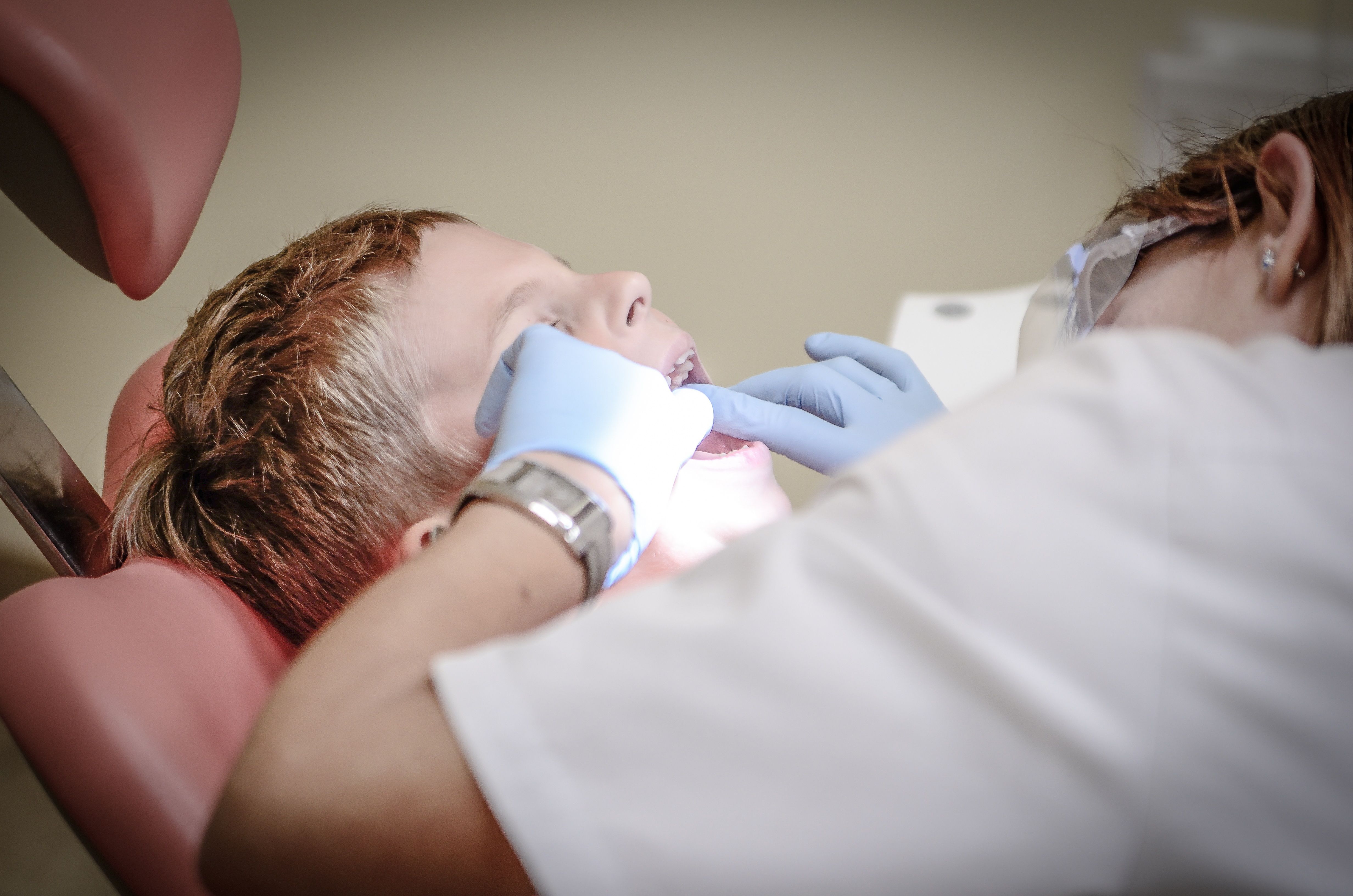
My neighbor’s kid screamed so hard at his first cleaning that the hygienist had to work in ten second bursts. He’s eight now, walks in ahead of his mom, and asks for the flavor of polish. The turnaround wasn’t magic and it wasn’t a medication. It was a parent who stopped treating the meltdown as a behavior problem and started treating it as information.
That reframe matters, because most dental fear in kids isn’t a character flaw, and it isn’t a sign you did something wrong. It’s a communication gap. Your child can’t tell you “the suction sound startled me” or “I don’t know what that instrument does,” so the body says it instead, loudly, sometimes in the waiting room.
So here’s the useful question. When your kid refuses to open their mouth, is that ordinary nervousness or a pattern worth addressing before the first appointment? Knowing which one you’re holding changes what you do next, and it’s the reason a good pediatric dentist overland park care at Pediatric Dental Specialists will ask what happened at the last visit before anything else happens in the chair.
Two kids, same nervous system, very different outcomes
Picture two six year olds on the same Tuesday morning.
Maya has never had a cavity. She’s also never been told what the little mirror does. She walks in, hears the drill from another room, and freezes. Her mom spends the visit apologizing. Next time, Maya remembers the hallway sound and refuses to get out of the car.
Devon has had a filling. He knows what the numbing gel tastes like and that the chair reclines slowly. He still hates the appointment. But he sits down, because nothing in the room is a mystery. His mom flagged one thing on the intake form: loud rooms make him anxious. The office put him in a quieter slot.
Same baseline fear, totally different trajectories. The variable wasn’t bravery. It was predictability. A child who knows what comes next can tolerate discomfort. A child braced for something unknown cannot, and no amount of “be a big kid” talk closes that gap. I’ll take the boring explanation over the pep talk every time.
Nerves versus a flag: how to sort it out
Some anxiety is developmental and fades with exposure. Some of it tells you the child needs a different approach on day one. Here’s the split I’d use before you call anyone.
| What you notice | Usually ordinary nerves | Worth flagging |
|---|---|---|
| Timing | Cranky for an hour after, fine by dinner | Sleep and appetite off for days afterward |
| Focus | Scared of the chair or the noise | Scared of being talked over or held down |
| Pattern | One rough visit, then improvement | Escalating dread before every appointment |
| Memory | Forgets the details within a week | Replays specific sensory moments for months |
The pattern column is the one parents underrate. A single ugly afternoon is normal. A child who starts complaining three days before the appointment, every single time, is telling you the anticipation is the problem, not the cleaning itself. That’s a scheduling and preparation issue you can fix.
What to ask the office before you walk in
Call and ask three questions. How do you handle a kid who needs a break mid cleaning? What’s the wait room like, and can we skip it? And what should I say at home so I don’t contradict your script?
You’d be shocked how many practices answer all three without hesitation. That’s the signal you’re looking for. A pediatric office that welcomes sensory requests and quieter slots has done this a thousand times. One that brushes off your questions has told you something too.
It helps to know the professional baseline here. The American Academy of Pediatric Dentistry treats anxiety management and behavior guidance as core pediatric training, not an optional extra, which is why you can and should ask about it directly. Pediatric dentists are trained to work with frightened children, so using that training is fair game.
The prep script I’d use, word for word
Explain what happens in the order it happens. Short sentences. No promises about how it will feel, because you can’t know, and broken promises are what create the dread.
Try something like this the week before: “You’ll sit in a big chair that leans back. They’ll count your teeth with a little mirror. Your mouth gets a rinse that tastes like mint or bubblegum. Then you pick a sticker and we get pancakes.” Name the reward. Kids anchor to the last thing.
Then stop talking about it. Over-prepping creates its own anxiety, and the drive to the appointment is not the time for a second briefing. Put on music. Answer questions with two words. Save the coaching for a calmer day.
One more move that pays off: let your child practice at home with a kitchen chair and a flashlight. Sounds silly. Works anyway, because familiarity with the posture takes the sting out of the room.
The habit shift that actually cuts repeat visits
Fear aside, most kids end up in the chair repeatedly because of one boring habit gap. Two minutes of brushing twice a day is the whole game, and the daily details matter more than the flavor of the toothpaste.
The Centers for Disease Control and Prevention treats fluoride toothpaste and regular dental visits as central to preventing tooth decay in children, which is the least glamorous advice you’ll get this week and the most effective. Brush side by side with your kid and watch their technique. Most of them scrub a tiny patch of front teeth and call it done.
Where the handoff belongs
If your child is older than seven, still panics at every appointment, and has started avoiding talking about their teeth entirely, that’s a conversation for the dentist, not for more sticker charts at home. Ask the office what their approach is for anxious patients. Some practices offer longer appointment slots and step by step introductions to each instrument. Some don’t, and you should know which one you called.
You’re not looking for a magic phrase that makes a scared kid brave. You’re looking for a predictable room, a team that asks what happened last time, and a parent who stopped apologizing for a very normal nervous system.
Next time the appointment lands on the calendar, try the script, make the three calls, and let the meltdown be information instead of a verdict. What’s the one thing your kid remembers from their last visit, in their words, not yours? That answer tells you exactly what to flag.


Leave a Reply