Selecting a medical alert plan can be challenging due to differences in costs, devices, and safety features. You may want a service that’s affordable, but saving money shouldn’t mean you don’t get help when you need it in an emergency.
For example, a plan with a low monthly cost may not include fall detection or coverage outside your home. These differences can impact how well a system meets your needs.
The key is to look beyond the advertised price and see what each plan offers. By comparing key features, coverage, and ongoing costs, you can find a system that fits your lifestyle and budget.
With that in mind, let’s take a look at five practical ways to compare medical alert plans without compromising your safety.
1. Compare the Full Monthly Cost
When comparing medical alert plans, consider where you live and how far you need your protection to reach. Your needs may differ depending on whether you live in a city, a rural area, or a remote location.
For example, seniors in Canada who want to remain independent can compare the life alert cost for Canadians to see how the price ranges from basic home systems to mobile devices. This comparison tells you if a lower-priced plan suits you or if spending a little more secures you valuable protection.
Then, verify that the subscription covers the equipment, emergency monitoring, and any features you might need. Some plans include additional costs for fall detection or mobile protection, which can be added to the total monthly cost. Look at the full price, not just the advertised fee.
Additionally, you should check for cancellation policies, equipment fees, and activation costs. A plan without a long-term contract also allows you to cancel the service more easily if your living arrangements or safety needs change. By checking these details before signing up, you can avoid unexpected costs and keep the safety features that are most important to you.
2. Check Device Durability and Water Resistance
A medical alert device should withstand regular use and fit into your daily routine. Therefore, check its build quality and water resistance before choosing a plan. These characteristics matter as you might have to wear the device at home while cleaning or cooking, or taking a shower.
Water resistance is especially useful when you want to leave your device on when taking a bath. Bathrooms can be common places for slips and falls, so removing your alert button during this time may leave you without immediate access to help. Determine whether the device is planned to be used with water exposure and understand any restrictions on use.
You should also consider how well the device can handle everyday wear. A durable design makes regular use more convenient and helps avoid worries about minor splashes or daily use. Based on these details, you will be able to select a device that would be suitable for your routine and will be comfortable to wear during the day.
3. Choose a System That Fits Your Lifestyle
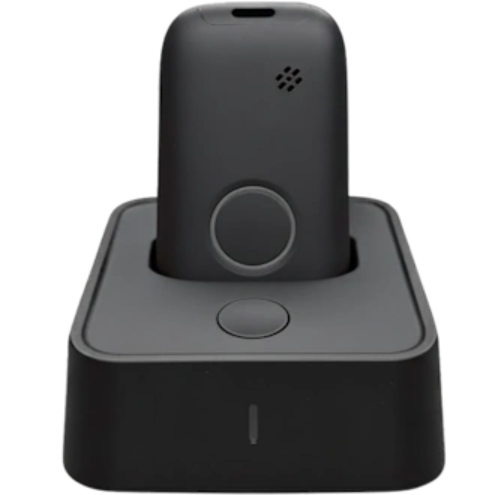
Your daily routine should guide your choice of medical alert plan. A home-based system can protect you in case you spend most of your time at home. Test the range of the pendant from the base unit, so that you can access help when you are moving between rooms or when you are spending time in your garden.
However, a home-based device may not safeguard you when you move out of its range. When you are taking a walk, shopping, or meeting friends, you may want to consider a mobile system with cellular connectivity and GPS positioning. These features can help the monitoring specialists identify your location and when you need help and are not at home.
Before choosing a mobile plan, check its network coverage in the places you visit most. Also, consider battery life and charging needs. A device that runs out of battery during an outing cannot provide reliable protection, so choose one that suits your routine and charging habits.
4. Review Fall Detection and Communication Features
Fall detection can provide an extra layer of protection, especially if you are at risk of falling. This feature uses sensors to detect a possible fall and automatically send an alert to the monitoring center. It may help when you cannot reach or press the help button after an incident.
Check whether it is part of the plan or an add-on expense per month. If you choose this upgrade, continue wearing your help button and pressing it whenever you can during an emergency.
Next, review other practical features, such as two-way voice communication. Such information makes a meaningful difference without the need to spend money on what you are not likely to use.
5. Consider Battery Life, Coverage, and Ongoing Support
A medical alert system should always be ready when you need it. For a home-based device, check the backup battery life in the event of a power outage. If you want a mobile unit, check the battery life on a full charge and how fast it charges. These details help you know how to operate the device in daily use.
You should also see how the provider responds to technical problems. Ask if they can assist with setup, battery issues, connection issues, etc. If family members are involved in your care, an app that shows battery and signal status or sends alerts may be useful as well.
Finally, ensure that the device operates in the areas you want to protect. Look into the service’s coverage area, support services, and how to update emergency contacts. A plan that provides reliable monitoring and useful support may be a better value than a plan that costs less but provides fewer useful features.
Final thoughts
Medical alert plan comparison is about more than the lowest monthly price. And you have to think about features like monitoring services, device coverage, fall detection, battery life, and the help you can get if something goes wrong.
Start with what you need on a daily basis and what risks you want to cover. Then, compare the overall cost of the plans that have the features you need. Carefully review these details, and you can choose a medical alert system that fits within your budget and helps you remain independent and get help when it counts.



Leave a Reply