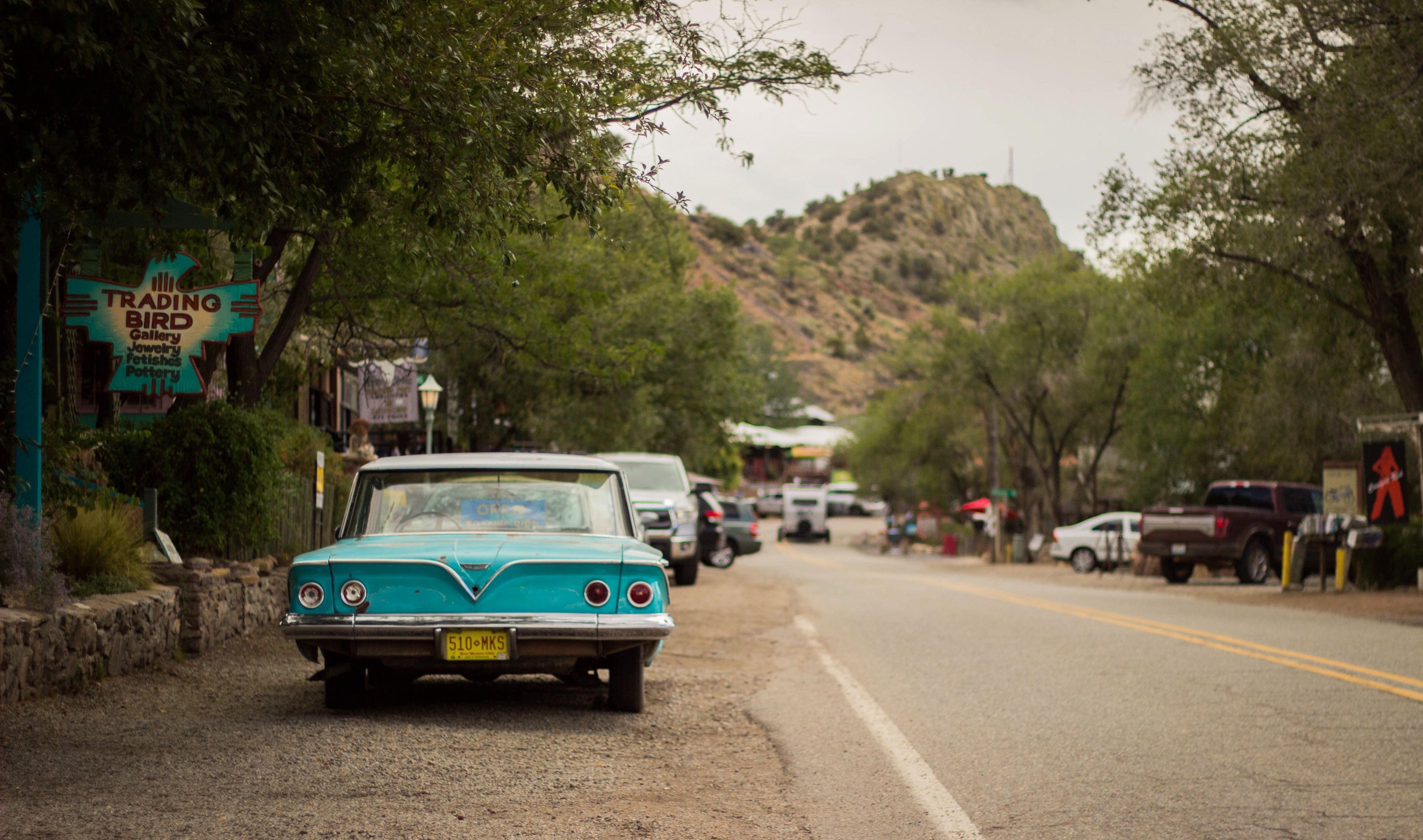
Relocating to a new city is one of life’s most profound milestones, bringing a unique mixture of exciting opportunities and complex logistical decisions. Nestled in the heart of New Mexico against the dramatic backdrop of the Sandia Mountains, Albuquerque—known affectionately as the Duke City—offers an appealing blend of rich Southwestern heritage, vibrant art scene, high-desert landscapes, and accessible living. Whether you are transferring for career advancement, pursuing higher education, or simply seeking 300-plus days of annual sunshine, moving to Albuquerque requires strategic preparation to ensure a stress-free transition.
From establishing realistic relocation budgets to exploring diverse neighborhoods and selecting early childhood education, here is your comprehensive guide to everything you need to know before moving to the Land of Enchantment.
1. Evaluating Financial Realities and Cost of Living
One of the primary advantages of relocating to Albuquerque is its favorable cost of living compared to many other major metropolitan centers in the Western United States. Housing costs, in particular, remain lower than nearby regional hubs such as Denver or Phoenix. However, moving costs can accumulate rapidly if you do not plan your budget meticulously in advance.
When drafting your moving budget, account not only for home purchase prices or monthly rental rates, but also for standard moving company fees, utility setup deposits, packing supplies, and travel expenses. If your move involves long-distance travel, it is best to obtain estimates from several reputable moving companies early to secure competitive rates and lock in your preferred dates. Additionally, factor in minor incidental costs such as vehicle shipping or temporary lodging during the settling-in phase.
2. Choosing the Right Neighborhood for Your Lifestyle
Albuquerque is geographically divided into distinct quadrants, each featuring its own personality, architectural character, and community feel. Thoroughly researching neighborhood safety, local school ratings, commute times, and proximity to daily amenities is crucial to building a smooth daily routine.
- North East Heights: Highly popular among families and professionals, this area is celebrated for its sweeping views of the Sandia Mountains, quiet residential streets, and access to top-performing public schools.
- Nob Hill & UNM District: Located along historic Route 66, this vibrant urban neighborhood features mid-century architecture, eclectic boutiques, artisanal coffee shops, and walkable streets near the University of New Mexico.
- Westside: A rapidly expanding area offering modern master-planned communities, spacious single-family homes, and extensive retail developments, making it ideal for first-time buyers seeking space.
- North Valley & Corrales: Marked by lush agricultural land, historic adobe homes, tall cottonwood trees, and a peaceful rural feel only minutes away from downtown conveniences.
Visiting prospective neighborhoods in person or exploring local community forums can give you genuine insight into the culture and overall feel of the area before making a long-term commitment.
3. Education, Family Life, and Community Amenities
For families relocating with young children, evaluating local educational institutions and neighborhood amenities is often a top priority. Albuquerque offers a mix of public, public charter, and private educational opportunities tailored to diverse learning styles.
When evaluating options for younger children, finding the best pre-k in Albuquerque is often a primary consideration for parents looking to establish a strong early learning foundation. High-quality early learning programs provide structured social environments, literacy preparation, and creative play that help young children adjust smoothly to their new city.
Beyond schooling, Albuquerque boasts exceptional family-friendly attractions, including the ABQ BioPark (featuring a zoo, aquarium, and botanical garden), interactive science museums like Explora, and extensive neighborhood parks that encourage outdoor play throughout the year.
4. Adapting to the High-Desert Climate and Culture
Sitting at an elevation of over 5,000 feet above sea level, Albuquerque experiences a high-desert climate characterized by low humidity, bright sunshine, and four light seasons. Newcomers should prepare for intense sunshine and noticeable temperature swings between daytime and evening hours. Staying hydrated and applying sunscreen regularly are essential habits when adapting to the altitude.
Outdoor enthusiasts will find no shortage of activities. The nearby Sandia Peak Tramway transports visitors to mountain trails for hiking, mountain biking, and winter skiing, while the Paseo del Bosque Trail provides miles of uninterrupted multi-use path along the Rio Grande. Culturally, the city is world-famous for its unique New Mexican cuisine—centric around red and green chile—and the international Balloon Fiesta, which paints the October skies with hundreds of colorful hot-air balloons.
5. Moving Logistics and Final Preparations
To maintain peace of mind as your move date approaches, stay organized by building a step-by-step relocation checklist. Contact utility providers—including water, electricity, gas, and internet—at least two weeks before arrival to arrange uninterrupted service. If moving from out of state, ensure you update your driver’s license and vehicle registration with the New Mexico Motor Vehicle Division (MVD) within 30 days of moving.
By taking the time to evaluate financial priorities, explore neighborhoods, and prepare for the Southwestern lifestyle, your move to Albuquerque will mark the beginning of an exciting, rewarding new chapter.




Leave a Reply