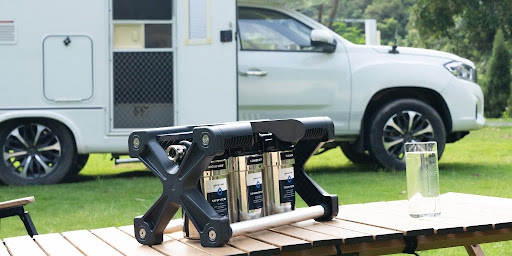
Getting an RV ready for a new camping season involves more than checking tires, testing appliances, and organizing travel supplies. The water system also deserves attention because it supports drinking, cooking, cleaning, and many everyday activities. Choosing the best rv water filter system can be one part of preparing for a comfortable journey, particularly when traveling between campgrounds with different water supplies. A little planning before departure can help RV owners identify maintenance problems, select suitable filtration equipment, and avoid unnecessary interruptions during their trips.
Why Water System Preparation Matters Before Camping
A reliable water filter system for rv use can provide an additional filtration step when water enters the vehicle. However, preparing the complete water system is equally important. Hoses, tanks, connectors, pumps, and plumbing components should all be inspected before the first trip of the season.
During storage, an RV may remain unused for weeks or months. Water left in tanks or pipes can become stale, while seals and fittings may deteriorate. Dust, debris, or insects can also affect external connections if they have not been properly protected.
Starting the season with a clean and inspected system helps reduce the risk of leaks, unpleasant odors, and unexpected maintenance issues.
Inspect the Fresh-Water Tank
Begin by checking the fresh-water tank for visible damage, loose connections, and signs of leakage. Examine the surrounding area for moisture or unusual odors that could indicate a problem.
If the RV has been stored for an extended period, clean and sanitize the tank according to the vehicle manufacturer’s instructions. Use only products intended for the purpose and follow the recommended concentration and contact time.
After sanitizing, flush the tank and plumbing as directed. Do not rely on a quick rinse if the manufacturer’s procedure requires a more thorough process.
It is also helpful to inspect the tank’s access points and fill connection. Keep caps and openings clean to reduce the chance of introducing dirt into the system.
Examine Hoses and Water Connections
Water hoses are exposed to outdoor conditions, frequent handling, and changing temperatures. Over time, they can develop cracks, worn fittings, or damaged washers.
Before connecting to a campground supply, inspect the full length of each hose. Look for bulges, leaks, discoloration, or signs of deterioration. Replace damaged equipment rather than attempting to use it for another season.
Choose hoses designed for potable-water applications. Keep the ends off the ground when possible and use clean caps during storage.
Check the RV inlet and external connectors as well. A damaged washer or loose fitting can cause leaks even when the hose itself is in good condition.
Review Your Filtration Equipment
A seasonal inspection is a useful opportunity to evaluate the filtration system. Check the housing for cracks, inspect the connections, and look for signs of leakage around seals.
If a cartridge remained installed during storage, consult the manufacturer’s guidance to determine whether it should be replaced before use. Filter life may depend on time, water consumption, incoming water quality, and storage conditions.
A multi-stage system can be convenient for RV owners who want to address different water-quality concerns through one arrangement. For example, sediment filtration can capture suspended particles, while activated carbon may reduce certain taste- and odor-related substances.
The GlacierFresh AUQAGO RV filtration system is described as a three-stage arrangement. Review its current specifications, installation instructions, and replacement-filter requirements before deciding whether it fits your vehicle.
Check the Water Pump and Plumbing
The water pump is an important part of an RV’s internal water system. Turn it on according to the manufacturer’s instructions and listen for unusual noises or repeated cycling.
Inspect faucets and visible plumbing connections for leaks. Open each tap briefly and observe whether water flows consistently. Unusual pressure changes may indicate an issue with the pump, a blocked filter, a closed valve, or another plumbing component.
Do not assume every water-flow problem is caused by the filtration system. Check the complete arrangement before replacing cartridges or making adjustments.
If you notice persistent leaks, electrical concerns, or pump problems, consult a qualified RV technician.
Prepare for Different Campground Water Supplies
A new camping season may involve visits to locations with different water sources. Some campgrounds use municipal supplies, while others may rely on private wells or storage systems.
Water characteristics can vary between destinations. One location may have noticeable chlorine taste, while another may have more sediment or mineral content.
Before connecting, ask campground management about its water supply and any current advisories. If the source is unfamiliar, consider appropriate water testing rather than relying on taste or appearance alone.
A filtration system should be selected according to the specific concerns it is designed to address. Ordinary sediment and carbon filters should not be assumed to remove every contaminant or make an unsafe water supply suitable for drinking.
Keep Replacement Cartridges Ready
Finding the correct replacement cartridge during a trip can sometimes be difficult, particularly when traveling through remote areas.
Check your filter model and purchase compatible replacements before departure if they may be needed during the season. Keep cartridges in their original packaging until installation and follow the storage instructions.
Record the installation date and expected replacement interval. This makes it easier to monitor filter use and prevents cartridges from remaining in service beyond the manufacturer’s recommendations.
Carrying a suitable spare can also be helpful for travelers who spend extended periods away from major towns.
Protect the System During Temperature Changes
Seasonal weather can affect RV plumbing. In cold conditions, water remaining inside pipes, fittings, or filter housings may freeze and cause damage.
Follow the vehicle manufacturer’s winterization instructions when temperatures are expected to fall below freezing. Drain the relevant components and use only approved procedures and materials.
When the RV returns to service, inspect the system carefully before reconnecting the water supply. Look for cracks, loose fittings, and leaks that may have developed during storage.
In warmer weather, avoid leaving cartridges or equipment exposed to conditions outside their recommended storage range.
Create a Simple Pre-Departure Checklist
A checklist makes seasonal preparation easier to repeat. Before your first journey, confirm that:
- The fresh-water tank has been inspected and cleaned as recommended.
- Hoses and connectors are in good condition.
- The water pump operates normally.
- Faucets and visible plumbing connections have been checked.
- Filter cartridges are within their recommended service life.
- Replacement cartridges are available if needed.
- The filtration system has been installed and flushed correctly.
- Local water advisories have been reviewed.
Keeping this checklist with your RV documents can save time before future trips.
Conclusion
Preparing the RV water system before the camping season helps make everyday travel more convenient. Clean tanks, suitable hoses, properly maintained plumbing, and compatible filtration equipment all contribute to a practical water-management routine.
Rather than waiting for a problem to appear at a campground, take time to inspect the system at home. With regular maintenance and attention to local water conditions, RV owners can begin the season better prepared for the journeys ahead.



Leave a Reply