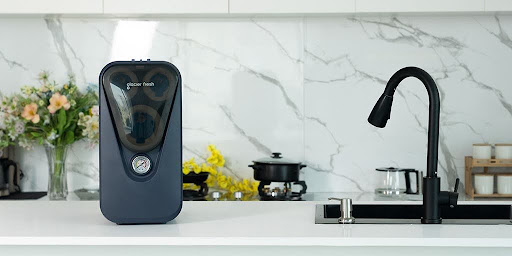
Modern kitchens are increasingly designed around convenience, efficient storage, and practical technology. Homeowners are looking for improvements that make cooking, cleaning, and food preparation easier without creating unnecessary complexity. Water access is an important part of this planning. A ro water filter system can be a useful addition for households that want filtered drinking water directly from the kitchen while reducing their dependence on packaged alternatives. When selected carefully, this type of equipment can complement other functional kitchen upgrades.
Why Reverse Osmosis Is a Popular Kitchen Filtration Choice
A reverse osmosis water filter is designed to reduce many dissolved substances through a semipermeable membrane. Most residential systems combine this technology with preliminary sediment and carbon filtration to support the overall treatment process. These stages perform different functions, helping reduce suspended particles, certain chemicals, and dissolved contaminants. Depending on the system, an additional post-filter may improve the taste of treated water. Homeowners considering this technology should review filtration certifications, production capacity, and replacement requirements to determine whether it matches their household needs.
Designing a Kitchen Around Daily Activities
A well-designed kitchen should support the activities performed most frequently. Preparing breakfast, making coffee, washing vegetables, and cleaning dishes should be straightforward.
One way to improve efficiency is to organize the kitchen according to activity zones. Cooking utensils can be stored near the stove, preparation tools can remain close to the worktop, and frequently used ingredients can be placed within easy reach.
Water access also deserves consideration. Keeping drinking water convenient reduces the need to search for bottled supplies or repeatedly refill large containers from different locations.
Small adjustments to the layout can improve kitchen functionality without requiring a complete renovation.
Choosing Appliances That Save Time
Modern kitchen appliances can simplify several household responsibilities. Dishwashers reduce manual cleaning, food processors speed up preparation, and efficient refrigerators help maintain food storage conditions.
However, homeowners should compare more than appearance when selecting appliances.
Energy consumption, operating noise, repair availability, warranty coverage, and expected lifespan are all important factors.
An appliance that uses less energy and requires fewer repairs may offer better long-term value than a cheaper model with higher operating costs.
Choosing equipment according to actual household needs also prevents unnecessary spending on features that may rarely be used.
Improving Water Access Without Losing Counter Space
Countertop space is valuable, particularly in smaller kitchens. Large water dispensers, pitchers, and filtration appliances can make food preparation more difficult when they occupy frequently used work areas.
Under-sink filtration offers an alternative because the main equipment is installed inside the cabinet. Filtered water can then be delivered through a separate faucet or a compatible plumbing arrangement.
Before purchasing, homeowners should measure the available cabinet space and consider the location of pipes and other installed equipment.
Compact designs may be especially useful in apartments and kitchens where storage space is limited.
Creating an Organized Kitchen Storage System
Storage organization can improve efficiency and reduce everyday frustration.
Frequently used cooking ingredients should be stored in accessible locations, while less commonly used appliances can be placed in higher cabinets or designated storage areas.
Clear containers make it easier to identify pantry supplies. Labeling food products and organizing them by category can also simplify meal preparation.
The cabinet beneath the sink deserves special attention. If filtration equipment is installed there, household cleaning supplies should be stored separately to protect the system from accidental spills.
Maintaining clear access around plumbing connections also makes inspections and cartridge replacement easier.
Making Drinking Water More Convenient for Family Members
A convenient water supply can support better household routines. Family members can fill reusable bottles before leaving for work or school and use filtered water when preparing meals.
A dedicated drinking water faucet provides quick access without requiring the main kitchen faucet to be used for every purpose.
Some filtration systems include storage tanks, while others produce treated water on demand. Both designs have different installation and operating considerations.
Homeowners should compare production capacity, water pressure requirements, and storage arrangements before choosing a model.
Considering Sustainability During Kitchen Renovations
Kitchen improvements provide an opportunity to reduce unnecessary waste and improve resource management.
Reusable bottles and food containers can replace many disposable alternatives. Efficient appliances may reduce electricity consumption, while properly maintained plumbing can prevent water loss.
Homeowners should also compare filtration system efficiency. Reverse osmosis systems discharge wastewater during the treatment process, and the amount varies by design.
Checking the manufacturer’s stated water efficiency ratio helps consumers understand how much wastewater may be produced.
These considerations make it easier to balance convenience with responsible household resource use.
Maintenance Planning for Modern Kitchen Equipment
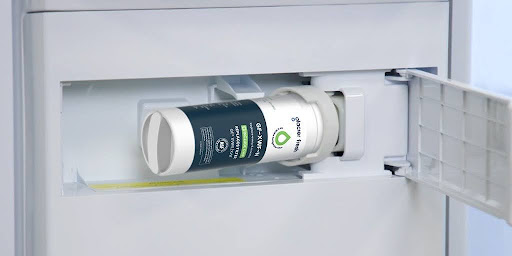
Every kitchen appliance benefits from regular maintenance. Refrigerators require cleaning, dishwashers need periodic inspection, and water filtration equipment needs timely cartridge replacement.
Creating a simple maintenance calendar helps prevent forgotten service tasks.
For filtration systems, record the installation date and follow the recommended replacement schedule for each component.
Check for leaks around fittings and tubing, especially after cartridge replacement. If the system shows persistent pressure or performance problems, consult the manufacturer or a qualified technician.
Conclusion
Smart kitchen improvements focus on making daily activities more convenient while using space and resources efficiently. Under-sink water filtration can complement modern kitchen layouts by providing easy access to filtered drinking water without taking up valuable countertop space. When combined with organized storage, suitable appliances, reusable containers, and regular maintenance, these upgrades can create a more functional kitchen. Homeowners should evaluate their actual needs and compare product specifications carefully before investing in new equipment.



Leave a Reply